Korea enjoys springlike warmth as frost risk and strong seas threaten ports
Springlike weather was evident in much of Korea’s Gangwon Province, with daytime highs above 10 C in much of the Yeongseo region as people browsed flowers at Chuncheon’s traditional market on Saturday.
The Korea Meteorological Administration (KMA) said the forecast for the 14th calls for morning lows of -4 to 4 C and daytime highs of 10 to 15 C.
In major cities, the expected temperatures are: Seoul 3 C / 12 C, Incheon 3 C / 10 C, Suwon 2 C / 12 C, Gangneung 2 C / 12 C, Daejeon 1 C / 14 C, Sejong 0 C / 13 C, Gwangju 1 C / 15 C, Daegu 0 C / 15 C, Ulsan 2 C / 12 C, Busan 4 C / 13 C, and Jeju 6 C / 13 C.
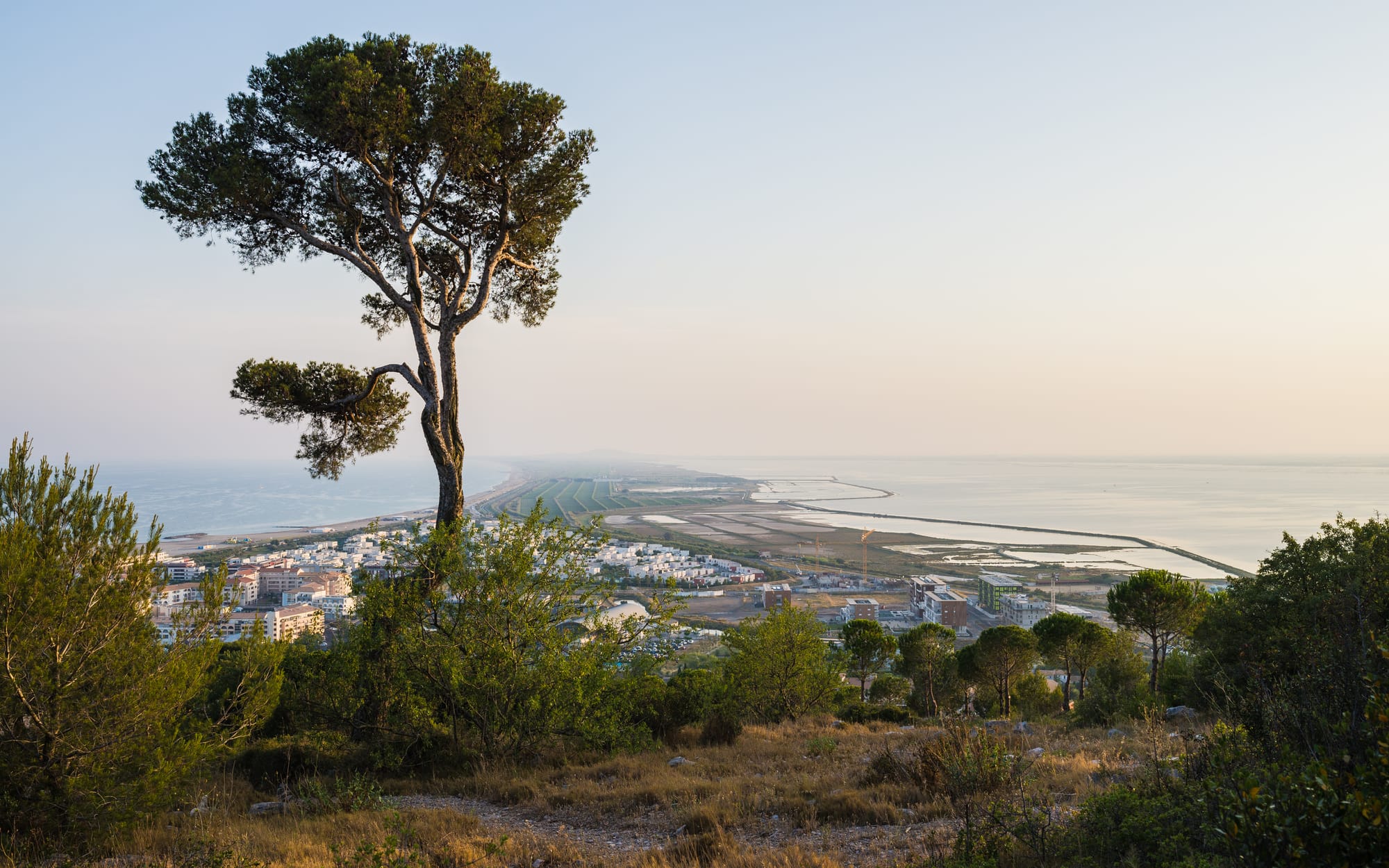
The forecast notes that temperatures will remain broadly in line with Korea’s long-term averages for this time of year, with the typical minimum ranging from -4 to 5 C and the typical maximum from 9 to 14 C.
Nationwide, the forecast calls for mostly cloudy skies, with frost possible in some southern inland areas from dawn to morning.
![Poster for the prèmiere of Claude Debussy and Maurice Maeterlinck's Pelléas et Mélisande at the Théâtre de l'Opéra-Comique on 30 April 1902. Phototype by Berthaud at 31, Rue Bellefond, Paris. 0.860 x 0.620 m.[1]](https://journalkor.site/content/images/2026/03/02_Georges_Rochegrosse_-_Poster_for_the_pr_miere_of_Claude_Debussy_and_Maurice_Maeterlinck_s_Pell_as_et_M_lisande-4.jpg)
Strong winds are expected in several sea areas: 30 to 60 km/h across the central East Sea offshore, the East Sea southern waters, the eastern inner South Sea near Jeju, and related offshore zones through the 14th. Along the East Sea coast and around Jeju, large waves and swells could push water onto beaches and rocky shores, posing coastal-safety risks.
Air quality is forecast to be good to moderate across all regions, with PM2.5 levels in that range.
Why this matters to U.S. readers: Korea is a major hub for electronics, autos and other high-tech manufacturing, and East Asian weather can influence shipping routes, port operations, and supply chains that connect to the United States. Strong winds and high seas near Korea’s coasts can disrupt cargo movements and ferry services, while frost risk and variable spring temperatures can affect agricultural markets and consumer demand. Keeping an eye on Korea’s weather outlook helps firms and policymakers anticipate potential bottlenecks in regional logistics and manufacturing schedules.