Korea to Include Colonoscopy in National Cancer Screening From 2028
Korean medical experts say colon cancer often shows no early symptoms, making regular screening the most reliable way to prevent and treat the disease. Dr. Hong Jong-sam, head of the Health Medicine Center at Gangneung Asan Hospital, emphasizes that relying on symptoms alone can miss cancers that are already advanced by the time they are detected.
Common warning signs can include blood in the stool, a sense of incomplete evacuation, changes in stool width, dark stools, indigestion, fatigue, and abdominal pain. Symptoms can vary depending on where the cancer is located in the colon, with right-sided cancers sometimes causing anemia and abdominal pain, and left-sided cancers more often causing bowel changes or visible bleeding.
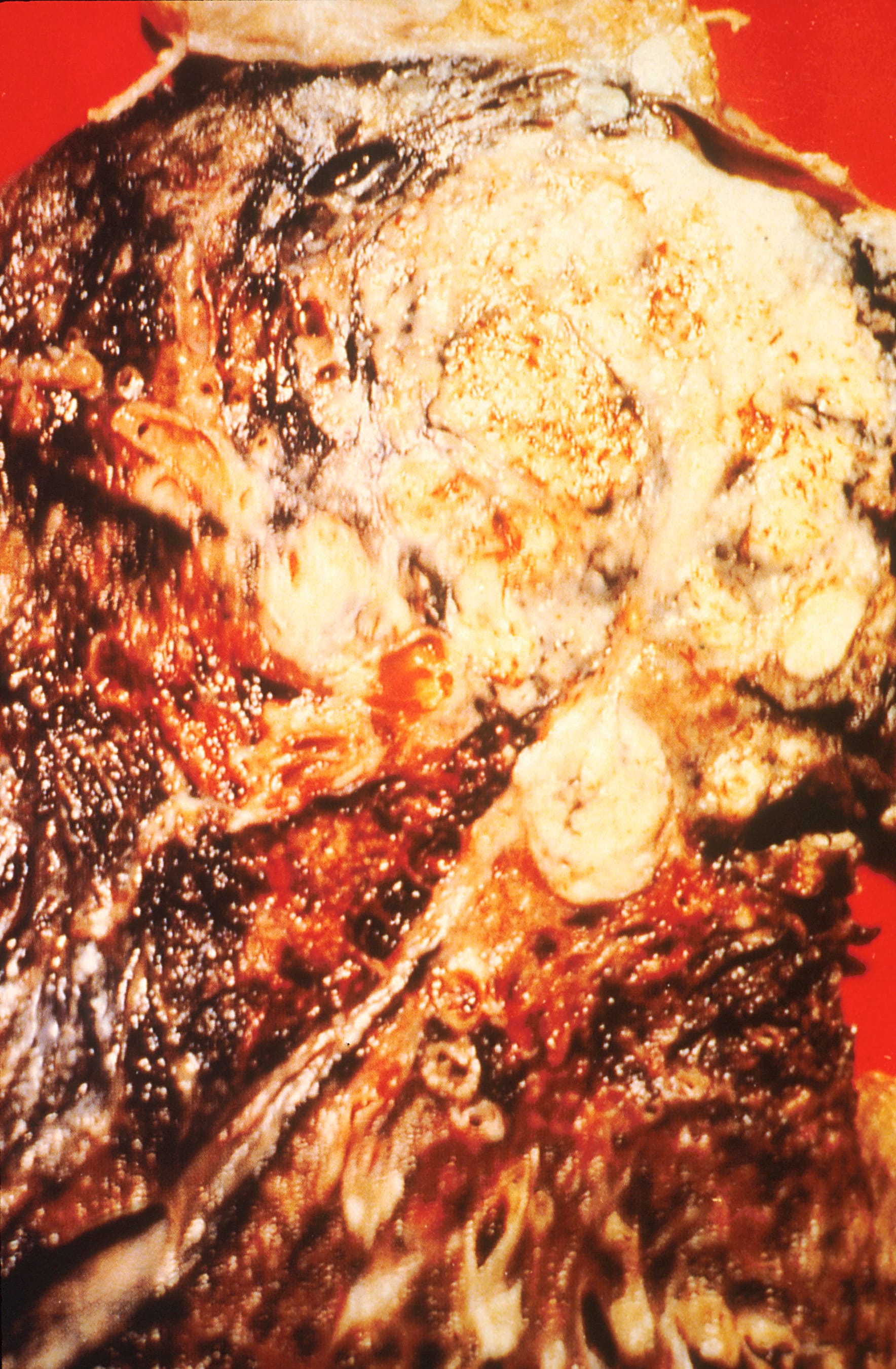
In Korea’s national cancer screening program, adults 50 and older are offered an annual fecal occult blood test to screen for hidden blood in the stool. If the test is positive, individuals are referred to a colonoscopy at a government-designated medical facility. While useful, the fecal test only screens for blood and does not detect all cancer-related issues, underscoring why regular colonoscopy is important for prevention and early detection.
The government plans a major reform to include colonoscopy in the national screening program starting in 2028, reflecting the central role of the colonoscopy procedure in preventing colorectal cancer. Colonoscopy is not only diagnostic but therapeutic, because most colorectal cancers begin as polyps that can be removed during the procedure.
The rationale is clear: more than 95% of colorectal cancers arise from adenomatous polyps. The risk of a polyp becoming cancerous rises with size—less than 1% for polyps under 1 cm, but over 40% for polyps 2 cm or larger. Regular colonoscopy can detect and remove polyps early, potentially reducing cancer risk by as much as 90% in many cases. Early-stage colorectal cancer has strong outcomes, with five-year survival exceeding 90% in many patients, and endoscopic treatments like ESDE (endoscopic mucosal resection) can cure select lesions confined to the mucosa.
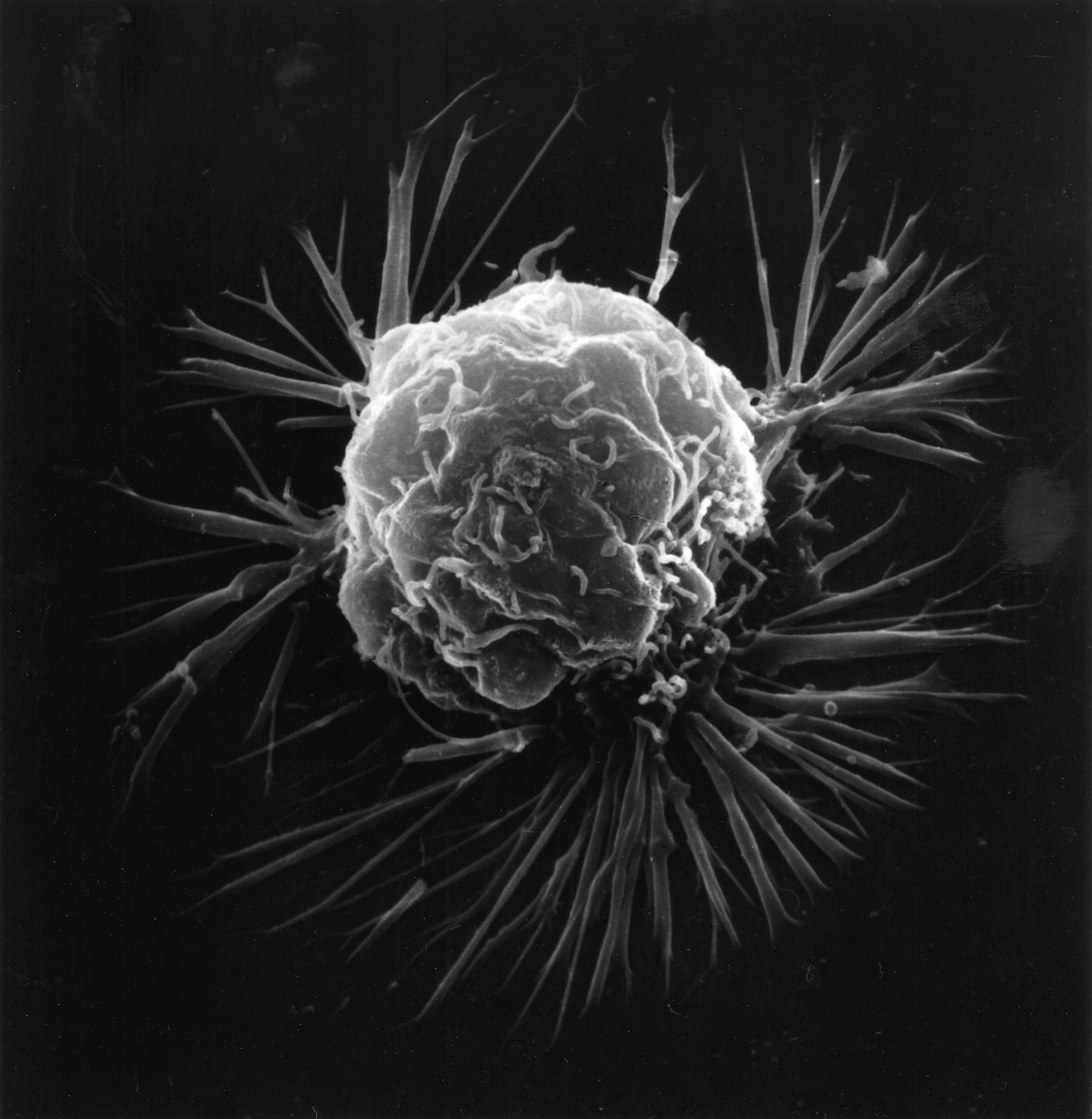
Age and risk factors also matter. Korea has seen rising colorectal cancer incidence among younger adults, with research indicating relatively high rates in people aged 20 to 49 compared with other countries. When risk factors such as family history, obesity, smoking, and alcohol use are present, experts advise considering proactive colonoscopy starting around age 40, even in the absence of symptoms.
Why this matters to U.S. readers: colorectal cancer remains a significant health issue globally, and early detection through regular screening saves lives. The Korean plan to expand colonoscopy in national screening highlights policy decisions that can affect healthcare costs, insurance coverage, and the availability of endoscopy equipment and trained professionals—issues also central to the United States as its own guidelines evolve and as younger-onset cases gain attention. The emphasis on polyp removal as a preventive measure demonstrates how a single procedure can transform outcomes and influence healthcare economics, supply chains, and public health strategies beyond Korea.