Social robots move into homes, clinics, and classrooms, reshaping human-robot relationships
As artificial intelligence and robotics advance at a rapid pace, social robots are moving from factories into homes, clinics, and classrooms. A forthcoming book by science writer Eve Harold examines how these machines are changing human-robot relationships and where that shift might lead.
The book highlights everyday examples, starting with Roomba, the disk-shaped vacuum cleaner. In a study by researchers at Georgia Tech, 379 Roomba users were surveyed about their interactions with the device. More than half assigned it a gender, and about a third gave it a name, with many users treating the robot as if it had a personality and even offering praise for its performance.
Beyond Roomba, the market has seen other social robots gain traction. Pepper, LoweBot, and Jill Watson are cited as examples of machines designed to understand human language, emotion, and expression to support customers, students, and learners. The text notes that their growth reflects a broader trend toward machines positioned as conversational partners rather than mere tools.

In Japan, the line between toy and companion is especially pronounced with AIBO, Sony’s robotic dog. People name and photograph these robots, treating them as members of the family. The book recounts a temple in Japan that hosted joint memorials for hundreds of robot dogs, illustrating how attachment to machines can mimic or substitute for human ritual and mourning.
Paro, a robotic seal used in elder care, is another focal point. In care facilities and with dementia patients, Paro responds to touch and voice and attempts interaction through sounds and movement. Studies referenced in the book suggest such interactions can reduce anxiety and depressive symptoms and improve social engagement among older adults.
Education and therapy also feature prominently. Humanoid robots are used to help children with autism practice emotional expression and social cues. Reported experiments indicate that repeated interactions with robots can enhance social skills in some children, suggesting a potential role for robotics in therapeutic and educational settings.
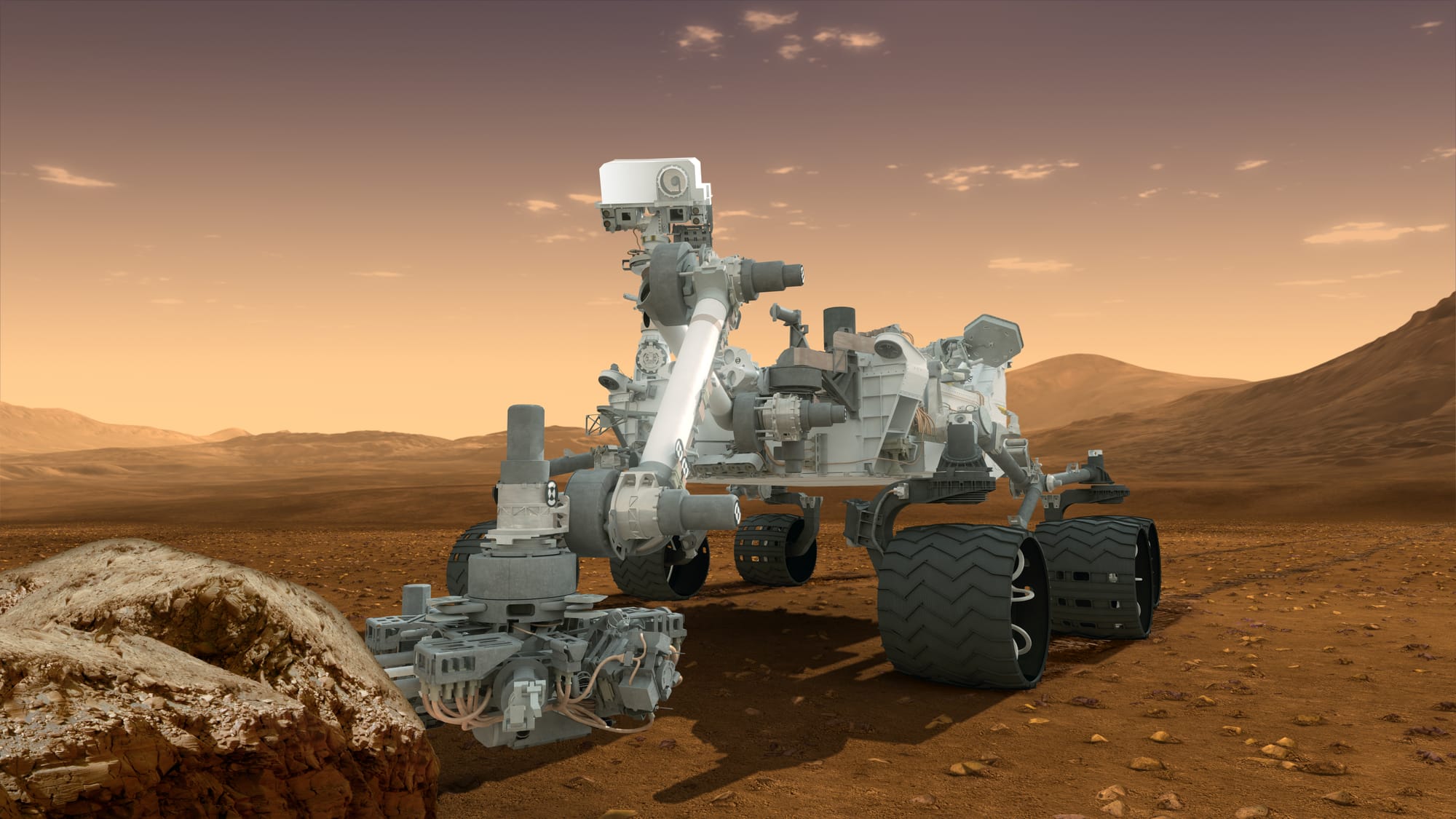
The author argues that robots are increasingly becoming objects of emotional attachment, not just functional aids. People respond to robots with eye contact, voice, and perceived emotion, interpreting these signals as social cues rather than purely mechanical responses. Yet Harold also cautions that this shift raises important questions about human relationships and the possibility that robots could supplement or even supplant human connections.
A central concern is data privacy. Social robots collect information about users’ expressions, movements, and voices, which could be analyzed or monetized by companies or institutions. The book flags the risk that intimate data could become a commercial asset, underscoring the need for governance around how such data are stored and used.
For U.S. readers, the book’s themes carry direct relevance. America faces a growing aging population and a shortage of caregivers, along with ongoing innovation in robotics and AI. If social robots prove useful in elder care, education, or customer service, they could influence labor markets, healthcare delivery, and school adoption. At the same time, privacy and data-ownership questions will shape how, where, and under what rules Americans encounter and deploy these technologies. The book offers a reflective lens on how society might balance the benefits of robotic companionship with the ethical and policy challenges that accompany pervasive sensing and data collection.