South Korea, U.S. Deepen Ties in Washington as Special Act on Investment Passes
South Korea’s Prime Minister Kim Min-seok held a second meeting with U.S. Vice President J.D. Vance on the afternoon of January 12 in Washington, D.C. The talks followed their first meeting in January, and took place at the White House, according to Seoul’s Prime Minister’s Office.
Kim used the session to present South Korea’s recently passed Special Act on Investment in the United States, describing it as a core instrument for implementing a bilateral investment agreement. He said the law would support U.S. manufacturing revival and job creation, and lay a broad foundation for enhanced Korea–U.S. relations.
The prime minister also highlighted that, under the framework of the bilateral Joint Fact Sheet, the new law would help advance security-related accords in areas such as nuclear-powered submarines, nuclear power, and shipbuilding, urging swift progress on those security commitments.
Vance welcomed the passage of the Special Act, noting that it provides a legal basis to implement the investment agreement, and he proposed ongoing bilateral communication on investment matters. He underscored the value of continued dialogue on the two countries’ economic ties.
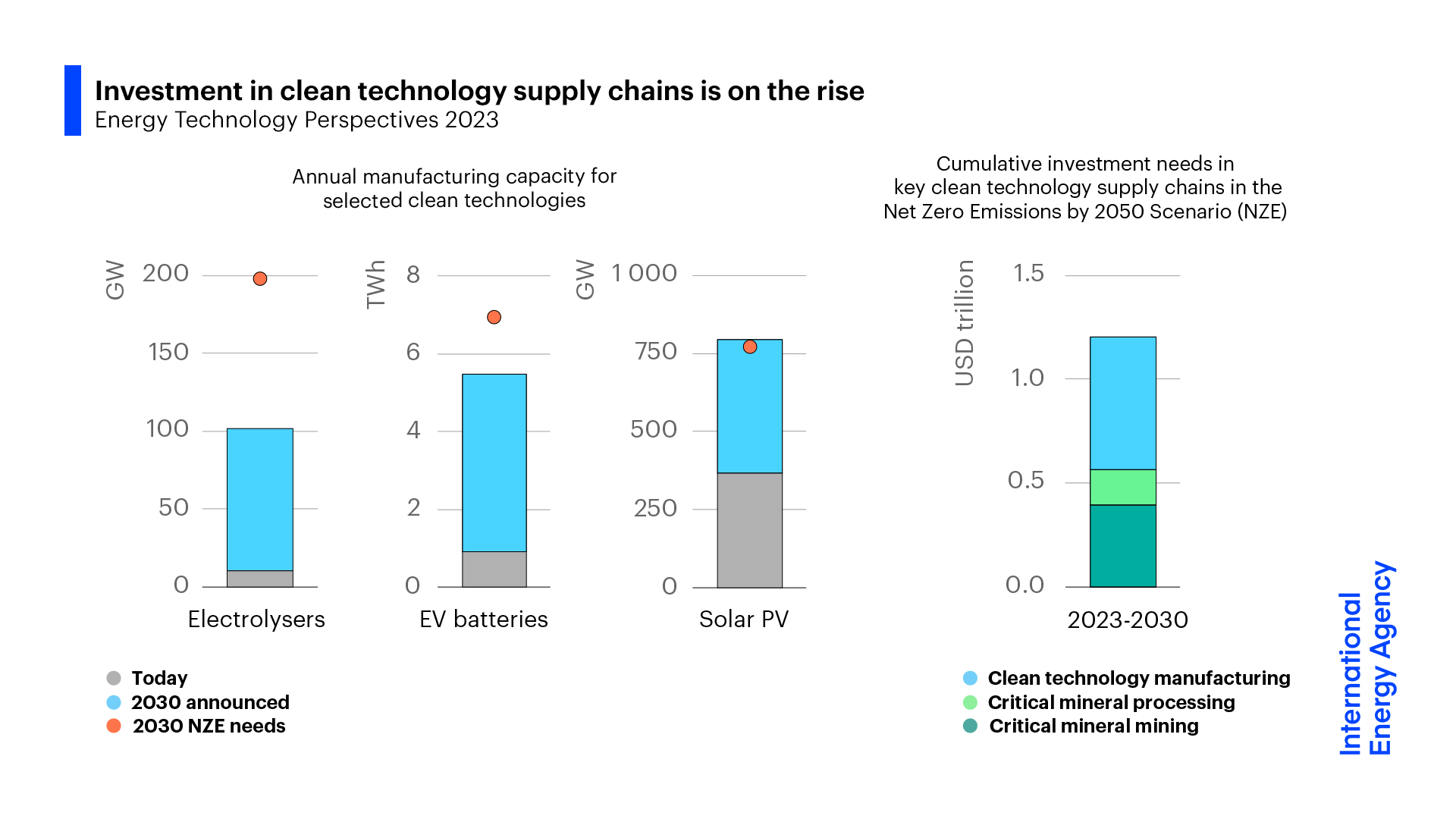
Kim and Vance also discussed cooperation in critical minerals and the Korean government’s receptive stance to a U.S. company’s export-control requests. Vance praised Korea’s responses and suggested maintaining communication on other non-tariff barriers to smooth trade and investment flows.
The two leaders touched on issues previously raised by Vance in January, including Coupang, a major Korean e-commerce firm, and religious matters. Kim said these issues have since been managed stably, and Vance expressed appreciation for Korea’s respect for U.S. concerns and its willingness to stay engaged.
Beyond bilateral economic ties, Kim and Vance exchanged views on Korean peninsula issues, reaffirming that the door to dialogue with North Korea remains open and agreeing to maintain close communication between their governments as circumstances evolve.
Why this matters for the United States: the meeting signals strong momentum in the U.S.–Korean alliance on both economics and security. The Special Act on Investment aims to streamline and protect investment flows, potentially affecting U.S. investors and manufacturing supply chains tied to Korea’s high-tech sectors, including defense-related industries and critical minerals. The discussions on export controls and non-tariff barriers touch on a shared concern for resilient, diversified supply chains in a tech-driven economy, an issue central to U.S. policy as Washington seeks to balance competition with Korea’s advanced industries and regional security commitments.