South Korea's PM Holds Unscheduled White House Meeting With Trump On North Korea
South Korea’s Prime Minister Kim Min-seok met with then-U.S. President Donald Trump at the White House on an unscheduled visit on the 13th local time. The encounter unfolded as Washington and Seoul monitor the prospects for North Korea-U.S. diplomacy, with Trump signaling interest ahead of a planned trip to China later this month to see President Xi Jinping.
Kim told reporters at the Korea Culture Center Washington, D.C., that the meeting touched on whether Kim Jong-un is seeking dialogue with the United States and with Trump personally. He described the discussion as centered on North Korea’s current situation and potential paths for engagement, and said he would brief South Korea’s president on the substance first before sharing details publicly.
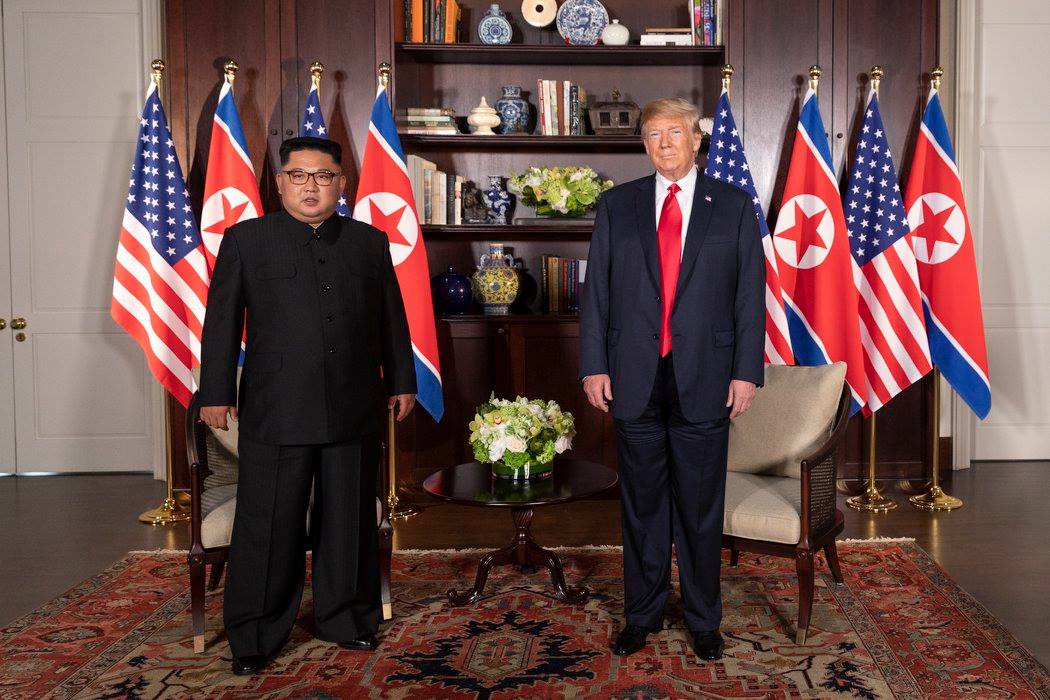
During the briefing, Trump reportedly recalled a 2019 photo from the Inter-Korean summit at Panmunjom and asserted that he maintains a good relationship with Kim Jong-un. Kim said Trump had emphasized his past interactions with Kim and conveyed confidence that Trump is the “peace maker” with a unique capability to address the peninsula issue, framing Trump as the only Western leader who has directly engaged Kim.
Kim said he told Trump that there are questions about Kim Jong-un’s willingness to talk, and he offered a few considerations on how to move relations forward, including what measures might be appropriate. He also noted that he would report back to South Korea’s president before sharing specifics publicly.
Trump’s reaction, Kim added, was positive. The president instructed his aides to pursue several follow-up steps and to assess additional factors related to North Korea, though Kim did not specify which actions were requested. The prime minister said the discussion included concrete questions about the best way to advance North Korea policy.
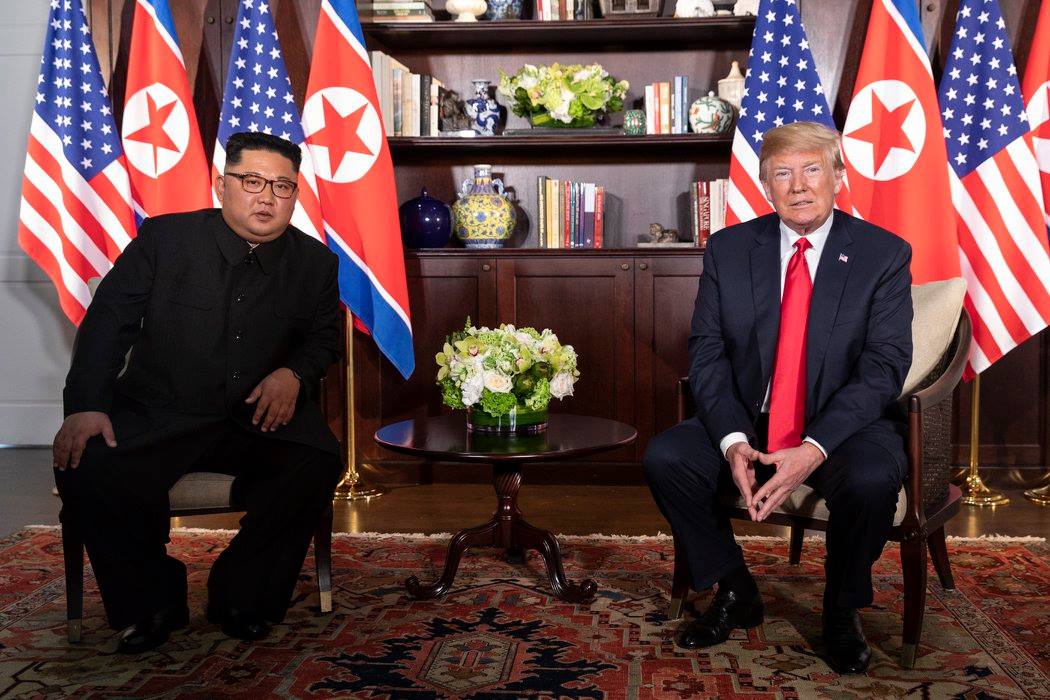
The prime minister also described the overall mood as not unfriendly. He cited Ambassador Kang Kyung-wha’s remark that his ideas were “smart” and noted that Trump asked how broad the prime minister’s authority is. The meeting concluded with a photo, described as taking place in relatively cordial terms.
Kim also explained that the unplanned meeting came together after he initially went to the White House Faith Advisory Office led by Paula White to arrange a separate matter. He said the sit-down occurred adjacent to the president’s office, lasting about 20 minutes, with attendees reportedly including Pete Hegseth, identified as a U.S. defense official, and Dan Kane, the chairman of the Joint Chiefs of Staff. The session followed a separate Iran-related meeting, and Kim began by quoting a line often attributed to a Korean leader that Trump is the only one who can resolve the peninsula issue, a point Trump reportedly urged to be repeated.
Why this matters for the United States: the exchange signals continued U.S.-Korean high-level attention to North Korea diplomacy amid broader regional dynamics, including China’s leadership role and the possibility of upcoming talks. For U.S. interests, the episode underscores how Washington and Seoul may coordinate on deterrence, sanctions, and diplomacy, with potential implications for regional security, supply chains, and global markets tied to stability on the Korean Peninsula. It also reflects how U.S.-Korea alliance diplomacy can intersect with U.S.-China strategic calculations during major meetings in Washington and Beijing.