South Korea's gasoline price cap lowers pump prices, narrows diesel gap
On the afternoon of the 13th, the first day of South Korea’s gasoline price ceiling policy, drivers in Busan queued at a Haeundae district gas station as the cheapest gasoline in the area was priced at 1,757 won per liter, according to Yonhap News Agency.
The policy’s second day on the 14th saw the nationwide average price for regular gasoline at 1,851.9 won per liter as of 9 a.m., down 12.2 won from the previous day. Diesel stood at 1,856.1 won per liter, down 16.6 won. While diesel remained pricier than gasoline, the gap between the two narrowed.
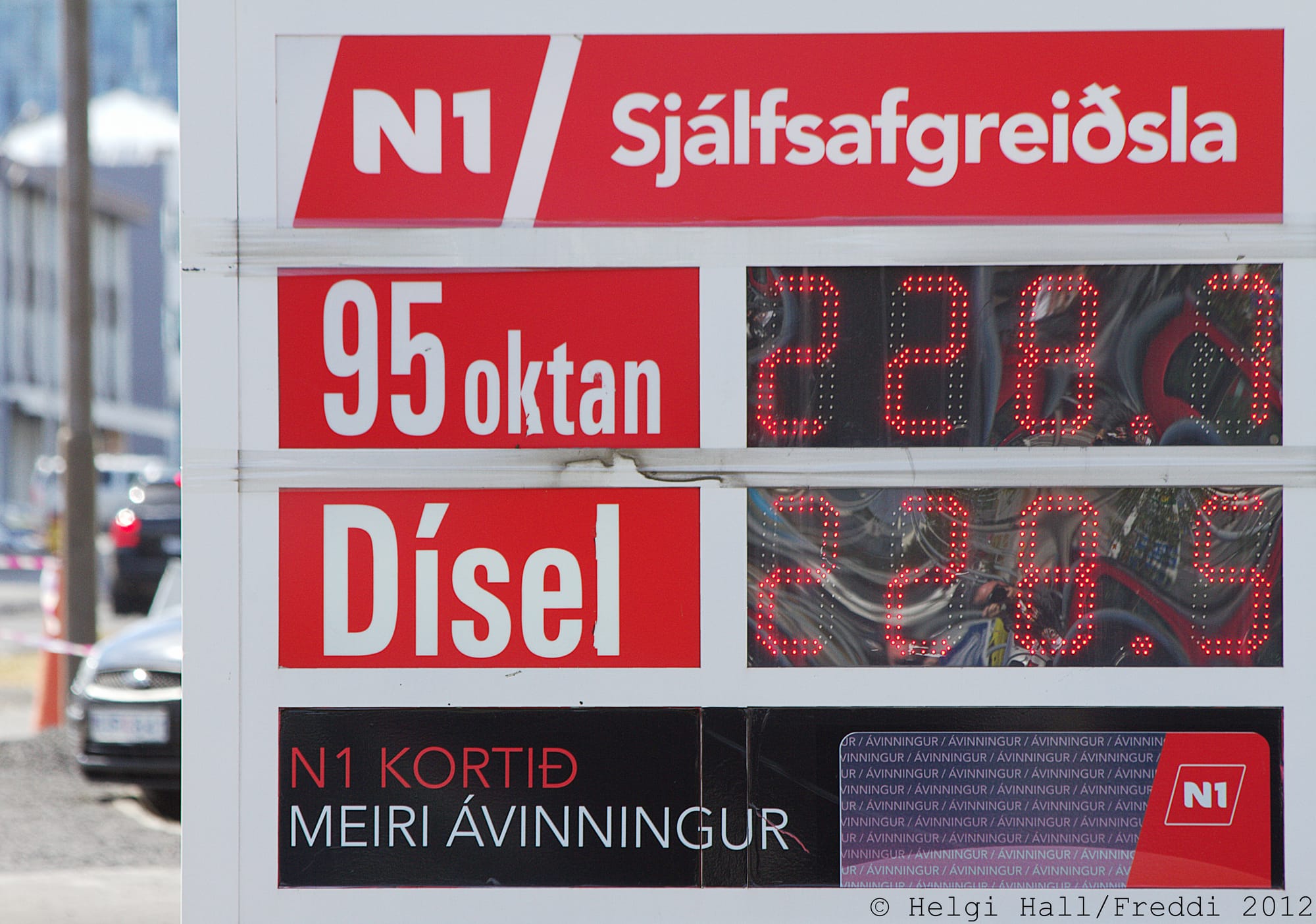
Officials attributed the narrowing gap to the way the price ceiling is structured, noting that the supply-price ceiling for diesel was set lower than for gasoline, which helped diesel prices fall more quickly.
In Seoul, often the most expensive city for fuel in the country, the average price for gasoline fell to 1,871.1 won per liter (down 16.5 won), and the average diesel price dropped to 1,863.1 won (down 16.2 won).
Domestic pump prices had peaked on the 10th after tensions between the United States and Iran, and have since retreated. International markets, meanwhile, saw prices rise this week due to continued concerns over potential disruption of the Hormuz Strait and ongoing Middle East oil production cuts, though gains were tempered by the IEA’s decision to release strategic petroleum reserves.
Dubai crude, the benchmark for South Korea’s oil imports, rose to 123.5 dollars per barrel, up 34.6 dollars from the previous week. International gasoline prices were quoted at 126.3 dollars per barrel, up 25.3 dollars, while international diesel climbed to 176.5 dollars per barrel, up 37.5 dollars.
Data cited come from Korea National Oil Corporation’s Opinet price information system. The changes in Korea’s fuel prices and the movements in global oil markets matter for U.S. readers because South Korea is a major oil importer and a key U.S. ally in Asia. Shifts in Korean pump prices reflect broader commodity volatility that can influence inflation, energy security discussions, and supply-chain costs affecting American businesses and consumers tied to Asia-Pacific markets.