South Korea Enforces Nationwide Oil Price Ceiling to Stabilize Fuel Costs

South Korea has begun enforcing a nationwide oil price ceiling policy, taking effect from midnight on the 13th. President Lee Jae-myung announced on X that “from today we will fully implement the oil price ceiling” to help stabilize domestic fuel costs amid unsettled international markets. He asked citizens to report any service station that exploits the situation or reaps unfair profits.

The government’s price ceiling caps the per-liter supply price charged by refiners to retailers: gasoline at 1,724 won, diesel at 1,713 won, and kerosene at 1,320 won. Officials said the caps will be reviewed and adjusted every two weeks in response to global market conditions and domestic supply conditions.
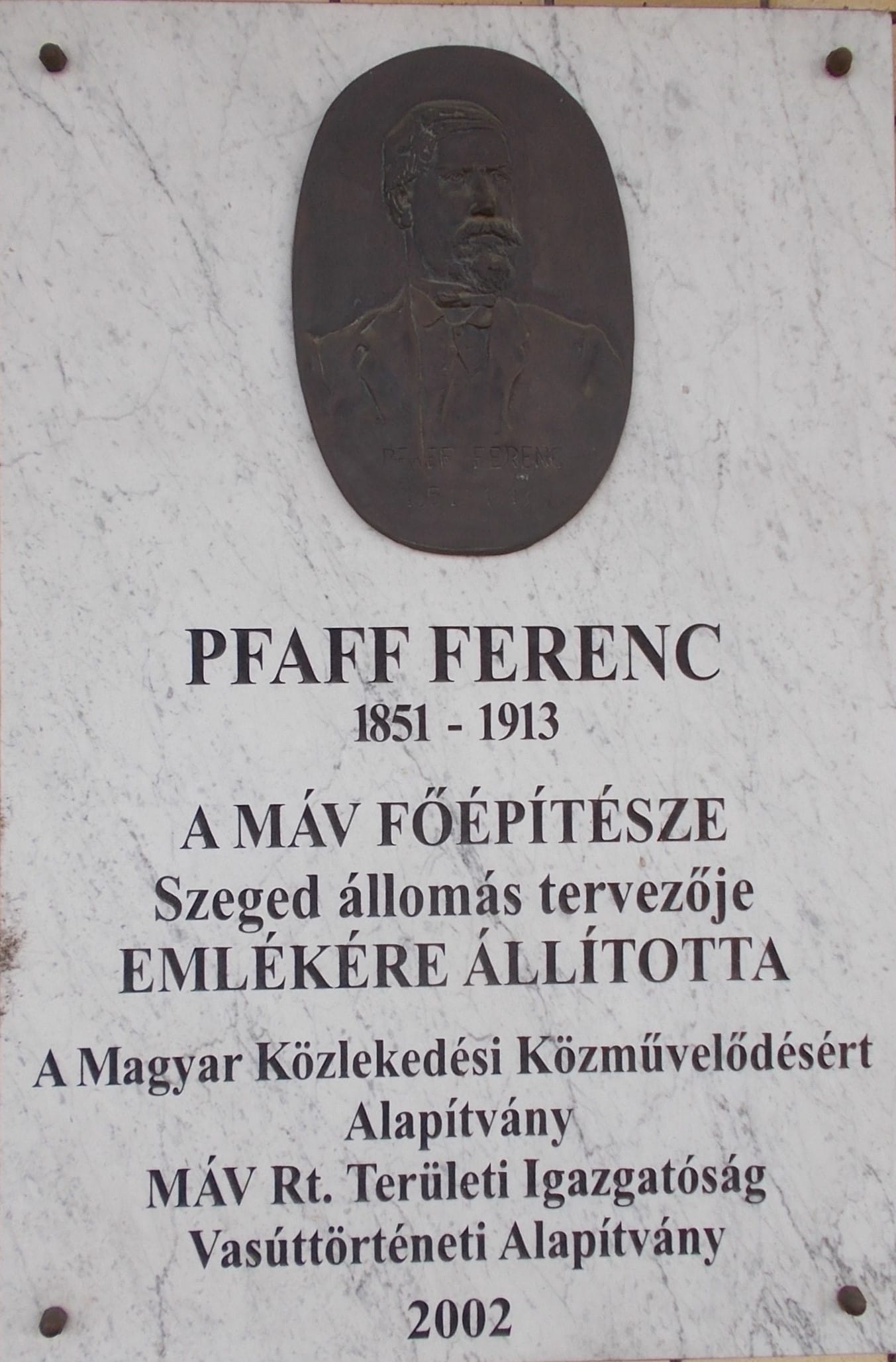
Railway station, main building. Plaques on trackside facade: ICOMOS award relief memorial plaque inscription: "For the exemplary careful restoration of the building, MÁV Zrt. won the Icomos 2008 Award awarded by the Kulturákis Heritage Office//Investor MÁV ZRt Property Management Directorate. /Designer: Hajós Architects Ltd./Contractor: Délépítő-Ornament Consortium' - Railway transport memorial plaque (installed March 4, 2004, 150th anniversary, artwork by András Lapis, bronze, limestone, 120x100 cm) inscription: Railway transport to Szeged started on March 4, 1854. Hungary railway network in 1854./Installed  by the Municipality of Szeged, MÁV RT. and the Railway History Foundation - Holocaust memorial plaque (installed 2004, by Sándor Sebestyén) reads: 'Blessed is the memory of the martyrs! It was placed by the Hungarian Evangelical Fellowship and the John Wesley Pastoral Training College on the 60th anniversary of the Holocaust in 2004. The establishment of the memorial was supported by the Freight Transport Department of MÁV.' bronze relief depicts a detail of a cattle wagon. The material of the slab is black granite (50x50 cm)"On June 25, 1944, the first train left Szeged for Auschwitz. More than 3,000 Hungarian citizens classified as Jews were squeezed into the wagons. Only a few returned home from the Nazi concentration camp." - World War II, memorial plaque for the bombings in Szeged (installed December 5, 1997, creators: Mihály Fritz, (coat of arms of Szeged), András Lapis (MÁV symbol) András Tóth (symbol of civil protection)), inscription: "In memory of the victims of the bombings in Szeged during World War II and on the occasion of the 60th anniversary of the establishment of the Air Protection League //General Assembly of the City of Szeged with County Rank, Regional Directorate of MÁV Rt. Szeged, Csongrád County Civil Protection Association. Szeged, 5 December 1997." -  Ferenc Pfaff memorial plaque (Erected 2002, by sculptor Kálmán Veres) inscription: Ferenc Pfaff (1851-1913)// erected in memory of the chief architect of MÁV, designer of Szeged station//Foundation for Hungarian Transport Public Education, MÁV Rt. Regional Directorate, Railway History Foundation. -  II. Ferenc Rákóczi memorial plaque (Erected December 22, 1996, copy of Béla Löffler's 1938 work) Text of the plaque: Rodostó-1906-Košice//Erected by the City of Szeged and MÁV Rt. to commemorate the passage of the prince's ashes through Szeged and Kiskundorozsma.' "Košice sculptor Károly Löffler made the original relief in 1938. It is on the northern wall of Košice Cathedral, above the Rákóczi Crypt, and another copy of it is at the entrance of the Rákóczi Memorial House in Rhodošto." - Inside: Bacchant Feast oil on canvas ceiling panno. Inauguration after renovation: 2006, made: 1902, by Ödön Kacziány, On the ceiling fresco of the restaurant we can see a mythological scene, Bacchalania, in the middle a half-naked dancing Bacchantes, surrounded by figures drinking, dancing and playing music. - Indóház Square, Alsóváros (Lower Town) neighborough, Szeged, Csongrád-Csanád County, Hungary.
Representative image for context; not directly related to the specific event in this article. License: CC BY-SA 4.0. Source: Wikimedia Commons.

President Lee also posted a map of the Siheung area in Gyeonggi Province showing gasoline prices ranging from the 1,700s to the 1,900s won per liter, prompting him to question whether fuel prices are stabilizing and to reiterate the call for reporting profiteering.

The policy appears to be having an immediate effect on prices. Korea Petroleum Quality & Safety Authority’s energy price information service, OPINET, reported that as of 2 a.m., the nationwide average price for gasoline fell by 5.5 won from the previous day to 1,893.3 won per liter, while the Seoul average dropped by 8.1 won to 1,918.9 won per liter.

This move marks a significant intervention in the domestic fuel market aimed at dampening price volatility driven by international energy markets and supply disruptions. Officials say the caps will be adjusted to reflect evolving conditions every two weeks.
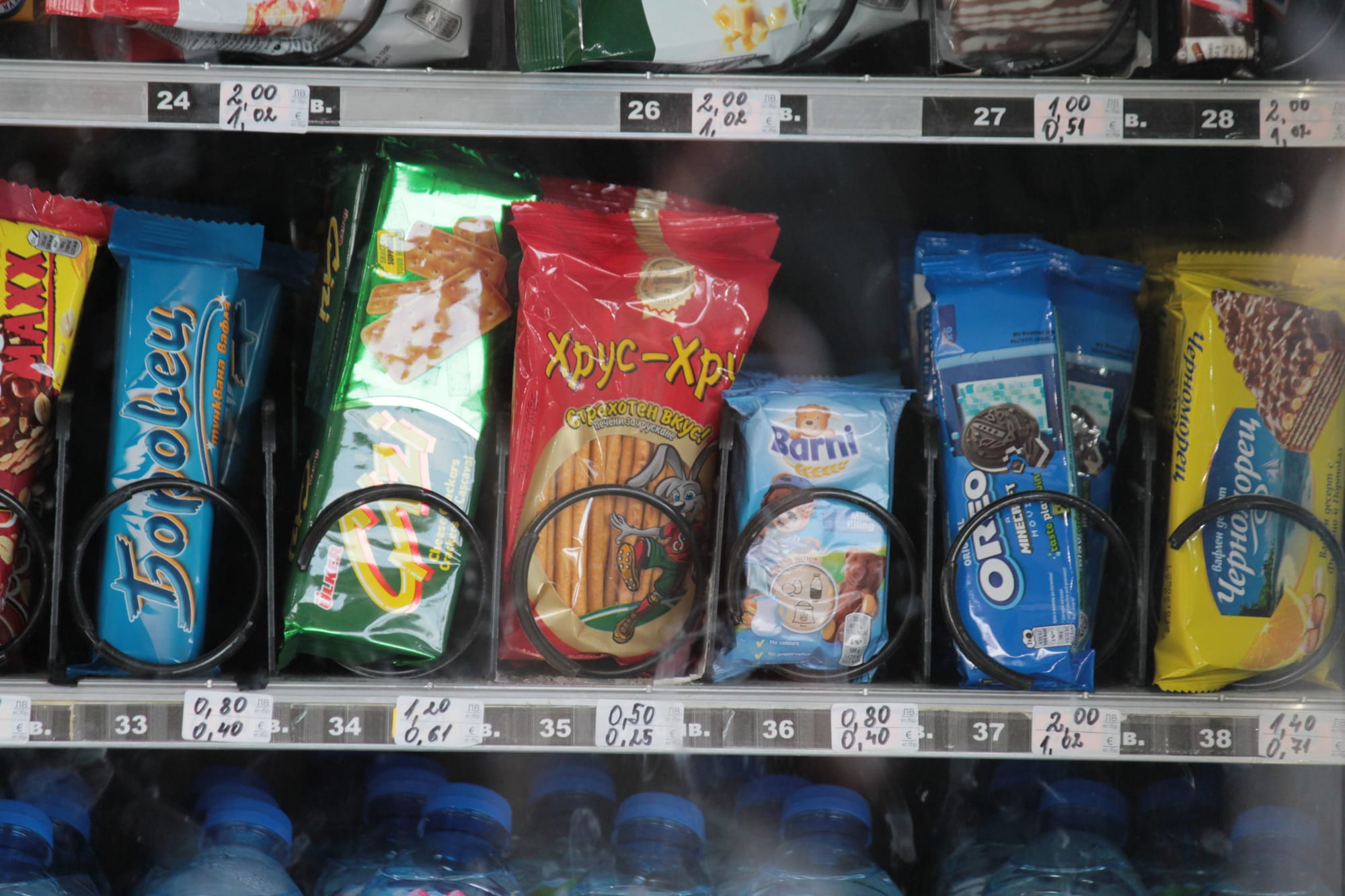
Products with labels displaying prices in both Euros and Levs before Bulgaria's entrance into the Eurozone.
Representative image for context; not directly related to the specific event in this article. License: CC BY 4.0. Source: Wikimedia Commons.

For U.S. readers, the policy matters because South Korea is a major importer of crude and refined oil products, and its domestic energy costs influence inflation, consumer spending, and the operating environment for industries tied to U.S.-Korean supply chains. A stabilization tool like this can affect energy prices and business planning across sectors including electronics, autos, logistics, and manufacturing that rely on stable energy costs.

Context for non-Korean readers: the oil price ceiling is an intervention that restricts how much refiners can charge retailers for gasoline, diesel, and kerosene. OPINET provides publicly accessible price data used to monitor domestic fuel markets, while the Siheung price snapshot illustrates regional price variation that policymakers track when issuing caps.

Subscribe to Journal of Korea

Don’t miss out on the latest issues. Sign up now to get access to the library of members-only issues.
jamie@example.com
Subscribe