Iran warns of retaliation, threatening to strike energy facilities owned by U.S.-aligned firms
Iran signaled possible retaliation after a U.S. airstrike, warning that it could strike energy facilities belonging to companies cooperating with the United States. A statement attributed to Iran’s Hatam Ananoviyya Central Command, reported by the Guardian, said that if Iran’s oil and energy infrastructure are attacked, the command would destroy energy facilities in the possession of U.S.-aligned firms.
The warning followed President Donald Trump’s claim on Truth Social that U.S. forces had destroyed all military targets on Kharg Island, Iran’s key crude export hub, while saying oil infrastructure would not be targeted “out of dignity.” The assertions underscore the high-stakes theater around Iran’s principal export facility.
Kharg Island is Iran’s main crude-export hub, handling roughly 90 percent of the country’s oil shipments. The facility includes dozens of storage tanks on the southern side, docks extending to accommodate large tankers, worker housing, and an airstrip linking the island to the Iranian mainland. It has long been central to Iran’s war-funding capabilities.
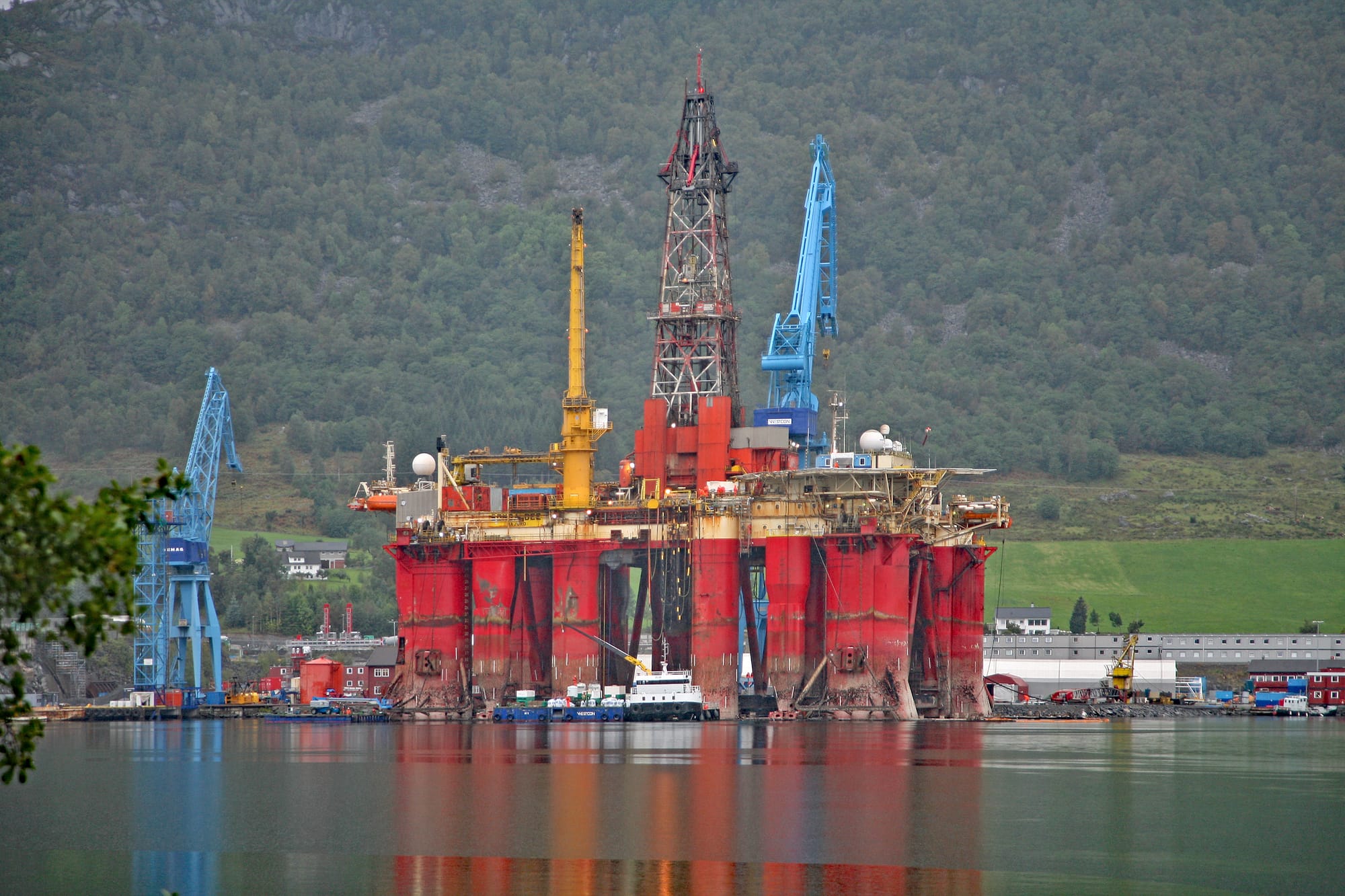
With regional Gulf producers already pausing some exports over security concerns, Iran continued its oil shipments during the ongoing conflict. The scene highlights how Kharg’s operations remain critical even as the broader region faces heightened tensions.
Market observers have been watching whether the recent strikes inflicted damage on Kharg’s complex network of pipelines, storage facilities, and terminals. Reuters noted that even small disruptions could worsen an already fragile global oil supply and destabilize markets further.

The developments matter far beyond Korea because disruptions at Kharg could influence global energy prices, supply chains, and security calculations for the United States and its allies. A sharp move in oil prices or revised risk assessments could affect U.S. energy policy, inflation, and the economics of transportation and manufacturing.
For non-Korean readers, Kharg Island sits in the Persian Gulf and serves as Iran’s principal crude-export facility. Its vulnerability or resilience has implications for global energy security, particularly given Iran’s leverage over oil flows in a region long critical to global markets.
The evolving standoff adds to the risk premium around the Strait of Hormuz, a chokepoint through which a significant share of the world’s oil passes. Analysts say the situation could shape market expectations and influence energy-security planning in Washington as well as in European and Asian capitals.