Israel escalates cross-border operation in Lebanon, pressures Hezbollah to disarm.
Israel has stepped up its cross-border operation aimed at pressuring Hezbollah to disarm, with its forces moving into southern Lebanon and intensifying airstrikes on key targets. The military said it struck the Zrariyeh Bridge over the Litani River, a crossing it described as used by Hezbollah fighters, although it provided no public evidence to back that claim. The strike marked the first time Israel publicly acknowledged hitting civilian infrastructure in this campaign.
Israeli officials have warned that Hezbollah’s disarmament remains a prerequisite for any broader stability, with Defense Minister Yoav Galant threatening that Lebanon would pay a heavy price in infrastructure and territory until Hezbollah is disarmed. The remarks underscore the widening stakes of the conflict, which Israel views as a direct challenge from Iran-backed armed groups operating along its northern frontier.
In a broader psychological campaign, the Israeli Air Force dropped leaflets over Beirut warning of a “new reality” brought about by the Gaza campaign, while signaling that success there could be replicated in Lebanon. Some leaflets included QR codes linking to WhatsApp and Facebook for tips on reporting Hezbollah activity, signaling a bid to enlist civilian assistance in the conflict.
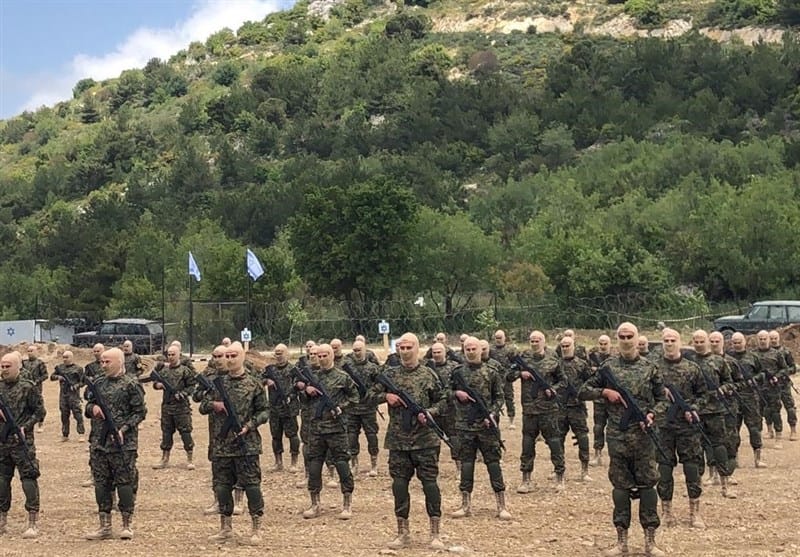
Ground and air raids have extended beyond southern Lebanon to Beirut’s northern outskirts, areas with significant Christian communities, signaling a geographic broadening of Israel’s military pressure. The shifts come as the fighting threatens to pull Lebanon further into a regional confrontation and complicate the country’s already fragile security and political balance.
The humanitarian toll has surged, with around 700 people killed and more than 800,000 displaced by the fighting so far. Lebanon’s interior minister said Beirut’s shelters have been opened, but the city cannot accommodate hundreds of thousands more, leaving many civilians homeless and in dire need of aid and shelter.
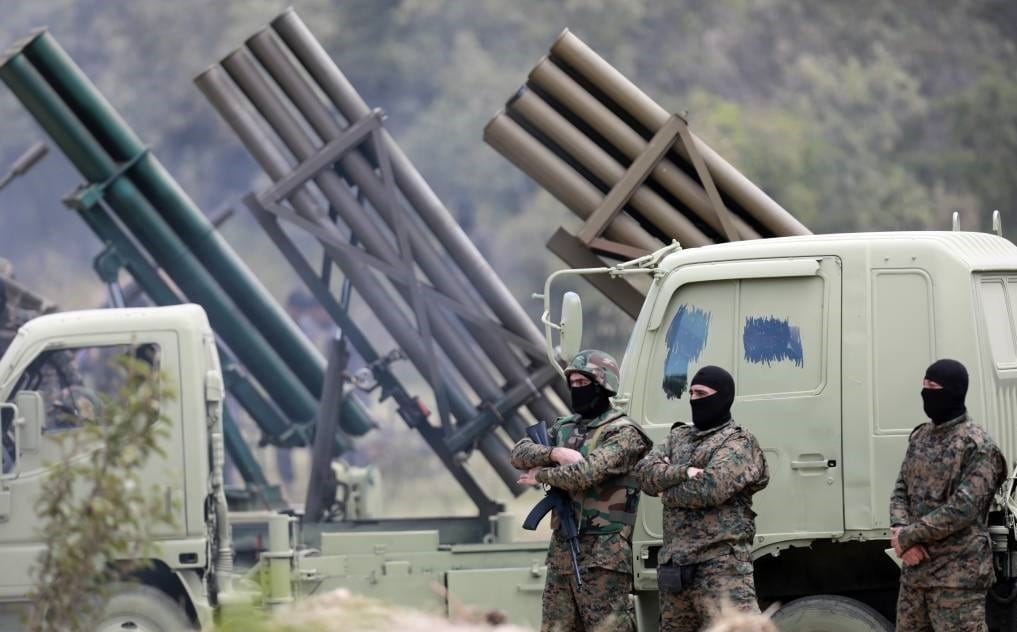
In response to the unfolding crisis, U.N. Secretary-General Antonio Guterres visited Lebanon and appealed to the international community for about $380 million in emergency funding to address the mounting humanitarian disaster. The funding aim is to support displaced people, shelter, food and medical needs amid the escalating violence.
Israel has redeployed infantry toward the northern border and ordered reinforcements, signaling preparedness for a broader, potentially full-scale confrontation. Hezbollah, which has fired hundreds of rockets into Israel in recent days, is backed by Iran and has resisted Israeli calls for disarmament, raising the prospect of a protracted regional clash that could redraw security and economic calculations for the United States and its allies.
For U.S. readers, the developments matter because a widening conflict in Lebanon could affect regional stability, energy markets, and security policy. A broader flare-up risks disruption to Middle East supply routes, potential pressure on global oil prices, and renewed humanitarian crises with spillover effects on international aid, refugee flows, and diplomatic efforts in the region. The situation also intersects with ongoing U.S. concerns about Iran’s influence, allied defense commitments, and the resilience of regional supply chains integral to technology and manufacturing sectors worldwide.