South Korea’s Prime Minister Kim Min-seok meets Trump on North Korea diplomacy
South Korea’s Prime Minister Kim Min-seok met unexpectedly with U.S. President Donald Trump in the White House on March 13, holding a roughly 20-minute discussion focused largely on North Korea. Kim described the conversation as substantially about Pyongyang and the prospects for dialogue with Kim Jong Un.
Kim said Trump asked for his views on North Korea and whether Trump and Kim Jong Un might want to engage in talks. He added that he offered several points, though he did not publicly disclose the concrete proposals. He noted that Trump showed interest in keeping channels open and asked his aides to review his suggestions and consider appropriate steps toward North Korea.
The prime minister also characterized Trump as maintaining a good relationship with Kim Jong Un and as someone who asked whether Kim would like to engage in dialogue. Kim told Trump he believes the North Korea issue is something Trump has shown interest in addressing, and he described Trump as the only Western leader who has held talks with Kim Jong Un, seeing him as a potential peace-maker. Kim did not reveal all details of their proposals, saying Trump found the ideas intriguing.
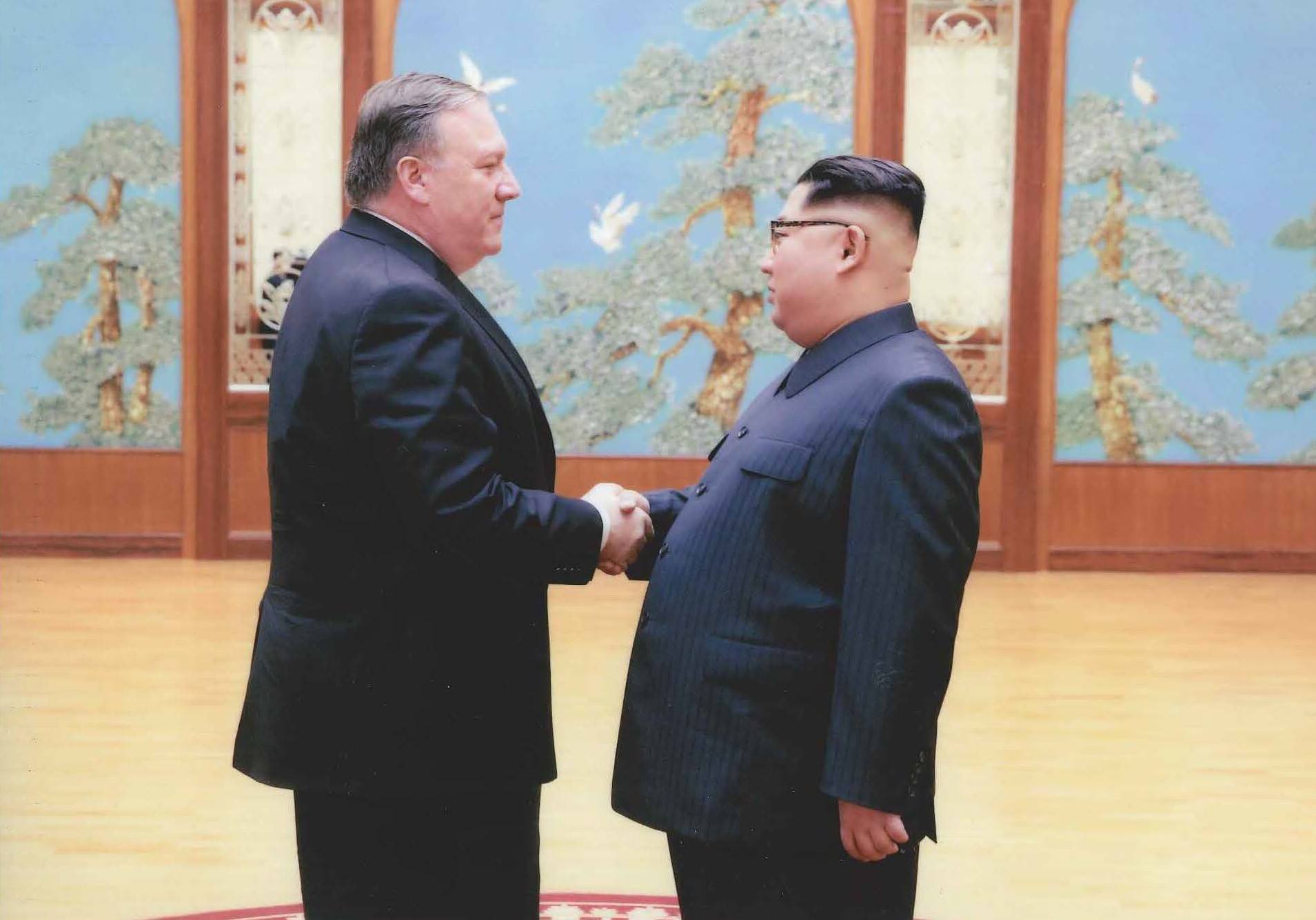
Kim noted that the issue of North Korea’s dialogue is not necessarily tied to timing. Trump suggested the possibility of a meeting around the time of his upcoming China trip, but Kim said the essential point was that talks or further contact should proceed irrespective of any specific schedule.
The day’s discussions included an unplanned Oval Office meeting arranged in part by faith-based outreach adviser Paula White, with South Korea’s Ambassador to the United States, Kang Kyung-wha, present. Kim described that Trump, after the meeting, asked for photos from the Panmunjom moments he had shared with Kim Jong Un and engaged with other senior officials who had just wrapped a separate meeting.
Earlier in the day, Kim met with Vice President JD Vance and Jamieson Greer, the U.S. Trade Representative (USTR) official cited in Korean accounts. They discussed the Section 301 tariff investigation, with Greer reportedly stressing that the probe targets many economies in a broad way rather than Korea specifically, while acknowledging that outcomes could, in some circumstances, be favorable to Korea. Kim said Seoul’s position is to avoid being disadvantaged relative to others and to stay closely coordinated on how to proceed.
Kim reported progress on several issues that had been raised during his January visit to Washington, including the U.S. push on issues tied to Korea’s status under U.S. investment policy, access to Google’s mapping data, critical minerals, the Coupang matter, and concerns about religious freedom. He said those topics had moved forward over roughly 50 days, with high marks from Vice President Vance and other U.S. officials.
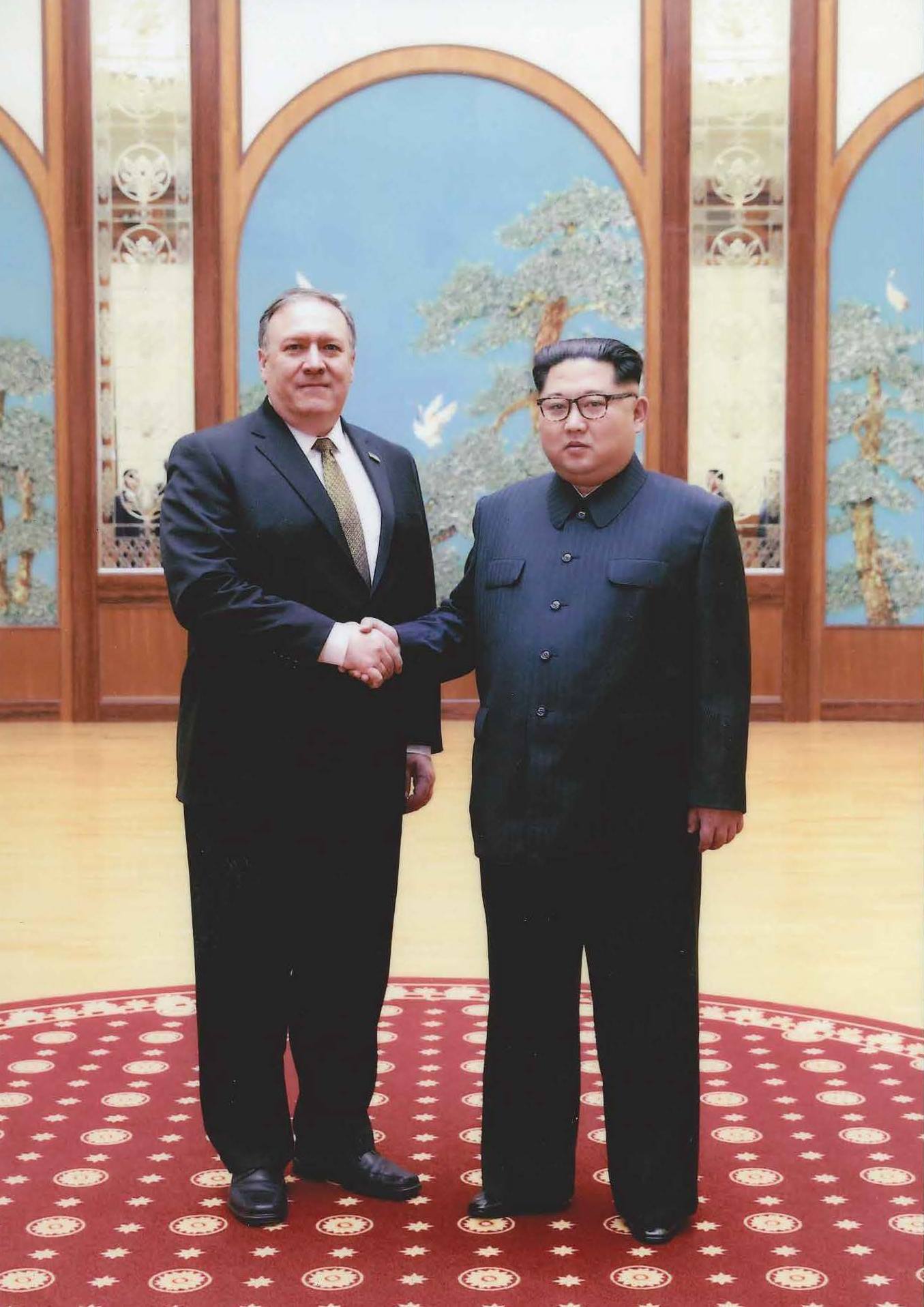
Looking ahead, Kim described talks with Vance and Greer as reflecting a constructive U.S. stance toward closer collaboration on economic and technology issues, including artificial intelligence and biotechnology cooperation, as well as shared discussions on the nuclear and broader U.S.–Korea policy framework. He also noted talks with White House Science and Technology Policy Chief Michael Kratsios and other senior aides about potential joint work in these areas.
Kim said he would draft an English memo summarizing his impressions and forward it to Trump before departing the United States. He briefed South Korea’s Foreign Minister and other officials after the White House meeting, signaling that the talks could lay groundwork for renewed North Korea diplomacy alongside Washington’s broader regional agenda, including a high-profile U.S. approach to China.
Why this matters beyond Korea: For the United States, the exchanges underscore Washington’s reliance on the U.S.–Korea alliance as a channel for regional security and diplomatic leverage on North Korea. They also reflect ongoing, nuanced coordination on trade and technology issues that affect supply chains, including semiconductor and AI-related cooperation, and on how Washington and Seoul navigate global tariff and investment frameworks. The discussions come as Washington weighs its posture toward Pyongyang in the broader context of Asia-Pacific security and U.S. economic interests connected to Korea’s dynamic tech sector and key minerals supply.