Cheongryeongpo: Joseon King Danjong's Exile Site Attracts Global Visitors
Cheongryeongpo in Yeongwol, Gangwon Province, is a historic exile site tied to Joseon Dynasty history, best known for being the place where King Danjong lived in confinement. The site has gained renewed attention through the film The King and the Man Who Lives, which intertwines its atmosphere with the king’s remembered fate.
Geographically, Cheongryeongpo sits amid a dramatic natural setting. It is ringed on three sides by the Seogang River and backed by the rugged Six-Boulder Bluff, earning descriptions of a natural prison that shaped Danjong’s exile. Visitors reach the spot by boat; from the pier, the crossing to the island-like area takes about two minutes.
Entering the forested area, visitors encounter Danjong’s lodging site, known as Danjongeoso. The site includes markers such as the Danjong Tomb Remains Monument and the Forbidden Marker Stone, reflecting restrictions on common people’s access during the king’s exile. The Danjongeoso was destroyed over time and restored in 1996 based on the Annals of the Joseon Dynasty records.
Within the grove, a wax figure represents Danjong at the Danjongeoso. The nearby Eomheungdo Pine, nicknamed the “Eomheungdo Pine,” and the Guanum Tree, designated as Natural Monument No. 349, anchor the site’s sense of history. The Guanum Tree is believed to be about 600 years old and is linked to stories of Danjong’s sadness as he looked toward the capital after his demotion.
A short deck path from the Guanum Tree leads to Manghyang Tower, a quiet monument associated with the king’s longing for his wife, Queen Queen Shin. The combination of a timeless river, a dense pine forest, and historical memory gives Cheongryeongpo a distinctive, contemplative atmosphere.
Cheongryeongpo’s forest was designated by the Korea Forest Service as a “thousand-year forest” in 2004, underscoring long-term preservation and the site’s significance as a living landscape that frames Korean history for visitors.
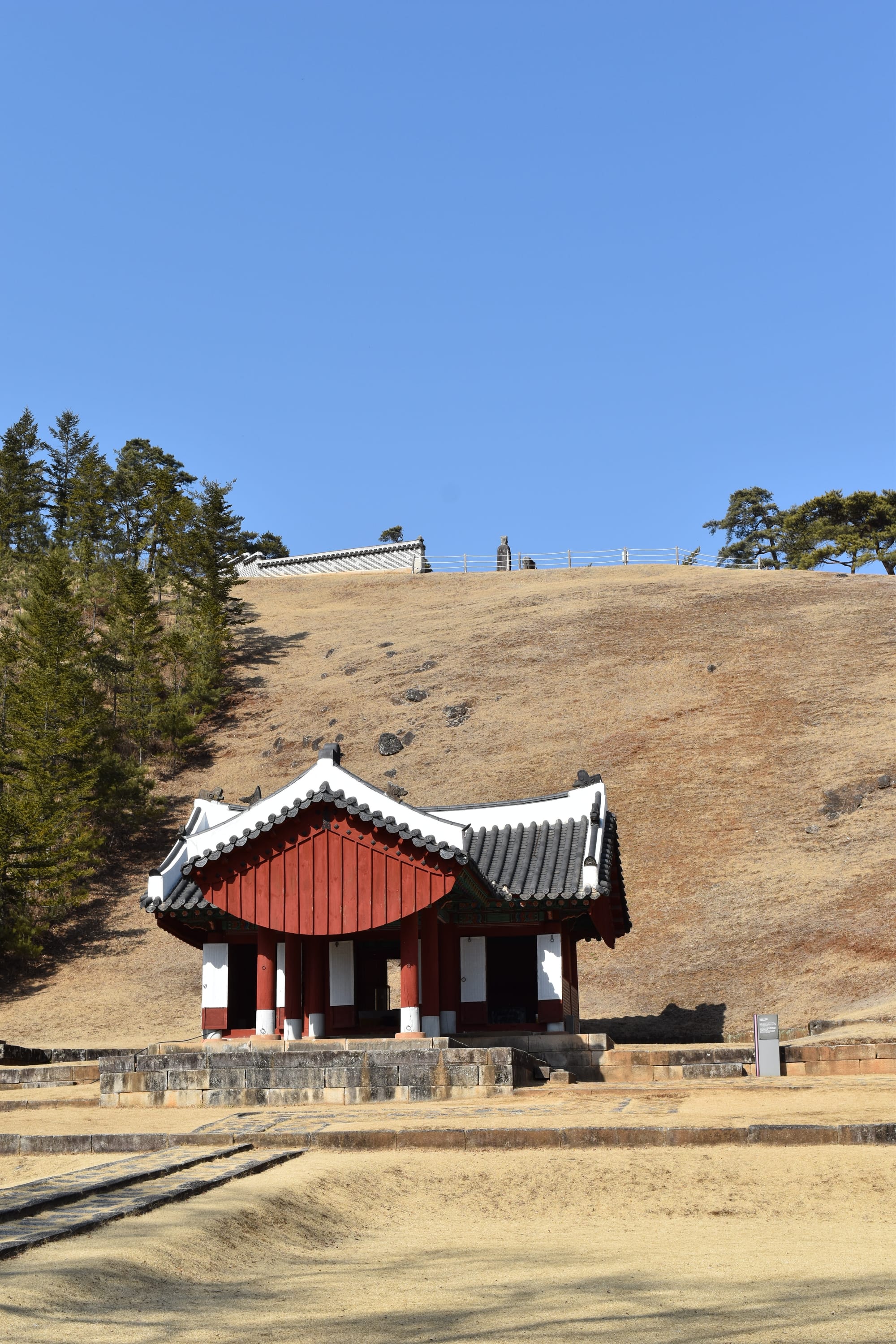
Nearby, visitors can also learn about 268 ministers who died for Danjong at the Jangpanok, which houses their memorial tablets, and the Jeongnyeonggak, a shrine honoring Eom Heung-do’s loyalty. A descendant of Eom Heung-do, guide Eom Young-im, has led tours since 2009 and notes that interest surged after the film’s release, with visitor numbers rising about tenfold and guided-tour bookings up roughly threefold.
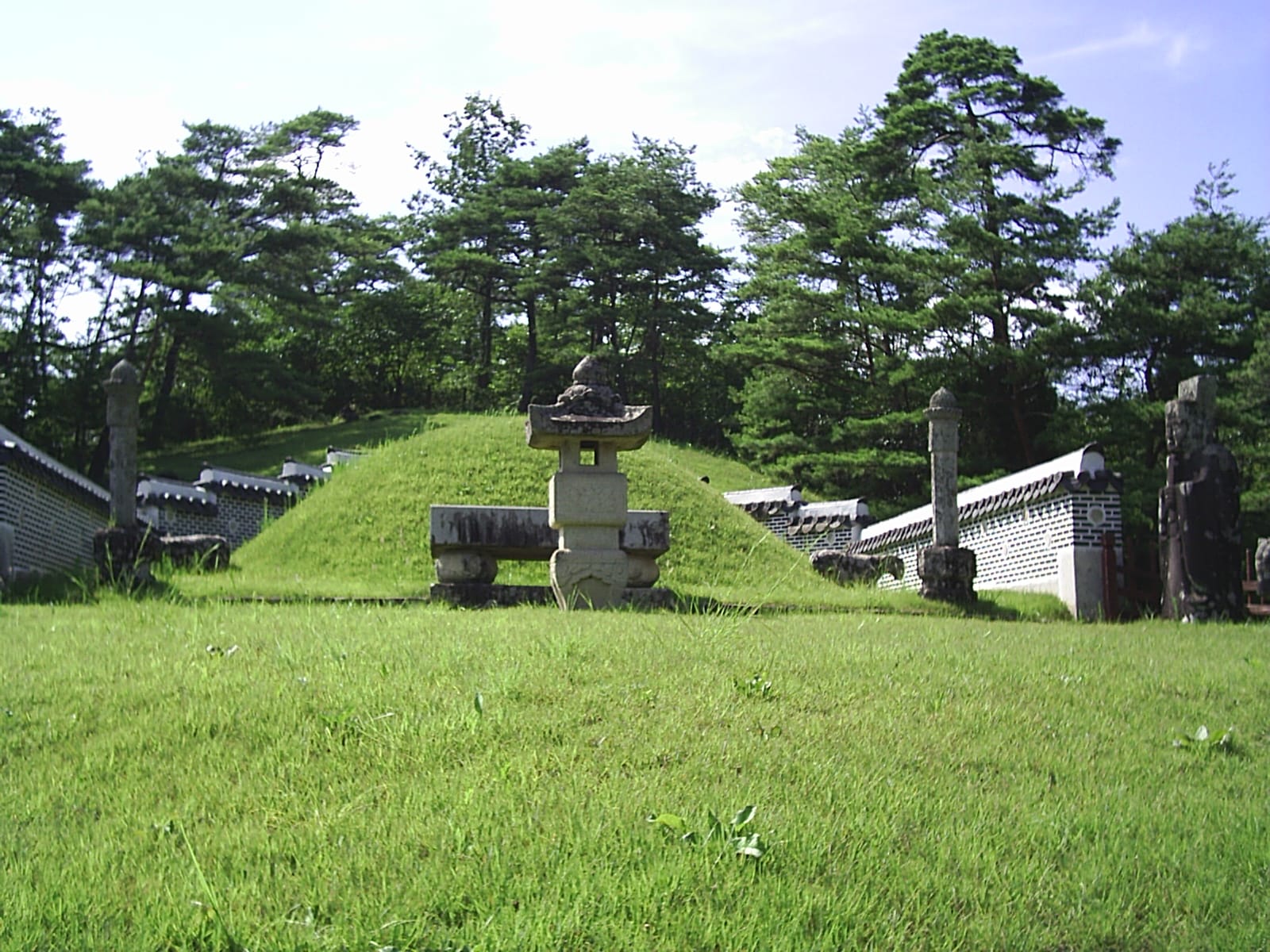
Danjong’s tomb, Jangneung, is part of the UNESCO-listed Joseon Dynasty Royal Tombs, linking Cheongryeongpo to a broader international heritage framework. The area is also part of ongoing cultural remembrance, including the Danjong Culture Festival, planned for April 24–26 along the Jangneung area and the Donggang riverside.
For U.S. readers, Cheongryeongpo illustrates how South Korea blends history, cinema, and heritage management to attract international tourism and spotlight UNESCO-listed royal tombs. It also highlights how cultural sites tied to Korea’s past can inform current discussions on tourism policy, heritage conservation, and soft power in a global economy.