Iran Leadership Questions Persist as US-Israel Strikes Continue, Hormuz Under Strain
The Pentagon briefing on the 13th featured remarks attributed to Pete Hegseth about Iran’s leadership questions. He described Mojtaba Khamenei, who the article says has been named Iran’s new supreme leader, as “not a very strong” top leader and suggested he had been injured, with a possibility of facial or bodily damage. He noted that Mojtaba spoke in a written statement rather than in a live voice or video.
Hegseth further alleged that Mojtaba’s father had died, that the successor was scared and hurt, and that he might be on the run. He added that the leadership question in Iran is unsettled, and even Iran itself may not know who wields real power.
According to the briefing, Mojtaba appeared on state television reading a statement that pledged vengeance and said the blockade of the Hormuz Strait would continue. The claim was made without Mojtaba appearing in person, which Hegseth attributed to his injuries.
The United States and Israel have been conducting extended airstrikes against Iran, a campaign described by the article as continuing for about two weeks. Dan Cane, the Joint Chiefs of Staff chair, said military progress was being made and described the day as one of the strongest attacks across the theater, while cautioning that Iran still retains the ability to threaten allied shipping.
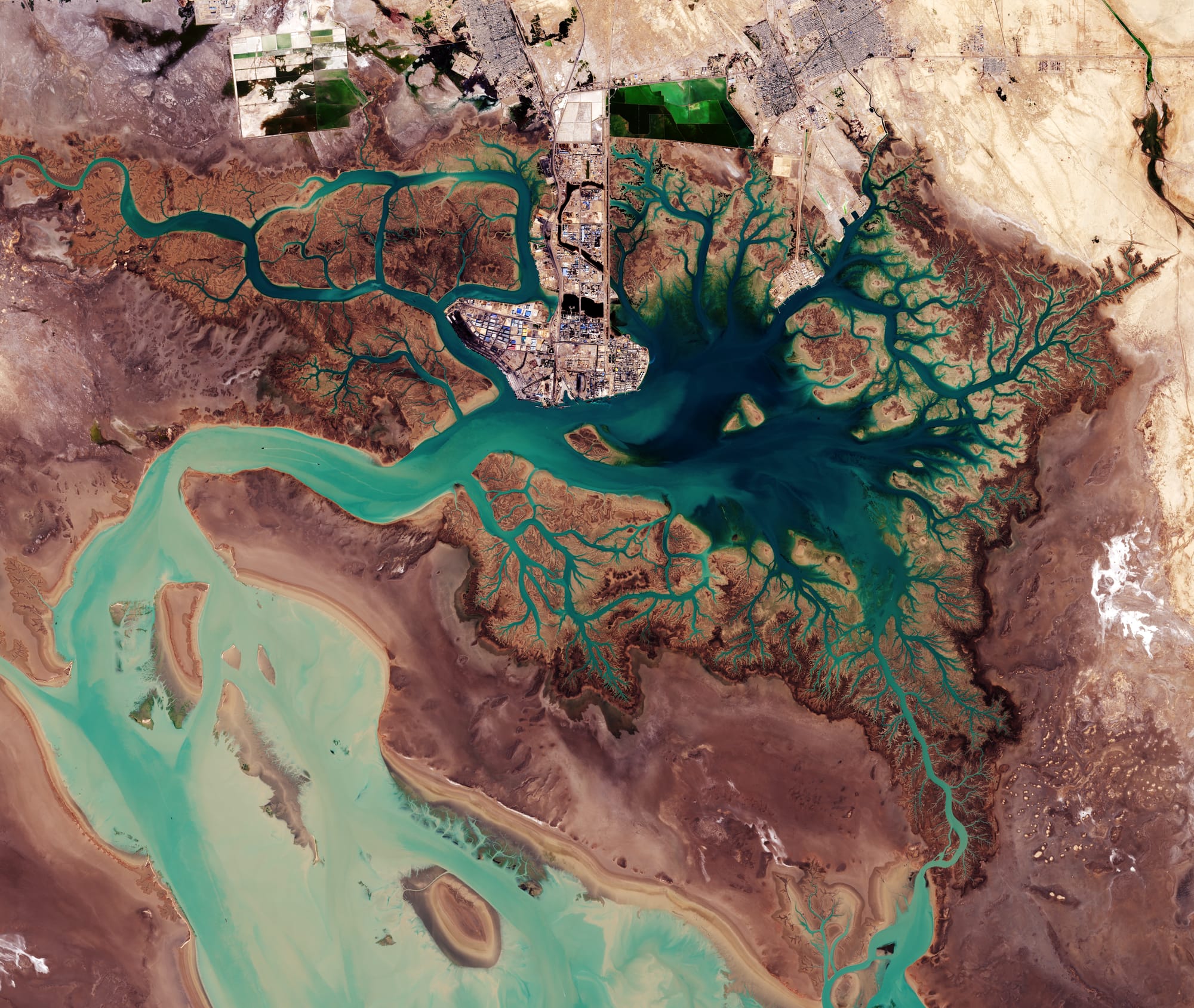
A notable concern in the text is the Hormuz Strait, a critical conduit for global energy shipments that is described as effectively paralyzed by conflict. The article notes there are concerns Iran could lay mines to attack vessels, though Hegseth said there was talk of mines but no conclusive evidence.
Regarding potential naval escort deployments, the piece notes that former President Trump had suggested U.S. Navy escort for tankers, but no deployment had occurred. Energy Secretary Chris Wright reportedly indicated that an immediate deployment was unlikely and that any decision might come later in the month, reflecting a cautious approach given the risks involved in a high-stakes theater.
For U.S. readers, this matters beyond Korea because disruptions around Hormuz could ripple through global oil markets and supply chains, affect energy security, and shape U.S. and allied military and diplomatic posture in the Middle East. The broader context—ongoing strikes, questions about Iran’s leadership legitimacy, and the risk to shipping lanes—has implications for energy prices, regional stability, and Washington’s policy toward Iran and its regional partners. Independent verification of Iran’s leadership status remains essential, given the competing narratives in the reporting.