France and Italy in Talks With Iran on Hormuz Passage as Oil Rises
The Financial Times reports that France and Italy have begun talks with Iran to secure safe passage through the Hormuz Strait, citing three officials. France is among the participants, and Italy has started discussions as well. But the newspaper notes there is no guarantee the talks will advance, and no assurance that Iran is willing to negotiate.
The backdrop is rising risk in the region after the United States and Israel launched military actions against Iran. Tehran has vowed to close or disrupt the Hormuz Strait, a chokepoint that channels a substantial portion of global oil exports. If such closures occurred, energy supplies and prices would face acute pressure.
Oil prices and European energy costs surged in response to the tensions. The FT cites a jump in international oil markets toward the $100 per barrel range, with European natural gas prices climbing about 75% in the same period. European governments and companies fear higher energy bills for households and manufacturers.
European naval posture in response to the crisis is mixed. France, Italy, and Greece participate in the EU’s Aspides mission in the Red Sea to protect shipping there, but officials told the FT that there is no European navy deployed with a credible plan to escort vessels through Hormuz under high-risk conditions. Some EU member states reportedly oppose such direct engagement with Iran.
Italy issued a denial in response to the FT report. An Italian foreign ministry official told Reuters that unofficial talks aimed at protecting some ships while sacrificing others were not taking place, underscoring possible divisions within Europe over engagement with Iran.
For the United States, the episode matters because a disruption of Hormuz could ripple through global energy markets, affecting American consumers, inflation, and economic policy. It also intersects with U.S. diplomacy and security commitments in the Middle East, including partnerships with Gulf states and the broader effort to deter Iran’s regional activities.
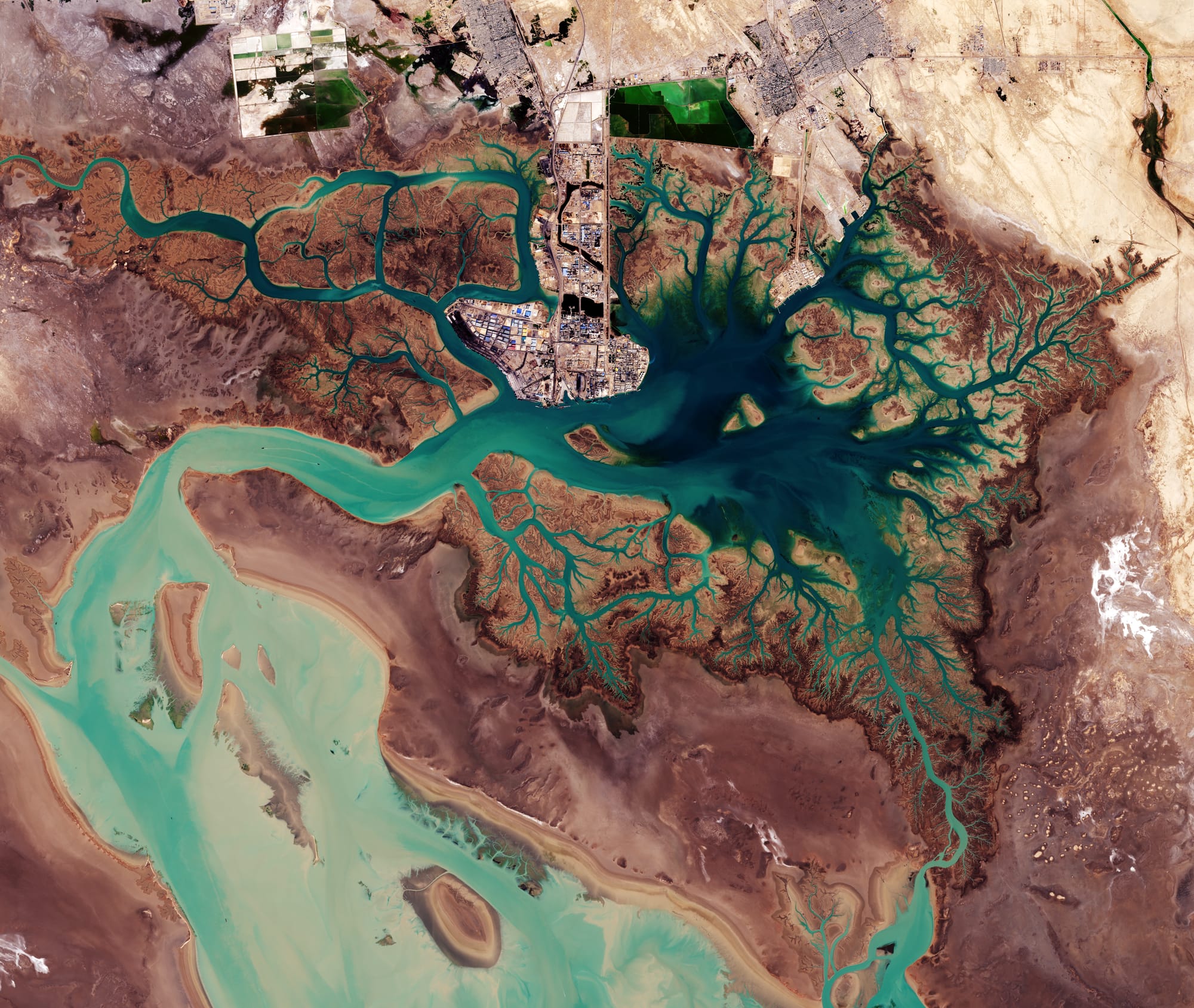
Non-Korean readers should understand Hormuz as a critical choke point at the mouth of the Persian Gulf, through which a large share of the world’s oil travels. Any escalation that threatens open shipping lanes can quickly affect global markets, supply chains, and strategic interests for the United States and its allies.