Trump Says U.S. Bombed Harq Island; Iran's Oil Facilities Could Be Struck
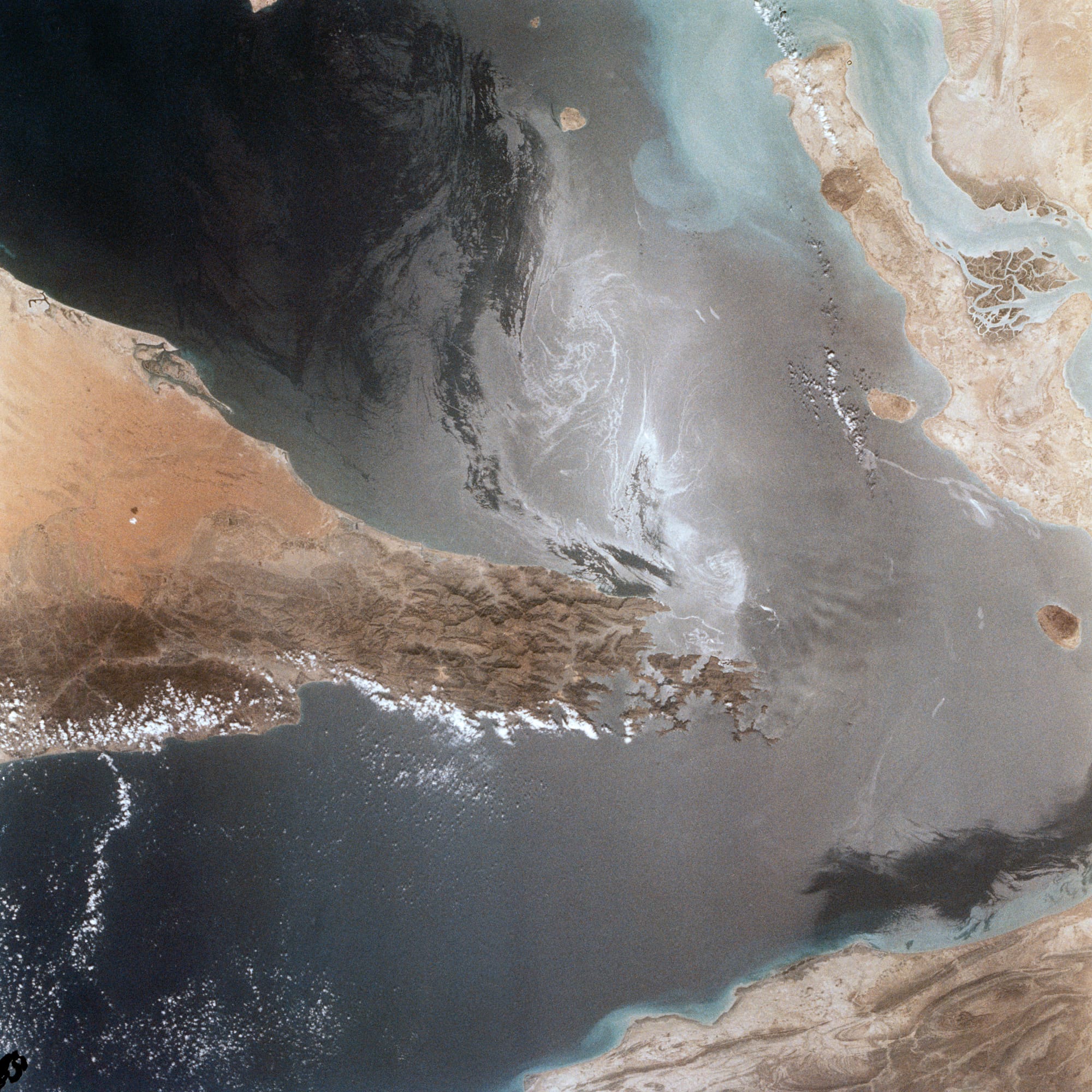
President Donald Trump said on social media that, at his order, U.S. Central Command conducted one of the most powerful bombing campaigns in the Middle East and destroyed all military targets on Harq Island, an Iranian oil-export terminal near the Strait of Hormuz.
The claim comes as Washington signals a week of intensified pressure on Iran, with reports that amphibious assault ships and a Marine Expeditionary Unit stationed in Japan are being dispatched to the Middle East.
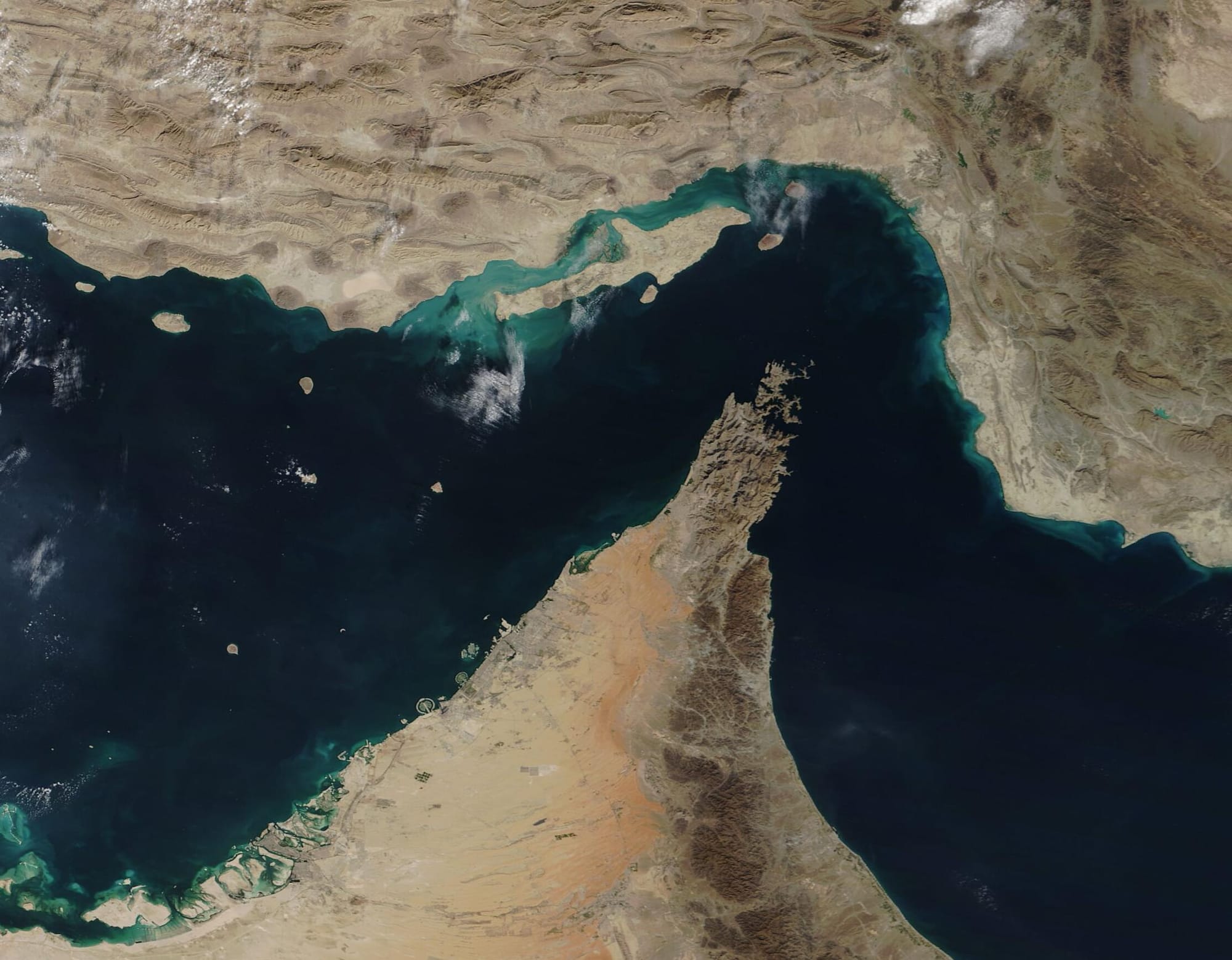
Trump added that, for now, he would not destroy the island’s oil infrastructure, but warned that if Iran or others threaten the free and safe passage of ships through the Strait of Hormuz, he would reconsider and could strike Iran’s oil facilities.
Harq Island has long served as a crude-export terminal since the 1960s, after oil facilities were built there by Amoco. It is capable of handling up to about seven million barrels of crude per day, and much of Iran’s crude is loaded onto tankers there for export.
Officials framed the strike as a way to cut Iran’s financial lifeline by disrupting oil revenue should Iran again attempt to block Hormuz traffic.
Meanwhile, U.S. media reported a broader buildup of forces: the relocation of amphibious assault ships and a Marine Expeditionary Unit from Japan to the Middle East, expanding the options available to CENTCOM.
The Wall Street Journal described the move as widening operational options against Iran, while the New York Times cited figures of up to 2,500 Marines aboard as many as three ships joining about 50,000 U.S. troops in the region.
The Associated Press noted the Marines are trained for landing operations but could also assist with embassy security, civilian evacuations, or disaster relief, and that a ground invasion remains uncertain.
Axios reported that unnamed officials discussed plans to neutralize Iran’s land-based anti-ship missiles near Hormuz before resuming escort operations, though they declined to comment on any possible ground action.
Trump told Fox News Radio that the coming week would see Iran “very hard” hit, signaling a sustained pressure campaign as oil markets react to the Hormuz situation.
For U.S. readers, the broader context matters beyond Korea: disruptions to Hormuz could affect global oil supplies, prices, and inflation in the United States, while the deployment of additional U.S. forces has implications for American defense posture, alliance commitments, and regional security dynamics. The episode also tests the resilience of international diplomacy and supply chains dependent on unhindered maritime traffic through the Strait of Hormuz.