Hormuz disruption boosts Russia's oil revenue, reshaping global energy markets
The Financial Times reports that, as the Middle East conflict unfolds, Russia has emerged as the biggest beneficiary of the disruption to global oil flows. The blockade of the Hormuz Strait has redirected demand toward Russian crude, with FT citing a surge in Russia’s oil revenue as a result.
Since the blockade began on the 28th of last month, Russia has earned an estimated $1.3 to $1.9 billion in oil export taxes. FT notes that this figure reflects revenue from taxes on oil exports rather than the price of crude itself being higher in the market.
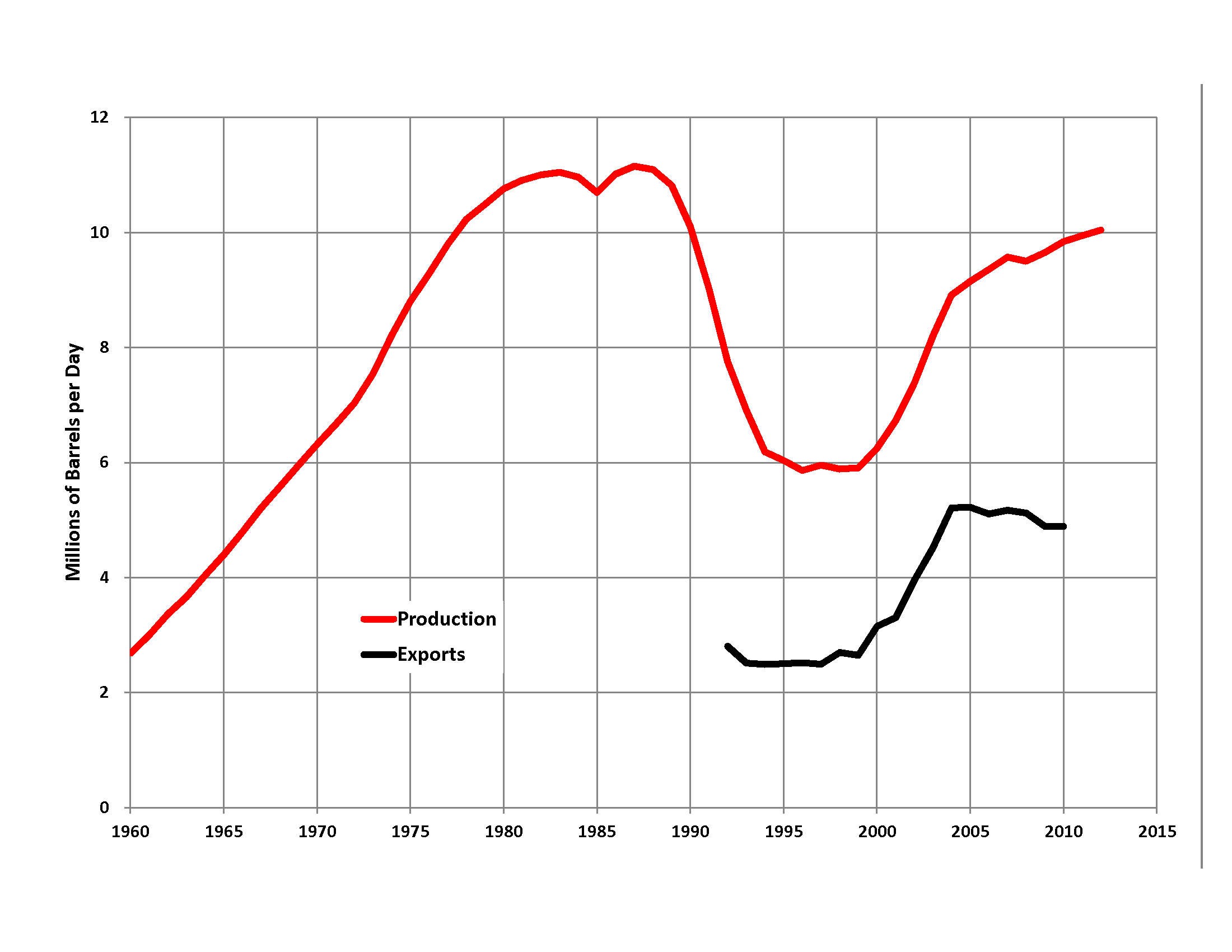
If Russian oil prices stay in the $70 to $80 per barrel range this month, Russia could accumulate roughly $3.3 to $4.9 billion in additional revenue by month’s end, according to the FT’s calculations. The blockage has effectively reduced Middle East supply and elevated the role of alternative suppliers.
Before the war, Russia’s oil exports had slumped to their lowest levels since Moscow’s 2022 invasion of Ukraine. The Hormuz Strait disruption, which cuts a sizable portion of global crude traffic, has helped Russia position its oil as a substitute for Middle Eastern grades in several markets.
The United States has eased some sanctions on Russian oil to address price spikes. On the 5th, Washington temporarily allowed India to purchase Russian crude. Then on the 12th, the U.S. announced a 30-day window for countries to buy Russian oil and petroleum products that are stranded at sea, temporarily widening global access.
Sumit Ritolia, a senior analyst at the energy analytics firm Kpler, says much Russian crude remains afloat and is heading toward Indian ports, with India currently importing about 1.5 million barrels per day and potentially rising toward 2 million barrels per day if the trend continues. He describes the current war as creating a “new maximum winner” in Russia's favor.
For U.S. readers, the developments matter because they affect global oil prices, inflation, and energy security. Any sustained shift in supply routes or sanctions policy can influence gasoline costs, manufacturing costs, and broader market volatility in the United States, while also shaping the calculus behind U.S. energy and foreign policy toward Russia and the wider Middle East. The situation underscores how geopolitical shocks, even when centered far from the United States, can ripple through American energy markets and strategic interests.