Korea Reclassifies Jeju Air Debris, Prompting Accountability Over Recovery
On December 12, the Ministry of Land, Infrastructure and Transport, the Aviation and Railway Accident Investigation Board, and the Jeollanam-do Police’s forensic science division inspected debris stored behind the airport fire station at Muan International Airport. Officials said 24 of the debris items were among those estimated to be human remains.
The inspection comes as authorities continue reclassifying debris from the December 29 Jeju Air passenger jet disaster, a process that has drawn criticism over how the recovery was handled and who is responsible for it.
According to the families of those killed and the Jeollanam-do Police, a total of 33 debris objects are suspected to be human remains. Of these, 9 have been confirmed as remains, while the remaining 24 await verification through testing.

The suspected remains were found in ton bags and other debris stored at the site. The Aviation and Railway Accident Investigation Board had moved the most significant debris to Gimpo Airport’s testing and analysis center for detailed examination, while the rest remained at Muan for storage pending further work.
The crash site was marked by the impact’s explosive force and a large fire; authorities conducted a month-long search and recovered about 1,000 debris items from the site and its surroundings. Officials have said some remains could have been mixed with debris collected later during the recovery process.
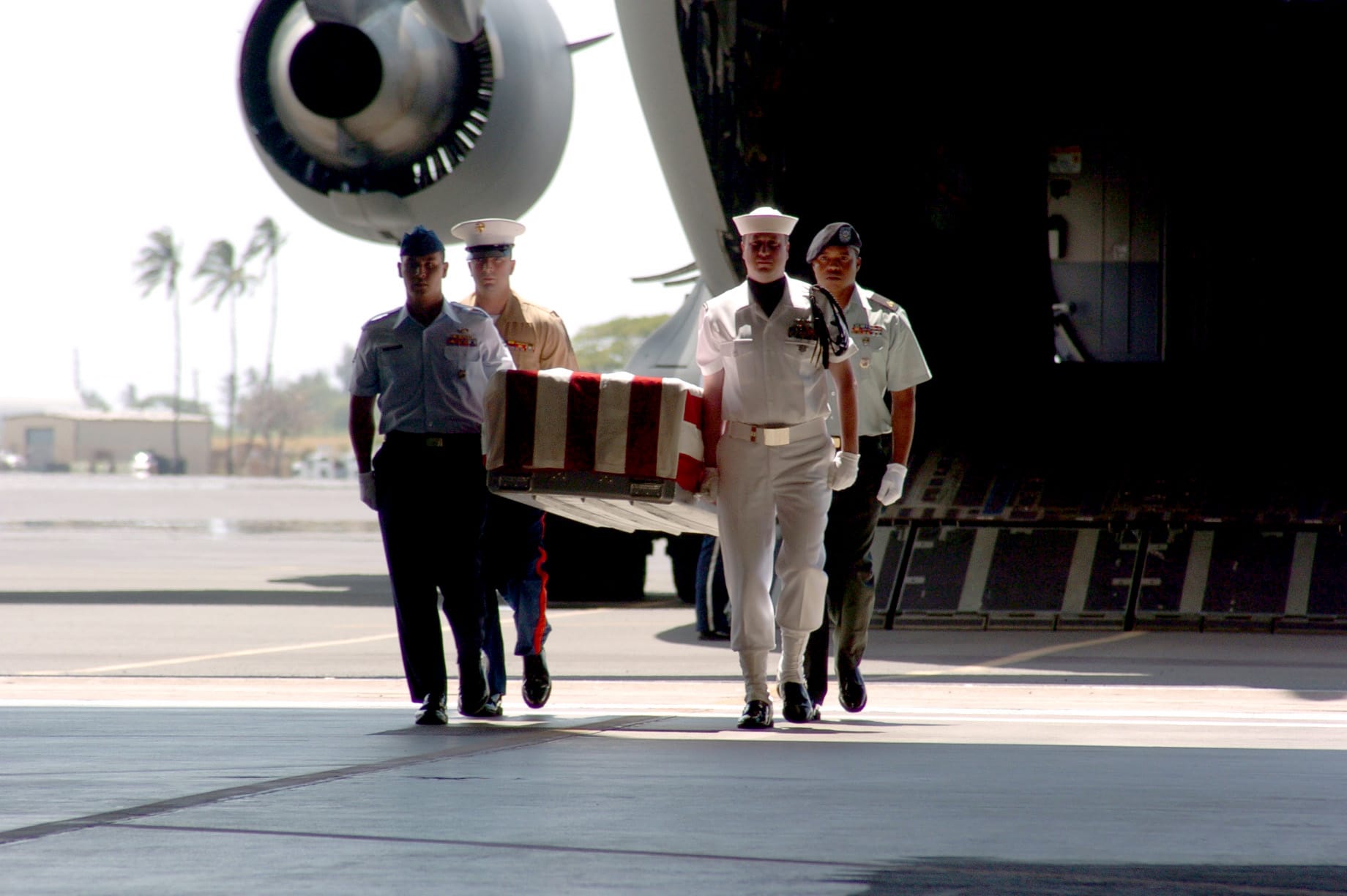
Families had pressed for a more thorough handling of the remains, criticizing the prior storage and classification practices. The ministry says it has begun reclassifying and improving storage procedures, and the day’s discoveries occurred as part of those efforts.
President Lee Jae-myung ordered a full explanation of why remains were not fully recovered and why they were left unaddressed for more than a year, directing officials to be held accountable for any failures.
For U.S. readers, the episode underscores broader questions about disaster response, victim identification, and transparency in aviation accidents. The handling of debris and remains can influence international safety confidence, the credibility of cross-border investigations, and the pace at which airlines and regulators respond to grave incidents. It also highlights the ongoing importance of robust accident investigation practices for global airlines and travelers.