South Korea Implements Price Caps on Gasoline, Diesel, Kerosene Amid Global Volatility
South Korea’s price-control policy on petroleum products entered full effect as of midnight on the 13th, after President Lee Jae-myung announced the move at a Blue House meeting with senior aides on the 12th. The measure aims to curb domestic fuel costs in the face of global oil price volatility tied to tensions in the Middle East.
President Lee urged the public to report any gas stations found to be violating the price ceiling “without delay,” saying citizen oversight is needed to prevent profiteering as markets swing. He also used social media to emphasize the policy, posting on X (formerly Twitter) that the price ceiling had now been fully implemented to stabilize fuel prices.
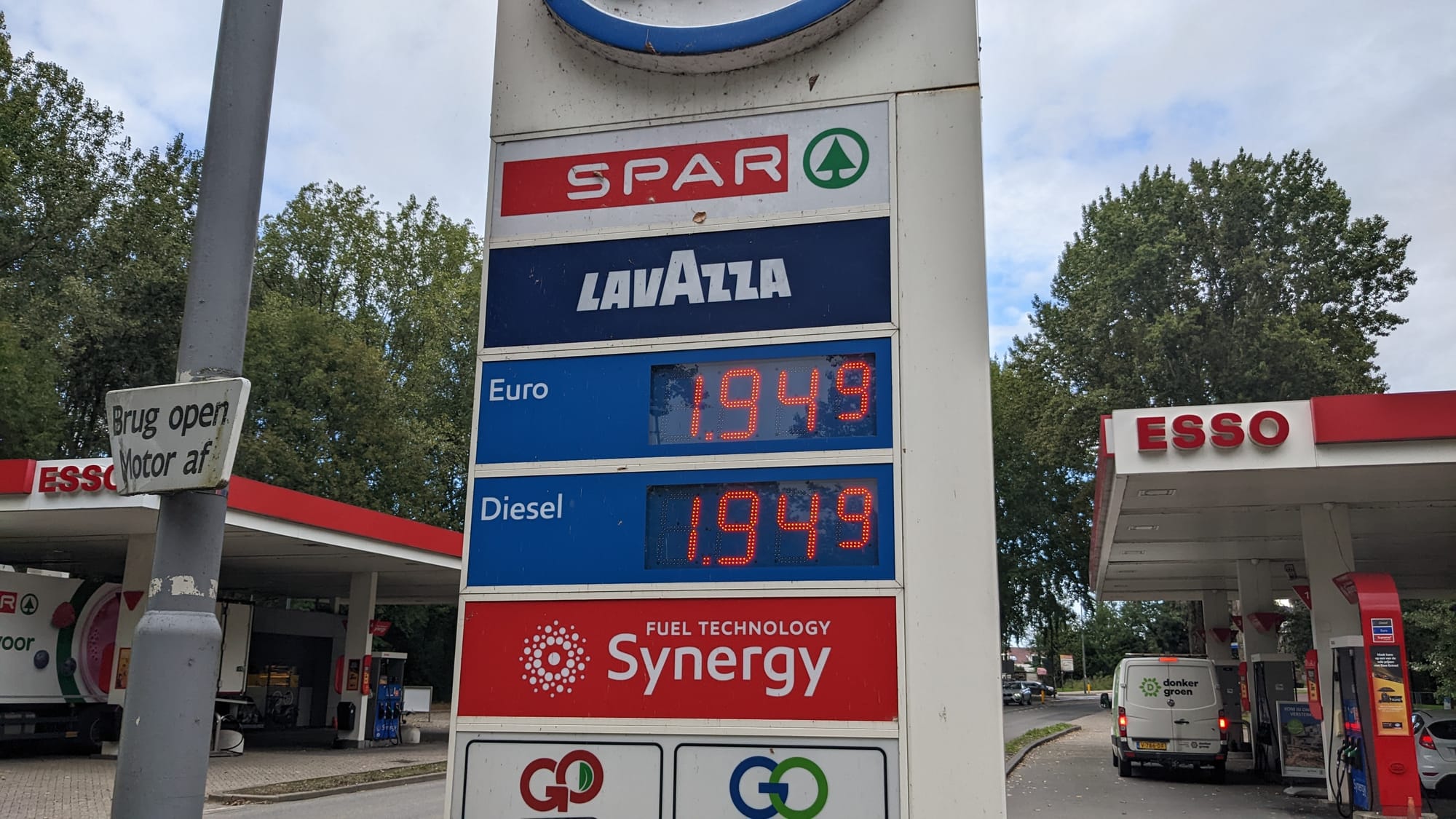
Under the policy, the government has set explicit caps on the supplier price per liter: regular gasoline at 1,724 won, automotive diesel at 1,713 won, and kerosene for domestic use at 1,320 won. The caps are described as maximum supply prices intended to limit the cost seen by retailers and, ultimately, consumers.
Penalties for violations are severe, including up to two years in prison or a fine of up to 20 million won. The government framed the rule as part of a broader effort to shield consumers from price spikes driven by geopolitical risk and supply disruptions in global energy markets.
Context for international readers: the Korean measure reflects how Seoul responds to energy-price volatility amid regional tensions, a factor closely watched by global energy traders and policymakers. South Korea is a major consumer of refined petroleum products and a key link in Asian supply chains, including electronics and automotive manufacturing that feed into U.S. markets.
For the United States, the episode illustrates how a major Asian economy uses price controls to manage inflation and energy security in a volatile global market. Developments in Korea’s fuel policy can influence regional supply dynamics, refining margins, and domestic demand, all of which can subtly affect global oil markets and related trade flows.