Trump says he ordered strike on Iran's Kharg Island oil terminal
On the 12th local time, President Donald Trump spoke at a White House event marking Women’s History Month. A day later, he said in a post on Truth Social that he had ordered U.S. forces to strike Iran’s Kharg Island oil-export terminal, targeting Iran’s military facilities there and destroying all military targets on the island.
Trump described the strike as “one of the most powerful bombings in Middle East history,” but said he chose not to destroy the island’s oil infrastructure for reasons of “dignity.” He warned that if Iran or anyone else acts to disrupt shipping through the Strait of Hormuz, he would immediately reconsider that decision.
In his post, Trump asserted that Iran will never possess nuclear weapons or threaten the United States, the Middle East, or the world. He urged Iran’s military and those tied to the regime’s terrorism to lay down their weapons and remain in Iran.
Analysts interpret the Kharg Island action as a pressure tactic aimed at restoring free passage through the Strait of Hormuz, a critical chokepoint for global oil shipments. Kharg Island has long functioned as Iran’s main oil-export terminal, with the capacity to move up to about 7 million barrels of crude oil per day.
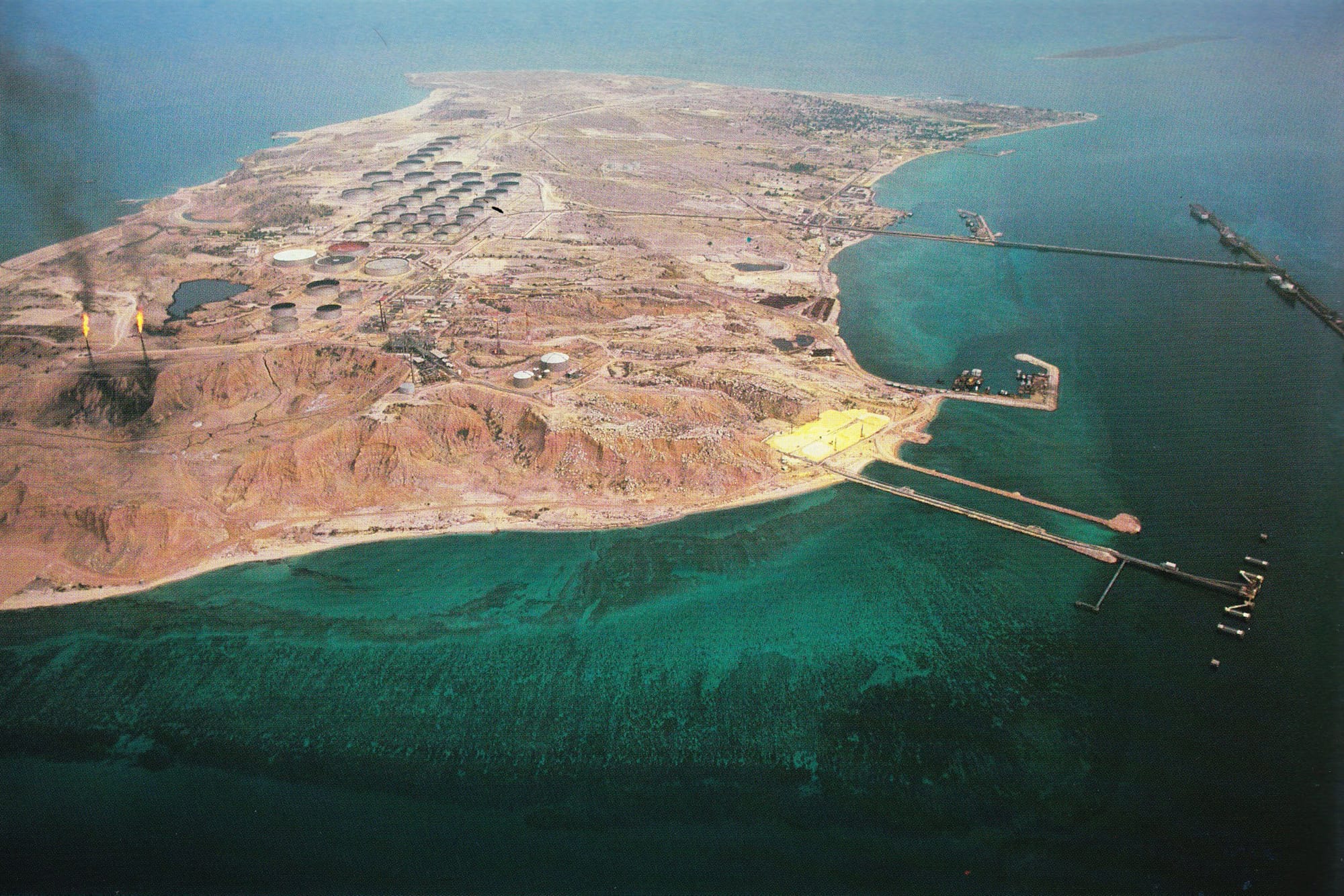
Geographically, the island sits in the Persian Gulf and hosts large storage tanks and deep-water berths for loading Very Large Crude Carriers. The site also includes worker housing and an airstrip connecting to the Iranian mainland, with submarine pipelines linking the terminal to Iran’s major oil fields.
Historically, Kharg Island’s oil facilities were developed beginning in the 1960s by American company Amoco, establishing the terminal as a central hub for Iran’s export trade. Any disruption to its operations can have ripple effects on global oil supplies and prices, given the Strait of Hormuz’s central role in moving Persian Gulf crude to markets worldwide.
For U.S. readers, the episode underscores how tensions around Iran can impact energy security, supply chains, and markets. An interruption in Hormuz-bound shipments or escalated Iranian pressure in the Gulf can influence crude prices, influence U.S. energy policy, and affect global buyers who rely on stable Middle East oil flows.