Won breaches 1,500 per dollar as oil climbs and tensions rise
South Korea’s won slid against the U.S. dollar in late trading, briefly topping 1,500 won per dollar. The USD/KRW rate reached 1,500.1 at 5:17 p.m. on the 13th, the first intraday move above 1,500 in seven sessions. For the week’s trading, the rate stood at 1,493.7 won per dollar as of 3:30 p.m., up 12.5 won from the previous day.
Oil prices helped drive the move. After a period of stabilization following a prior surge, crude had fallen for two days, but a rebound in oil prices yesterday contributed to renewed upward pressure on the won, as market risk appetite and dollar strength shifted.
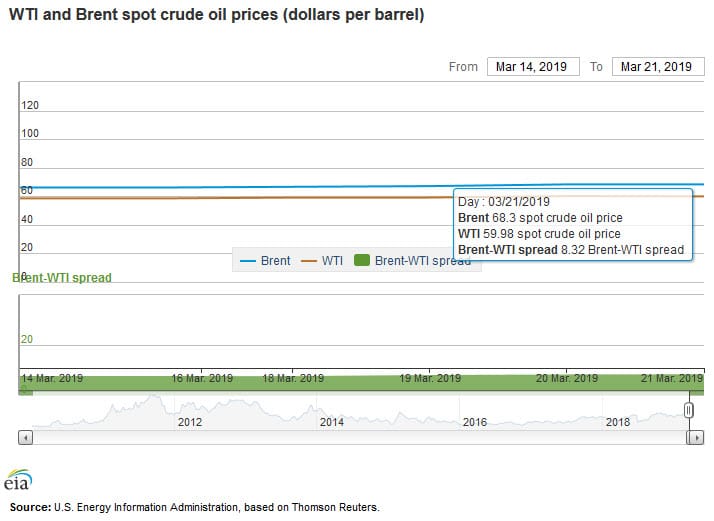
The market also tracked geopolitical developments. The report notes that Iran elected a new supreme leader and announced hardline measures, including actions affecting the Hormuz Strait, which contributed to a move higher in crude prices above $100 per barrel. The report’s specifics about leadership and policy are disputed in some accounts, but the price response reflected heightened geopolitical risk.
For the United States, the price swing matters because oil above $100 a barrel can feed through to higher energy costs and broader inflation, influencing consumer prices and monetary expectations. A stronger dollar tends to affect import prices and the global cost of U.S.-sourced goods, while also shaping capital flows and corporate earnings for U.S. companies with exposure to Asia.
South Korea is a major trading partner for the United States and a key node in global electronics and automotive supply chains. Movements in the won and in oil prices can ripple into U.S. supply chains, costs for American manufacturers, and the pricing of semiconductors and consumer electronics imported from Korea.
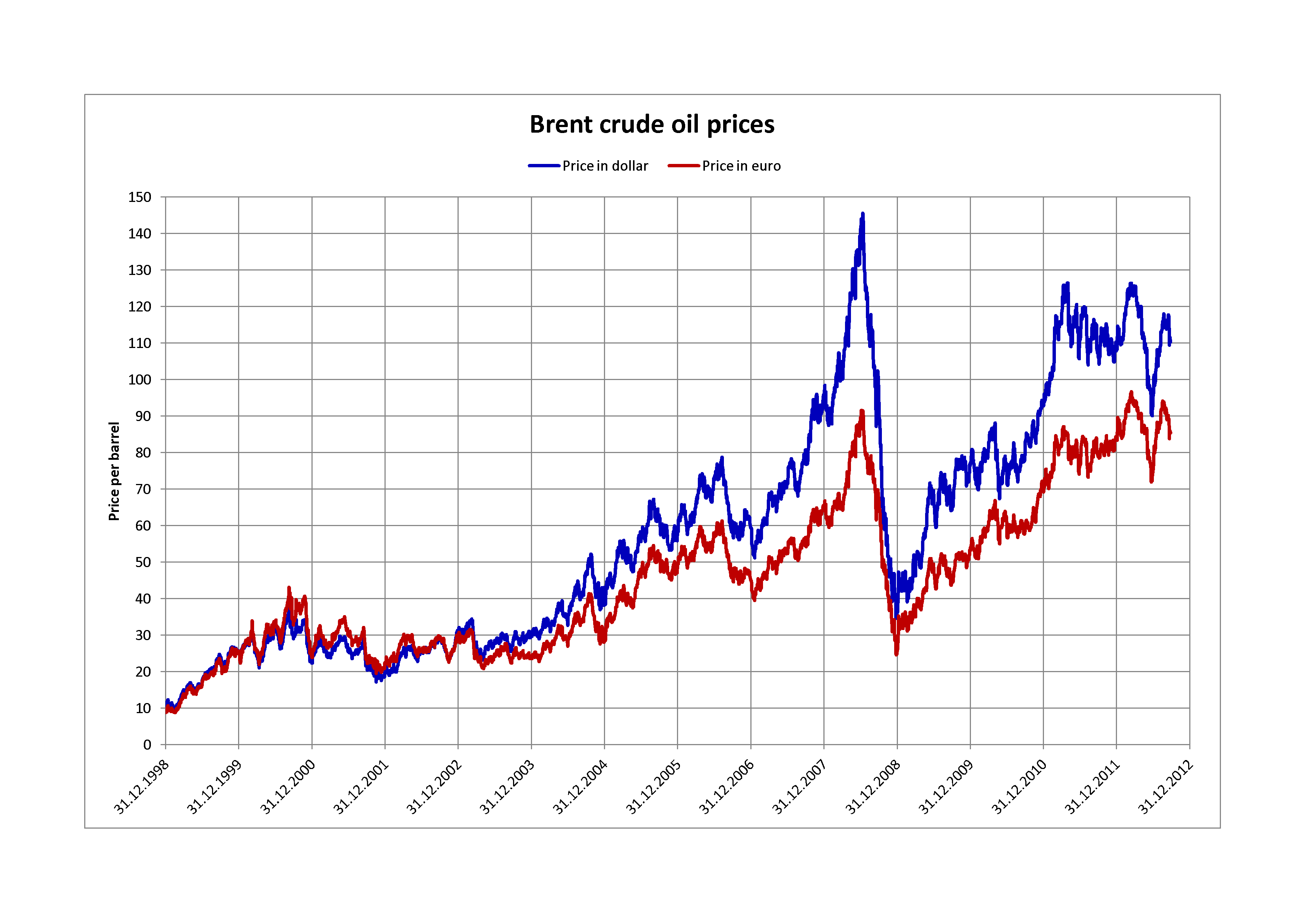
The Hormuz Strait remains a critical global chokepoint. Roughly one-fifth of the world’s seaborne oil passes through the strait, meaning any disruption or heightened tension tends to lift crude prices and heighten risk in financial markets. That dynamic helps explain why a regional event can translate into currency volatility in Seoul and beyond.
Markets will continue to watch developments in Middle East tensions, U.S. and allied policy responses, and domestic monetary considerations in Korea. If oil stays elevated and the dollar remains firm, further volatility in the won and in global energy equities could follow.