Kim Eo-jun Denies Pre-Arranged Deal in Jang In-su Case
South Korean broadcaster Kim Eo-jun has publicly rebutted allegations of a pre-arranged scheme related to a claimed deal to drop charges involving former MBC journalist Jang In-su. Kim said he rejects the notion that he or Jang pre-planned remarks, and he asserted that records show he had not discussed the matter before appearing on a live program.
Kim emphasized that people accusing him of prior knowledge or plotting the remarks offer no credible basis for such claims. He added that he can prove with records that, up until his live appearance, he had not mentioned the content in question.

In a pointed response, Kim said, “If lawsuits come, that’s good,” and signaled he would respond to defend himself and others, effectively suggesting he would pursue a robust legal defense.
Earlier, a civic group filed charges against Jang In-su for disseminating false information and also named Kim Eo-jun as an accomplice. The dispute centers on accusations of spreading misinformation and the role of media figures in public discourse.
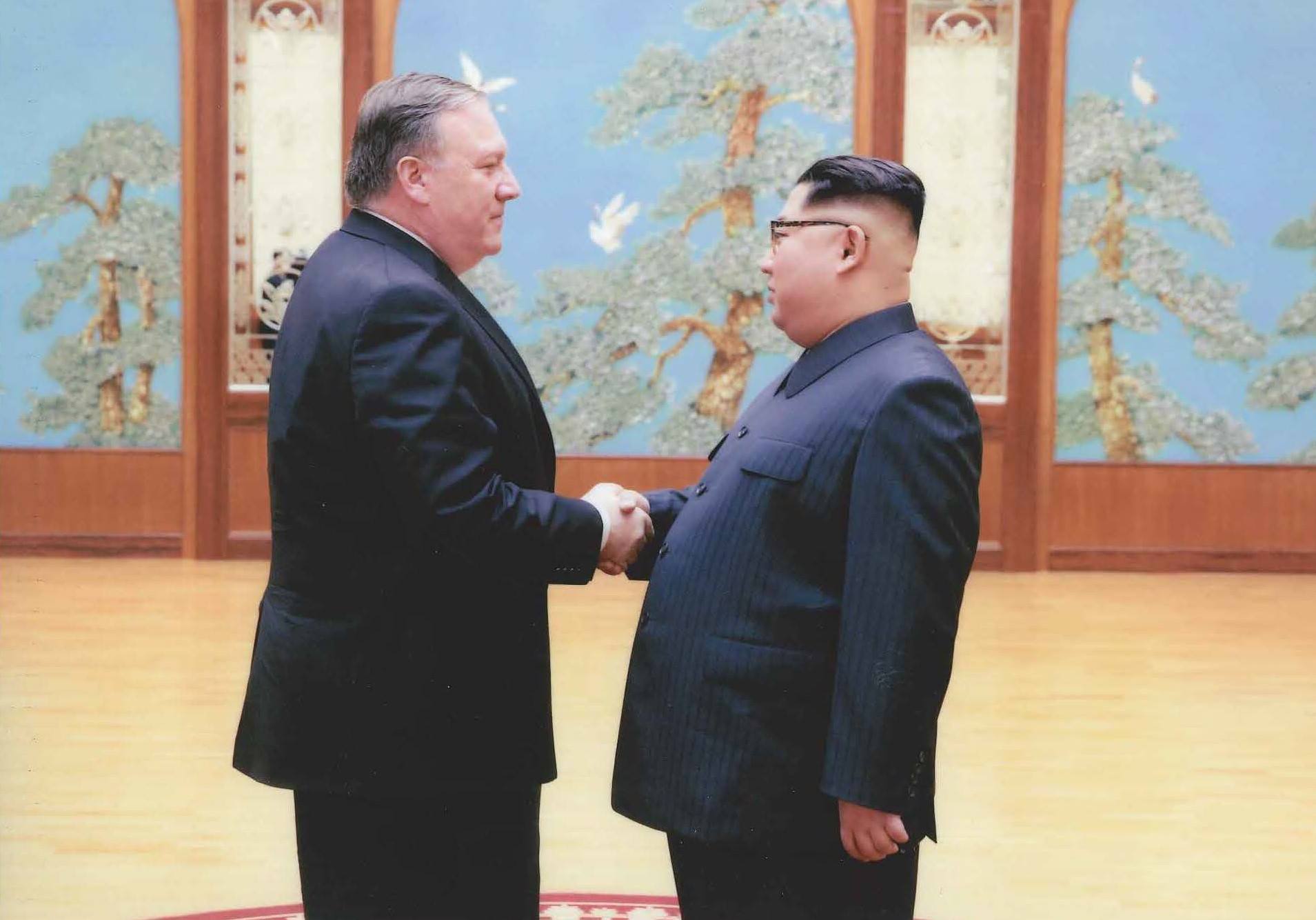
Jang In-su is identified as a former MBC journalist, and the case highlights tensions between media personalities, defamation laws, and public accountability in South Korea. MBC, based in Seoul, is one of the country’s largest broadcasters, and its former employees frequently appear in Korean media coverage and political-legal discussions.
For international audiences, the episode underscores how defamation and accusations of coordinated messaging within the media can affect credibility, advertising, and partnerships—issues that resonate beyond Korea. U.S. readers should consider how media accountability and the legal framework governing false information influence cross-border investment, technology sectors, and the reliability of news sources that feed into global markets and policy discussions.