South Korea Weekend Forecast: Cloudy, Frost, and Coastal Swells Disrupt Travel and Ports
South Korea is forecast to stay mostly cloudy this weekend, with mornings that remain chilly and a wide gap between day and night temperatures inland. The Korea Meteorological Administration warns of strong swells along the East Coast and around Jeju Island, raising caution for coastal roads and beaches.
For Saturday, the 14th, morning lows are expected to range from -4 to 4 degrees Celsius, with daytime highs between 10 and 15 degrees. Sunday, the 15th, should see morning temperatures of 0 to 6 degrees and afternoon highs again around 10 to 15 degrees. Temperatures are expected to be near seasonal norms, though the inland will experience pronounced diurnal swings, with contrasts as large as about 15 degrees between day and night.

Frost is likely in southern inland areas during the early hours of the 14th. The nationwide pattern on the 14th places the country near the edge of a high-pressure system moving east over the northern East Sea, while on the 15th it sits near the edge of a high-pressure system over northeast China, keeping skies generally cloudy to overcast.
Coastal seas face strong swells on the East Sea and around Jeju Island, bringing higher waves that could affect beaches, rocky shores, seawalls, and coastal roads. Mariners and coastal travelers are advised to monitor conditions and heed safety warnings.
Visibility may be reduced at dawn on the 14th, particularly in the southern inland, where fog could make visibility under 1 kilometer. In valleys and near rivers and lakes, fog could be denser, posing risks for drivers and outdoor activity.
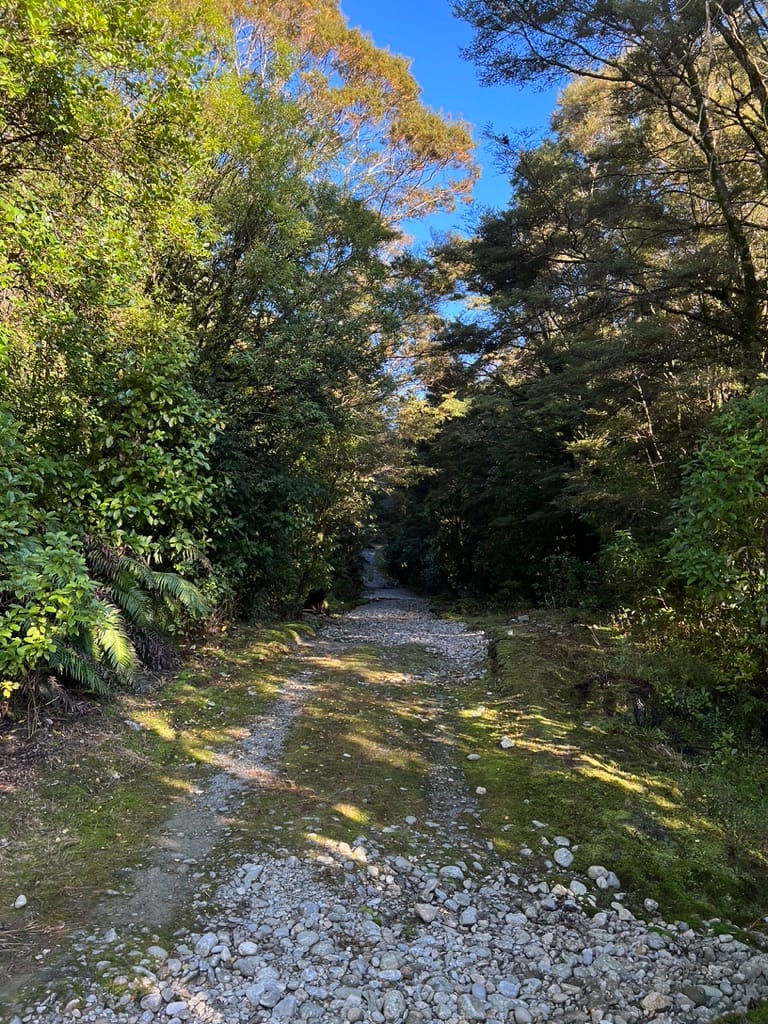
Earlier snow or rain in the mountainous and northeastern coastal areas means temperatures can drop at night, creating icy road conditions. As daytime temperatures rise, ice on rivers, lakes and reservoirs may weaken, potentially triggering ground instability such as landslides, rockfalls, or the collapse of embankments in steep terrain. Caution is advised for travelers and residents in areas prone to such hazards.
Why this matters to the United States: South Korea is a major global player in electronics manufacturing, autos and other exports, with extensive port operations and integrated supply chains. Weather disruptions that affect inland mobility, port activity, or manufacturing schedules can ripple through global markets, affecting semiconductor and consumer electronics supply chains, shipping times, and pricing. For U.S. travelers and businesses with ties to Korea, weekend weather patterns like these can influence travel plans, logistics planning, and risk assessments for cross-border commerce. The forecast also underscores how regional weather systems—even in winter transitioning to spring—can have outsized effects on infrastructure and safety in highly populated coastal and inland corridors.