South Korea's President Lee Jae-myung's approval hits 66%, highest since taking office
A nationwide poll by Gallup Korea showed President Lee Jae-myung with an approval rating of 66%, up 1 percentage point from the previous survey and the highest level since he took office. Disapproval fell by 1 point to 24%. The results were based on a survey of 1,200 adults aged 18 and over conducted from the 10th to the 12th of this month, with the findings released on the 13th.
Regional differences showed broad support, including in the capital area and regions that typically lean toward the opposition. The president drew strong backing from moderates (75%) and people in their 40s (79%), as well as residents of the Daejeon-Chungcheong and Gyeonggi-Incheon area (67%). In Daegu-Gyeongbuk, support stood at 49%, and in Busan-Ulsan-Gyeongsangnam-do at 57%, but disapproval exceeded approval in those regions.
When asked why they approved, respondents cited the economy and people’s livelihoods as the leading factor (20%). Diplomacy (10%), housing policy (8%), communication (8%), and a stock-market uptick (3%) followed.
Those who disapproved pointed to the economy, livelihoods, and the high exchange rate as the most common complaints (16%). Other concerns included diplomacy (8%) and housing policy (6%).
The poll used random mobile-number sampling with telephone interviews (CATI). The sample size was 1,200, and the margin of error is ±3.1 percentage points at a 95% confidence level. Detailed results are available on the website of the National Election Survey Deliberation Commission.
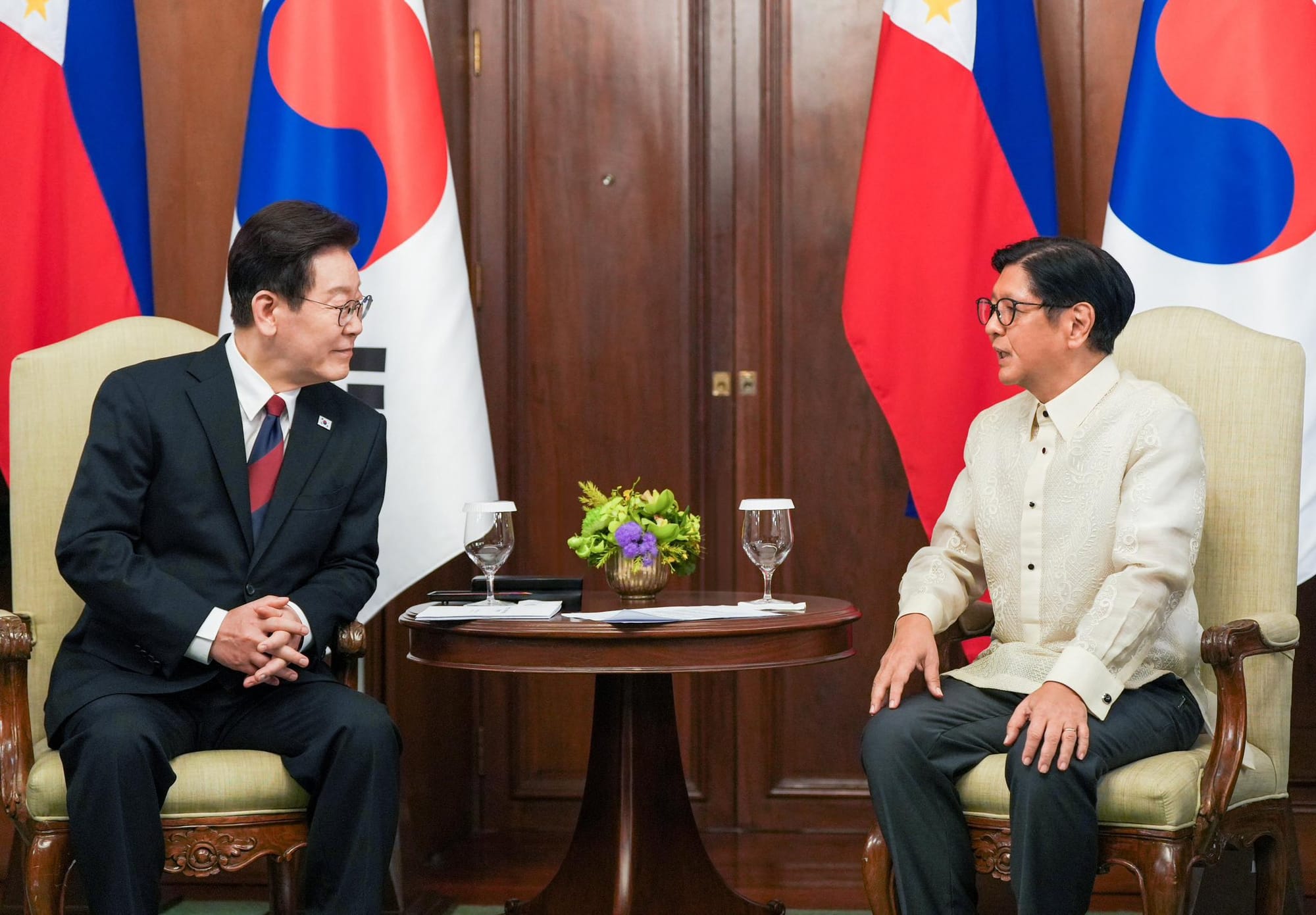
Why this matters to the United States: South Korea is a pivotal U.S. ally in defense, technology, and trade. A high and broad-based approval rating can indicate political stability and legislative momentum for economic and security policies that affect Korea’s role in regional security, semiconductor supply chains, and bilateral defense cooperation. Domestic priorities centered on the economy and inflation can influence how Seoul pursues diplomacy with neighbors and partners, including the United States, and how it prioritizes foreign investment and technology policy that intersect with American interests.
Context for non-Korean readers: Gallup Korea conducts public opinion surveys in South Korea; the president mentioned is Lee Jae-myung, a former opposition leader who, if in office, heads the executive branch. The “Daegu-Gyeongbuk” region covers Daegu and North Gyeongsang Province, while “Busan-Ulsan-Gyeongnam” encompasses Busan, Ulsan, and South and North Gyeongsang Provinces. The polls’ nationwide sampling and a ±3.1-point margin of error reflect standard public opinion methodology used to gauge presidential support in Korea.