Unconfirmed Iranian mine claims in Strait of Hormuz unsettle oil markets
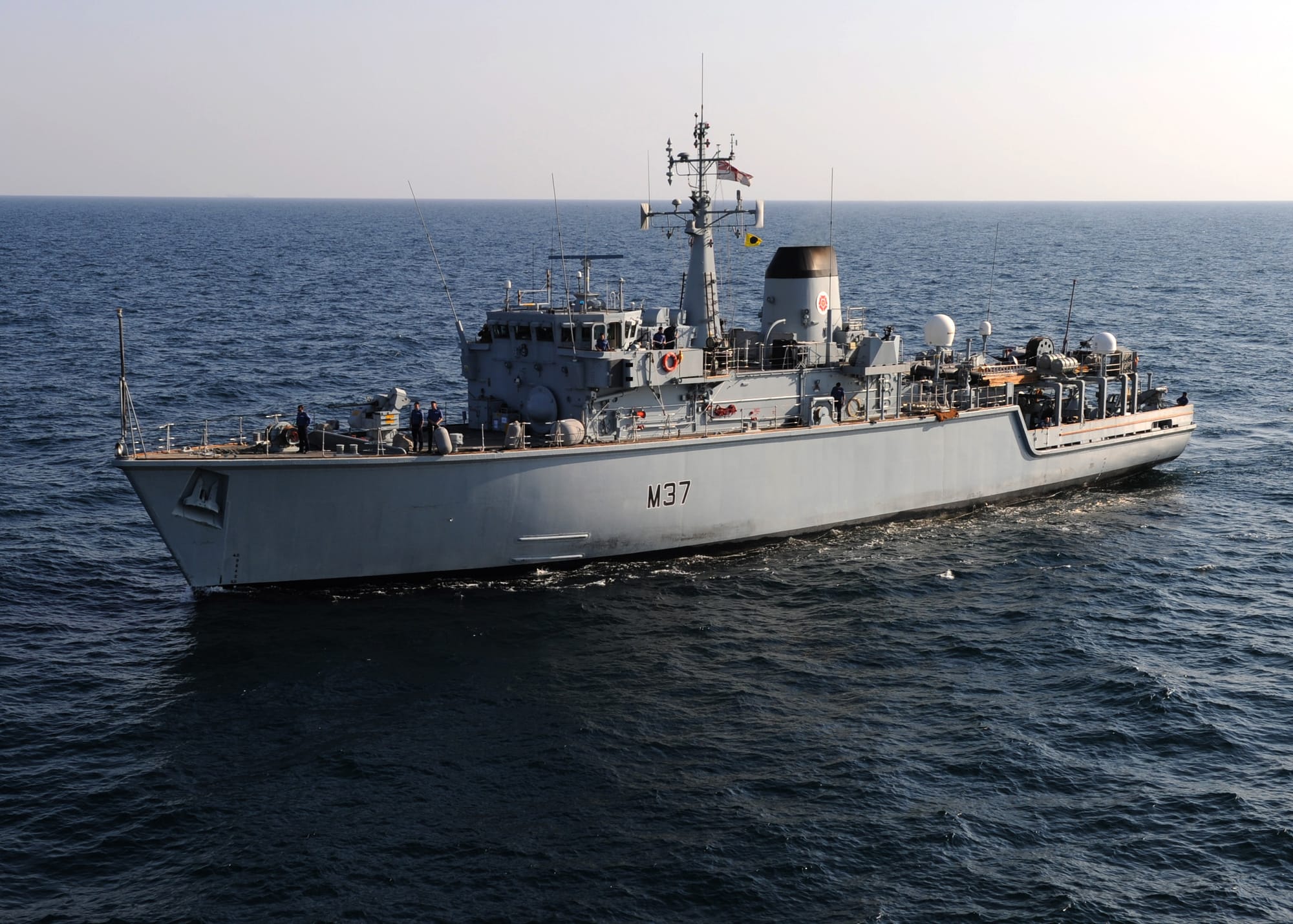
Britain raised the possibility on March 3 that Iran may be laying mines in the Strait of Hormuz, a critical global energy chokepoint. Defence Secretary John Healey told reporters in London that reports of mine-laying “are becoming clearer,” and that while Britain possesses some autonomous mine-clearance systems, the most reliable way to guarantee safe passage would be an end to the conflict.
The United States and Iran have rejected the claim. President Donald Trump dismissed the notion, saying he did not think Iran was laying mines. Iran’s foreign ministry told AFP that the claim was not true.
The Strait of Hormuz handles roughly a fifth of the world’s oil shipments, and it is only about 33 kilometers at its narrowest point. A minefield there could paralyze broad sections of global shipping, pushing prices higher and amplifying supply-chain risks for energy-dependent economies, including the United States.
The report ties the issue to Iran’s leadership trajectory. Mojtaba Khamenei, described as the new supreme leader designate, has vowed to continue blocking the strait, underscoring the potential for prolonged disruption if mines were confirmed or if tensions escalate.
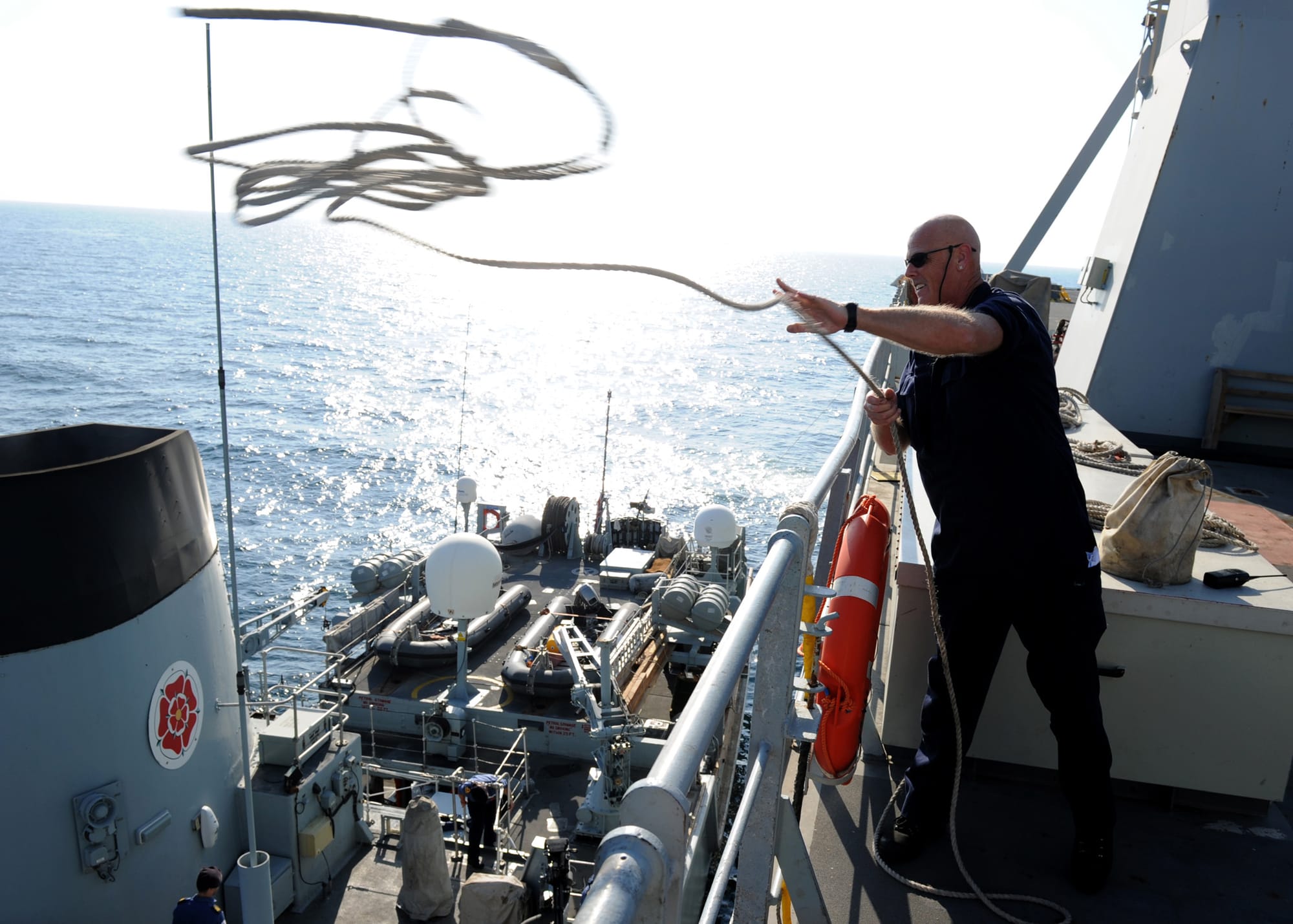
Experts cited in the discussion warn that mine clearance during active hostilities is extremely difficult. Caitlin Talmadge, an MIT professor, said mine clearance is generally feasible only after a conflict ends, while Healey stressed that removing mines in a war zone would be “extremely hard.”
Even the possibility that mines exist has already affected shipping and contributed to a rally in global oil prices above $100 per barrel, illustrating how such developments can ripple through markets and consumer costs around the world, including the United States.
For U.S. readers, the stakes extend beyond Korea. Stability in the Hormuz corridor bears on energy security, inflation, and supply chains, as well as regional security dynamics in the Middle East. The U.S. Navy has not deployed dedicated mine-clearing ships to the area; instead, it would rely on Littoral Combat Ships with helicopters or underwater drones for detection and clearance, a regime fraught with risk in a contested environment.
The situation remains fluid, with competing statements from Tehran and Washington and no confirmed confirmation of mines. The coming weeks could shape how global energy markets and security calculations adapt to potential disruptions at one of the world’s most important trade routes.