New Book Examines Korea's Farmland Ownership, Reform Legacy, and Global Implications
A new Korean-language work by Michael Alberts, a political science professor at the University of Chicago, examines land ownership and inequality through the lens of Korea’s long-running debate over who may hold farmland. The book highlights the constitutional aim of “gyeongja yujeon” (land owned by the tiller) and notes that the government is pursuing a nationwide survey of farmland owners as a way to monitor how effectively that principle is being realized.
The survey would mark the first comprehensive nationwide effort to map who owns Korea’s farmland. The move sits at the intersection of constitutional ideals and practical policy, with officials arguing that understanding land ownership is essential to ensuring the state’s ability to promote equitable access to farmland.
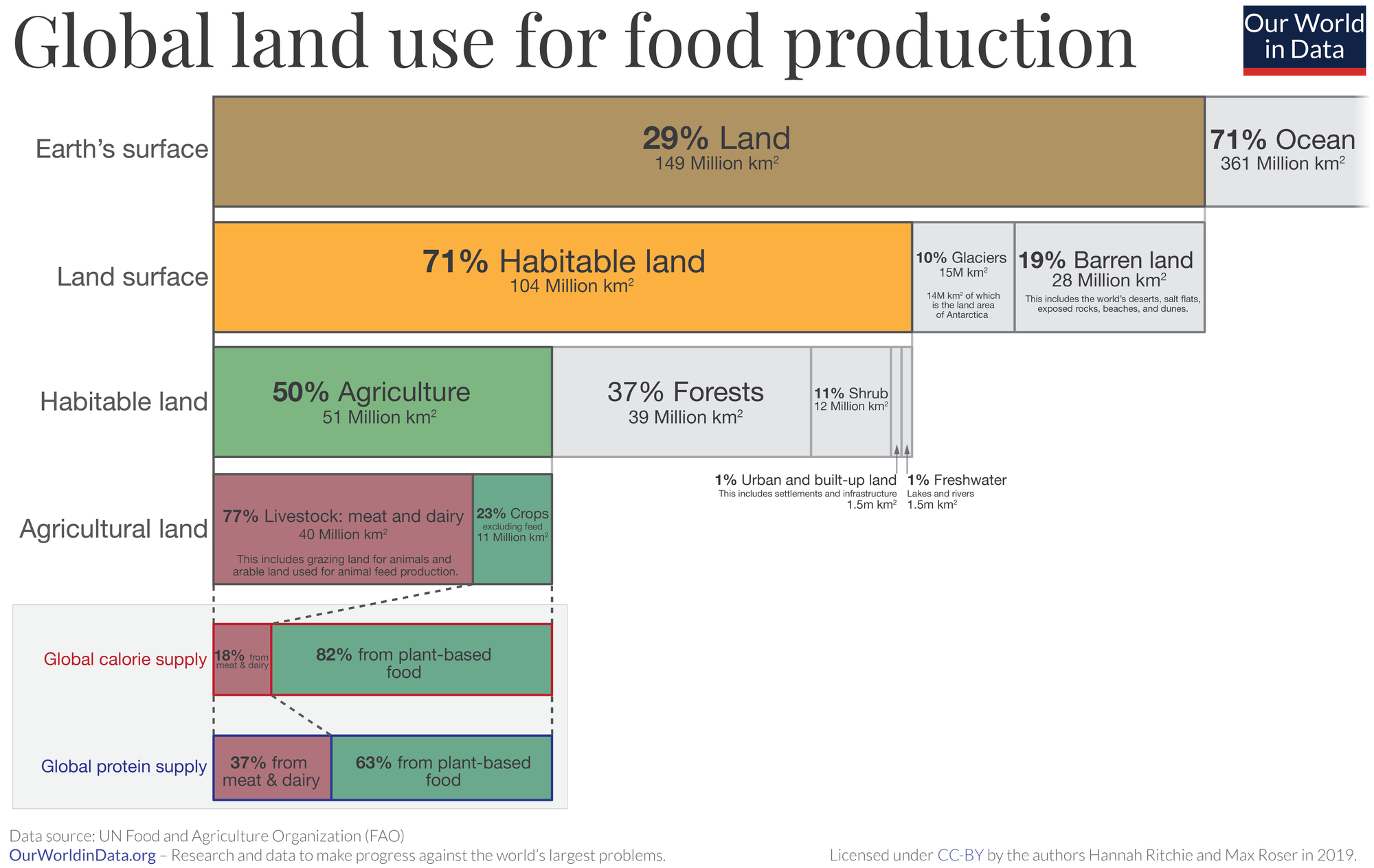
Alberts argues that Korea’s development was shaped by land reform and related policy choices after the country moved from tenant farming to paid purchase and distribution, which allowed farmers to own land. He contends that while most farmers did not become very wealthy, they gained enough security to feed their families, invest in housing and clothing, change dietary habits, and prioritize education, helping fuel urbanization and the growth of manufacturing.
The author traces how land ownership has repeatedly served as a pivot in political power and social structure. He contrasts South Korea’s experience with that of North Korea, where collective farming under a different regime did not sustain the same agricultural productivity or household autonomy. By pointing to historical episodes such as feudal land redistribution in Europe or early reform efforts in Rome, Alberts frames land reform as a recurring mechanism that can widen or narrow opportunity across generations.
Beyond Korea, the book situates the “great reshuffle” of land and power as a global pattern that can re-emerge in different eras. Alberts discusses how historical reorganizations of land have triggered conflicts and reshaped social hierarchies, noting that changes in land rights have influenced gender roles, regional power, and class structures. He also cites contemporary parallels in other regions to illustrate the stakes of such reforms.
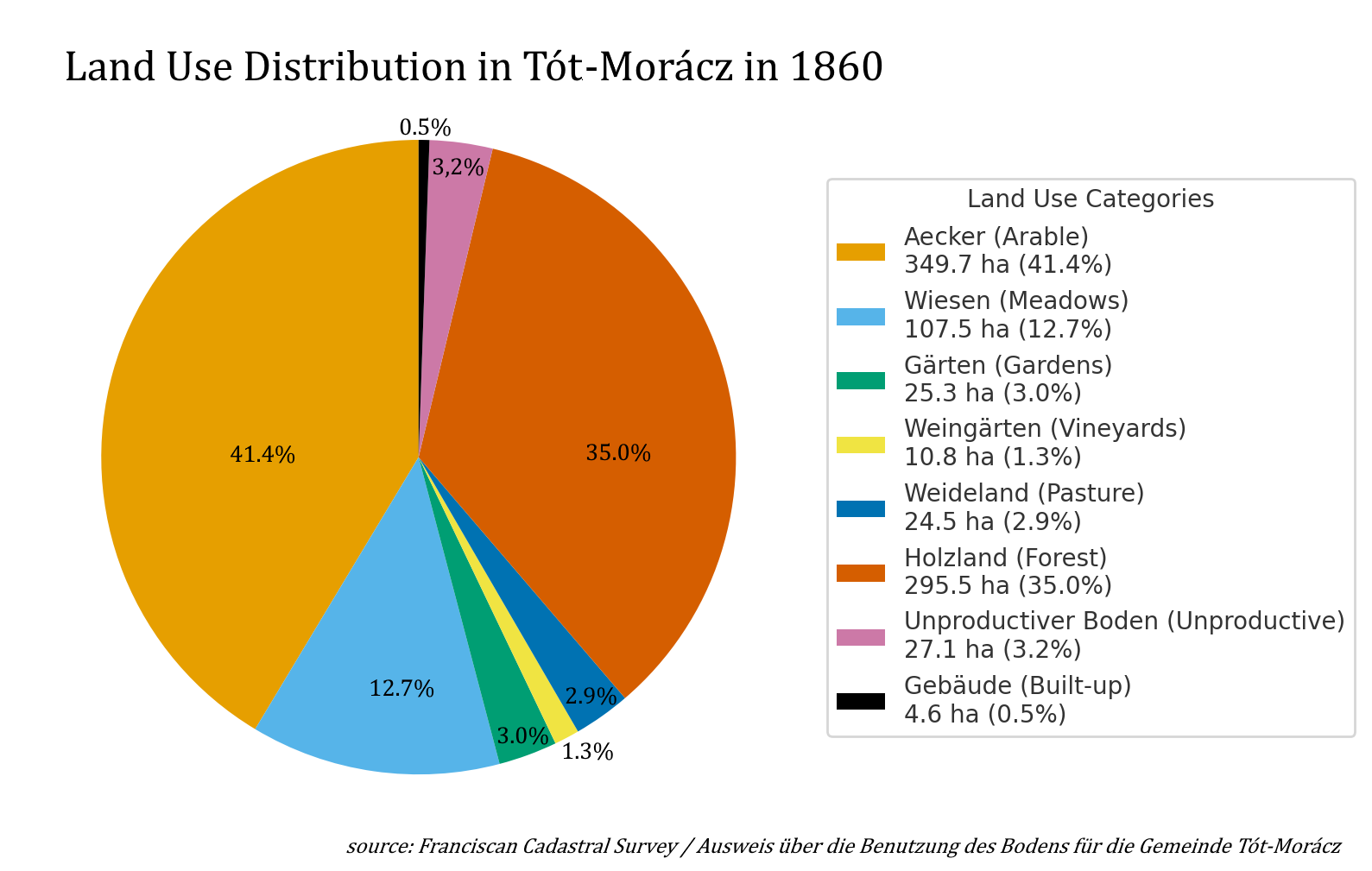
Looking ahead, Alberts suggests that population dynamics and environmental factors could spur another wave of major land reorganization. With the world population projected to approach 10 billion by around 2100, demand for land could intensify in ways that provoke political contention, even as climate change reshapes where and how land is valued. The book argues that how governments choose to organize property rights, infrastructure, social categorization, and environmental management will shape national strength and stability.
For U.S. readers, the Korea story has broad relevance. Korea is a major ally with sophisticated manufacturing, technology, and supply chains, including semiconductors and automobiles. How Korea handles farmland ownership affects rural livelihoods, housing markets, and agricultural policy—factors that can influence global markets, trade policy, and regional security. The broader argument that land policy can drive economic development and social equity resonates with policy debates in the United States and other democracies as nations navigate resilience in food systems, urban-rural balance, and climate adaptation.