South Korea reaffirms Dokdo as Korean territory amid Japan's Takeshima claims
South Korea’s Foreign Ministry said it will respond firmly to any unfounded Japanese claim that Dokdo is Japan’s territory. During a regular briefing in Seoul, MOFA spokesperson Park Il reaffirmed that Dokdo is, in historical, geographical, and international-law terms, clearly Korean territory.
The ministry also released a separate statement saying the government will address Japanese assertions about Dokdo in a decisive and stern manner. The message underscored Seoul’s position that it will not accept unilateral claims over the islets.
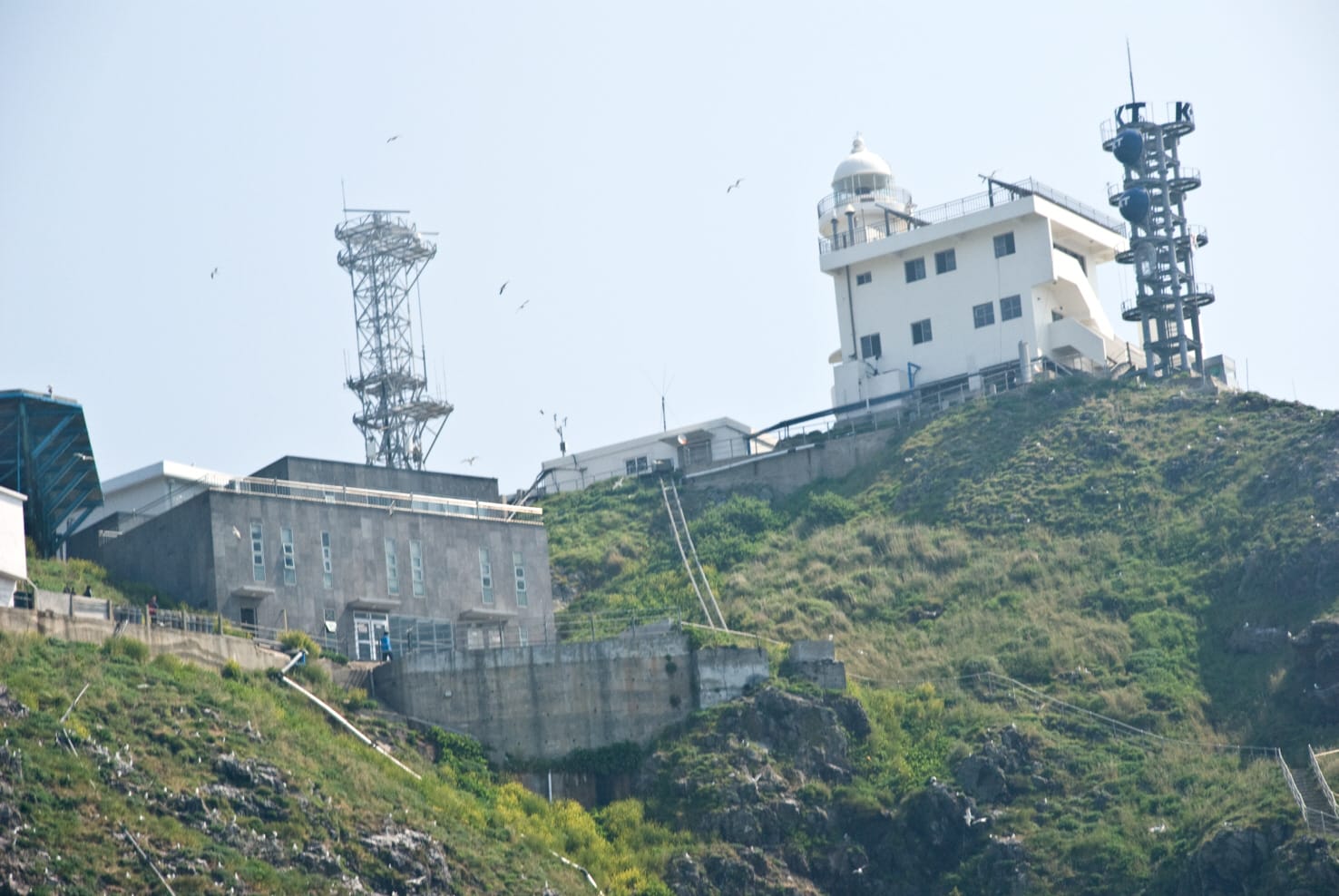
In Tokyo, Prime Minister Sanae Takaichi suggested in a Diet briefing that Japan aims to create the conditions to dispatch cabinet-level officials to Takeshima Day, an annual Shimane Prefecture event that promotes Japan’s sovereignty claim over Takeshima. She also said Japan would work to clearly inform the international community of its territorial claim.
Historically, Japan has sent a vice-minister at Takeshima Day. The prime minister has argued in the past that representation should be raised to ministerial level, though the recent Takeshima Day saw the customary vice-minister-level attendance.
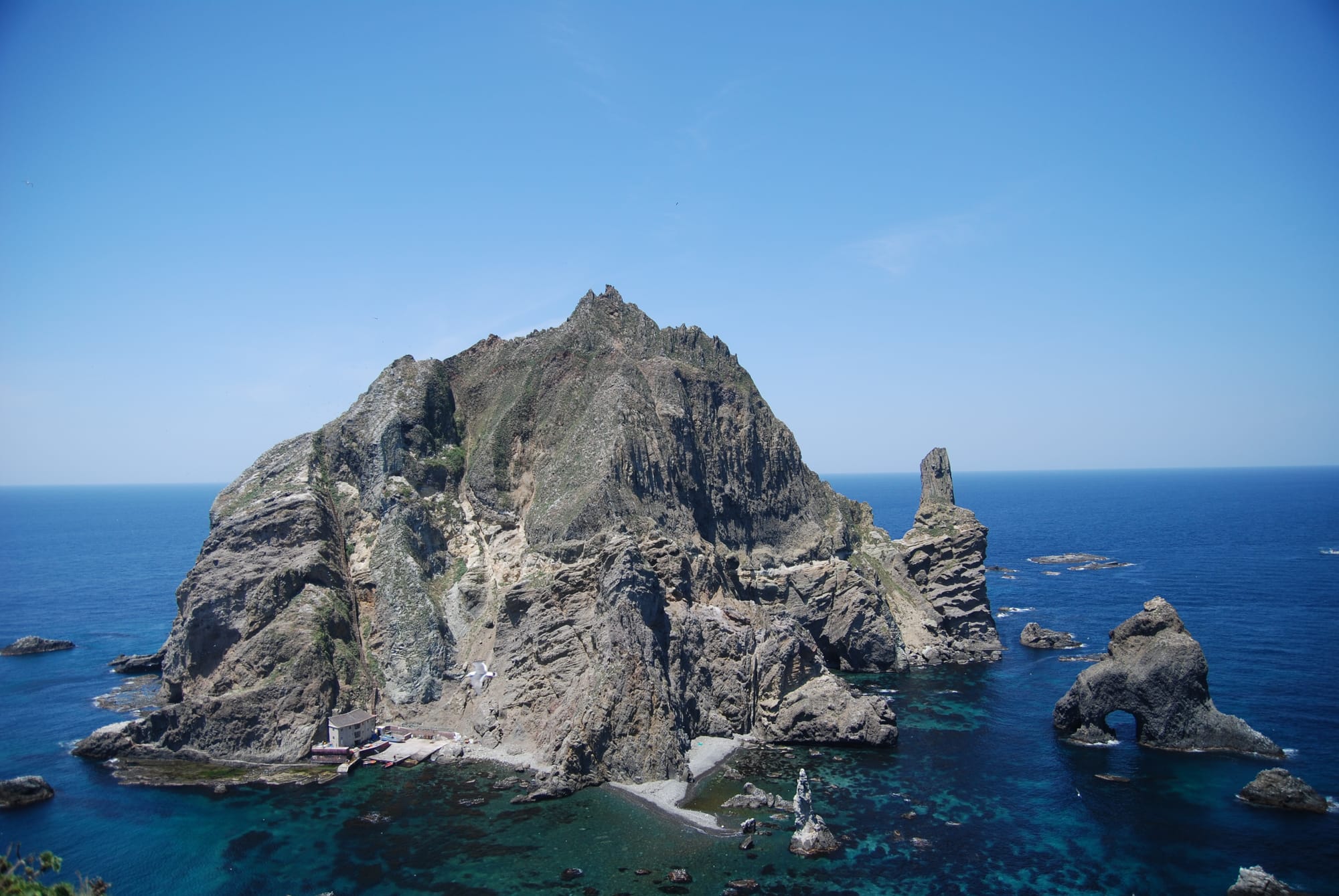
On February 22, the first Takeshima Day after the prime minister’s inauguration, Japan again sent an official at the vice-minister level, continuing the long-standing pattern rather than elevating attendance to a full minister.
For U.S. readers, the dispute matters beyond Korea because it shapes regional security dynamics and alliance coordination among Washington, Seoul, and Tokyo. Territorial tensions complicate trilateral diplomacy, intelligence sharing, and contingency planning in East Asia as Washington seeks to counter North Korean provocations and a more assertive China. The dispute also touches on broader policy issues, including how allied partners synchronize messaging and actions on sovereignty, regional security guarantees, and stability that affect trade routes and technology supply chains. Dokdo/Takeshima islets are administered by Seoul as Dokdo, while Tokyo calls them Takeshima, with Shimane Prefecture hosting the annual Takeshima Day event.