KOSPI falls as oil tops $100 amid Middle East tensions; tech stocks weigh.
The Korea Composite Stock Price Index (KOSPI) closed 1.72% lower on Tuesday, at 5,487.24, extending a slide tied to concerns over a spike in oil prices driven by Middle East developments. The index opened at 5,412.39 and briefly fell to 5,392.52 in intraday trading, dipping below the 5,400 level at one point before some stabilization.
Among large-cap issues, the mood was broadly negative. Samsung Electronics fell 2.34%, SK Hynix shed 2.15%, Hyundai Motor slipped 0.77%, LG Energy Solution dropped 3.91%, Samsung Biologics declined 2.03%, and SK Square fell 3.61%. In contrast, Hanwha Aerospace rose 1.57% and Doosan Enerbility climbed 2.9%, lifted by defense and nuclear-energy-related themes.

Trading data showed foreign and institutional investors selling and individual investors buying net. Individuals bought a net 2.458 trillion won, while institutions sold 1.331 trillion won and foreigners sold 1.4654 trillion won, contributing to the downside in the main index.
The KOSDAQ index, which tracks smaller-cap tech and biotech stocks, recovered to close up 0.40% at 1,152.96 after an opening drop of more than 2%. The intraday swing reflected shifting demand within the broader Korean market.
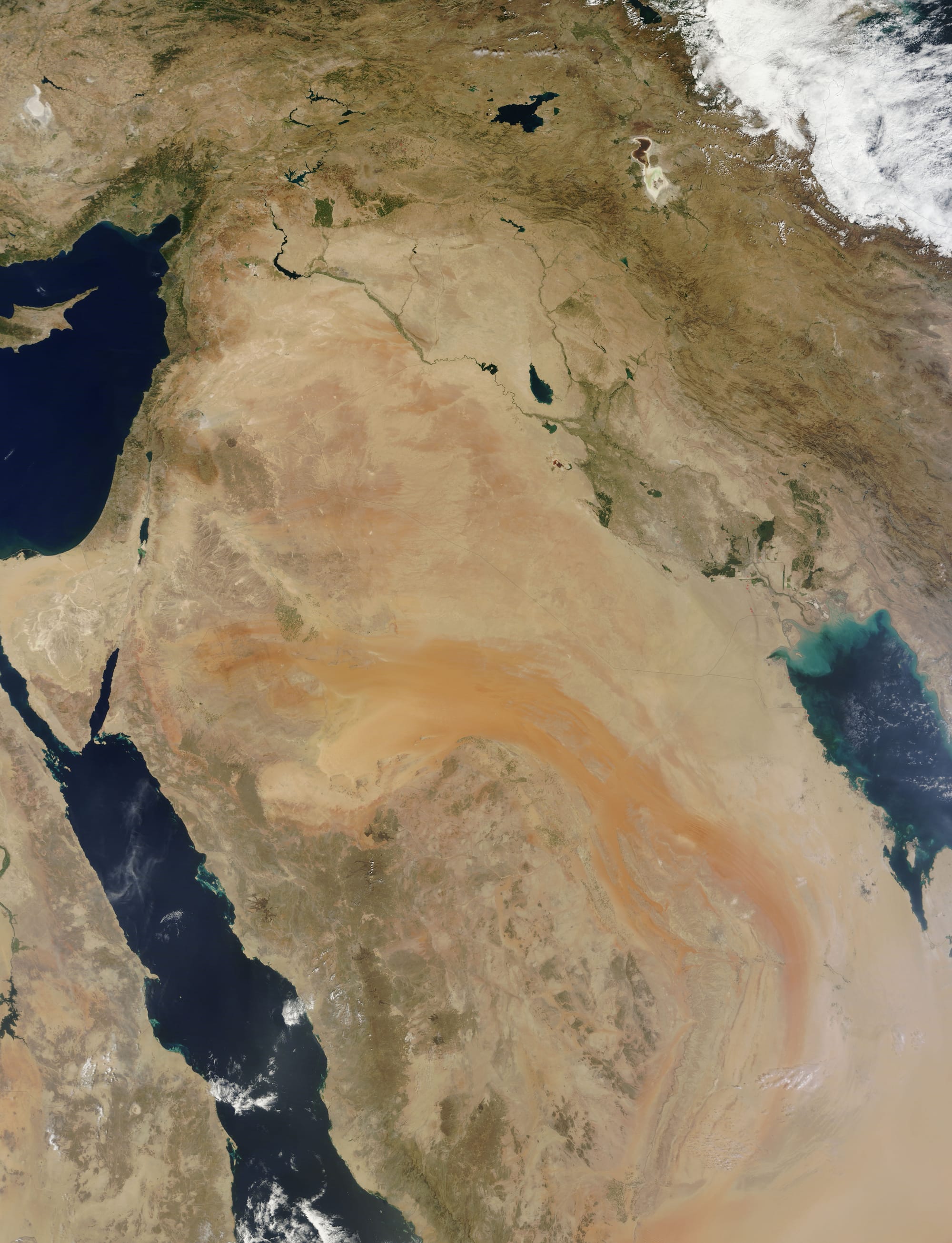
Geopolitical risk factors were cited as the main backdrop for the day’s trading. Oil rose above $100 per barrel as the potential disruption of shipping through the Hormuz Strait intensified concerns over supply. U.S. futures and then New York equities also faced selling pressure, with the Dow Jones Industrial Average closing at 40,677.85, the year’s low, while the S&P 500 and Nasdaq also fell.
Analysts noted that while geopolitically induced volatility remains a concern, market sensitivity appears to be moderating. Some observers described persistent risk imagery from the Middle East as a backdrop, but implied volatility may be stabilizing as investors gauge longer-term implications and potential policy responses.
For U.S. readers, the day’s moves matter because Korea is a central node in global technology supply chains. Samsung Electronics and SK Hynix are among the world’s largest memory-chip and device-manufacturing exporters, meaning Korean market shifts can influence global semiconductor pricing, supply availability, and downstream tech and automotive sectors in the United States. Additionally, higher oil prices and Middle East tensions can affect inflation, energy costs, and Federal Reserve policy, influencing financial markets and capital flows that touch U.S. markets and corporate planning. The day’s developments offer a barometer of global risk sentiment and the resilience of critical tech and energy-linked supply chains.