South Korea to host Indonesian President Prabowo and Macron on state visits
The South Korean presidential office announced that Indonesian President Prabowo Subianto will visit Korea as a state guest from January 31 to February 2, followed by French President Emmanuel Macron, who will visit on February 2 and 3. The announcements were made by Cheong Wa Dae, the Blue House, in a written briefing on January 13.
The two visits follow prior engagement with a South Korean leader during the APEC summit held in Gyeongju last October, when Prabowo and Macron held talks with the same president. The new visits are described as state visits, with related ceremonial and diplomatic activities planned.
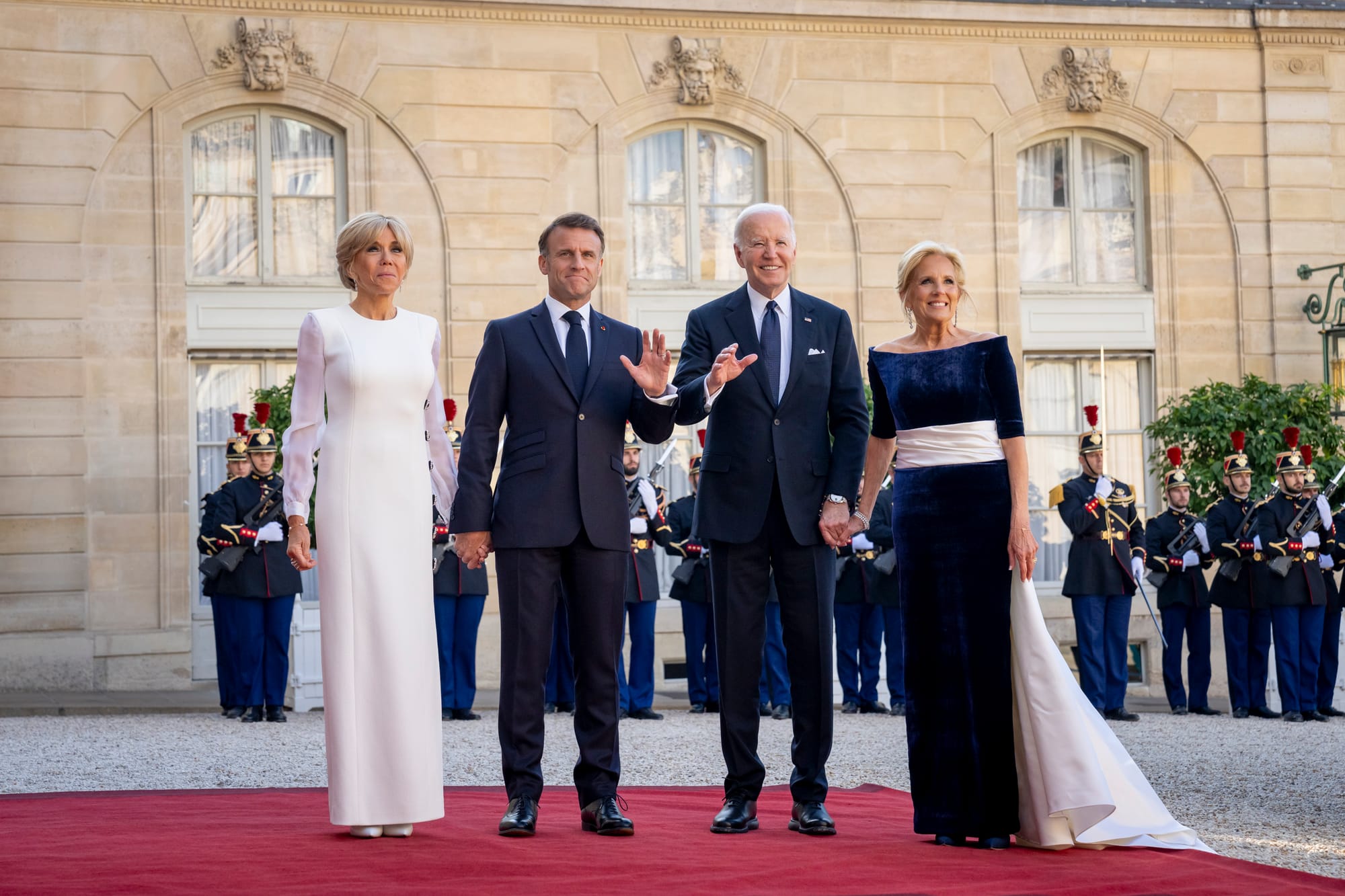
For Prabowo, the itinerary includes an official welcoming ceremony on February 1, a summit, a signing ceremony for memoranda of understanding, and a state luncheon. For Macron, the visit runs February 2–3, with a similar schedule of an official welcoming ceremony, talks, a signing ceremony for treaties and MOUs, and a state luncheon.
Macron’s trip is notable for being France’s first visit to Korea in 11 years, and the first European head of state to visit Korea since a new government took office. The French president’s visit is described as the first European state visit under Korea’s current administration.
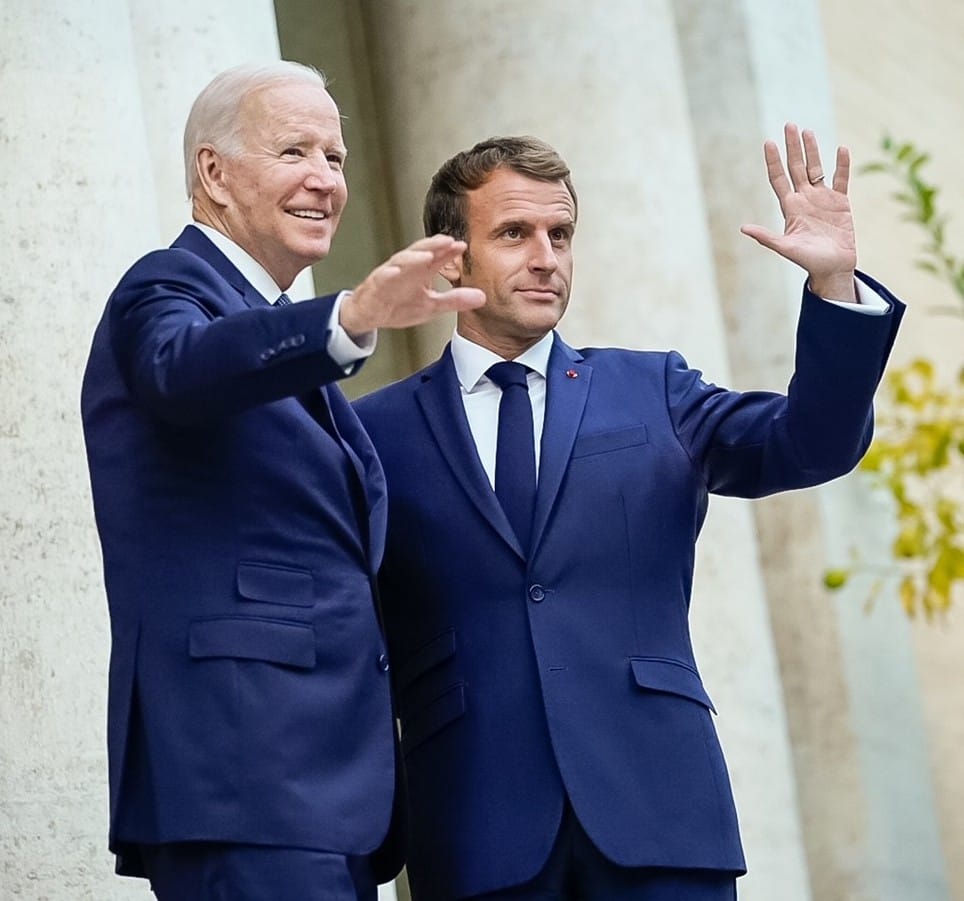
Beyond Korea, the episodes matter for U.S. readers because they signal expanding and diversified diplomatic and economic engagement for a major U.S. ally on the Asian and European fronts. Indonesia represents a large Southeast Asian market and partner in regional supply chains, while France connects Korea to Europe’s technology, defense, and climate cooperation ecosystems. The arrangement could affect regional trade routes, technology partnerships, and security collaborations in the Indo-Pacific.
In practical terms, the visits may yield formal agreements in areas that intersect with American interests, such as advanced materials, energy and infrastructure cooperation, and regional security dialogue. They also reflect Korea’s broader diplomatic strategy to fortify links with key regional and global powers amid evolving U.S.-China competition and global supply-chain realignments.