South Korea opens channel to challenge final Supreme Court rulings, signaling backlog risk.
South Korea began implementing a package of judicial reforms, including a new remedy that allows petitions to the Constitutional Court regarding final Supreme Court rulings. On the rollout’s first day, the 12th, a notice about the partially amended Constitutional Court Act (referred to as “재판소원”) was placed at the Constitutional Court’s desk in Jongno, Seoul.
By the next day, the system had drawn rapid attention: the Constitutional Court said 20 재판소원 cases had been filed. Among them were a deportation and protective-order case brought by a foreign national from Syria, and a separate case filed by bereaved relatives of a kidnapped fisherman seeking to overturn a denial of criminal compensation and government liability.
The court estimates the new mechanism could bring in roughly 10,000 to 15,000 petitions a year, a volume about four times the current level of activity. That projection underscores the potential for a substantial increase in cases that the Constitutional Court must review and decide.
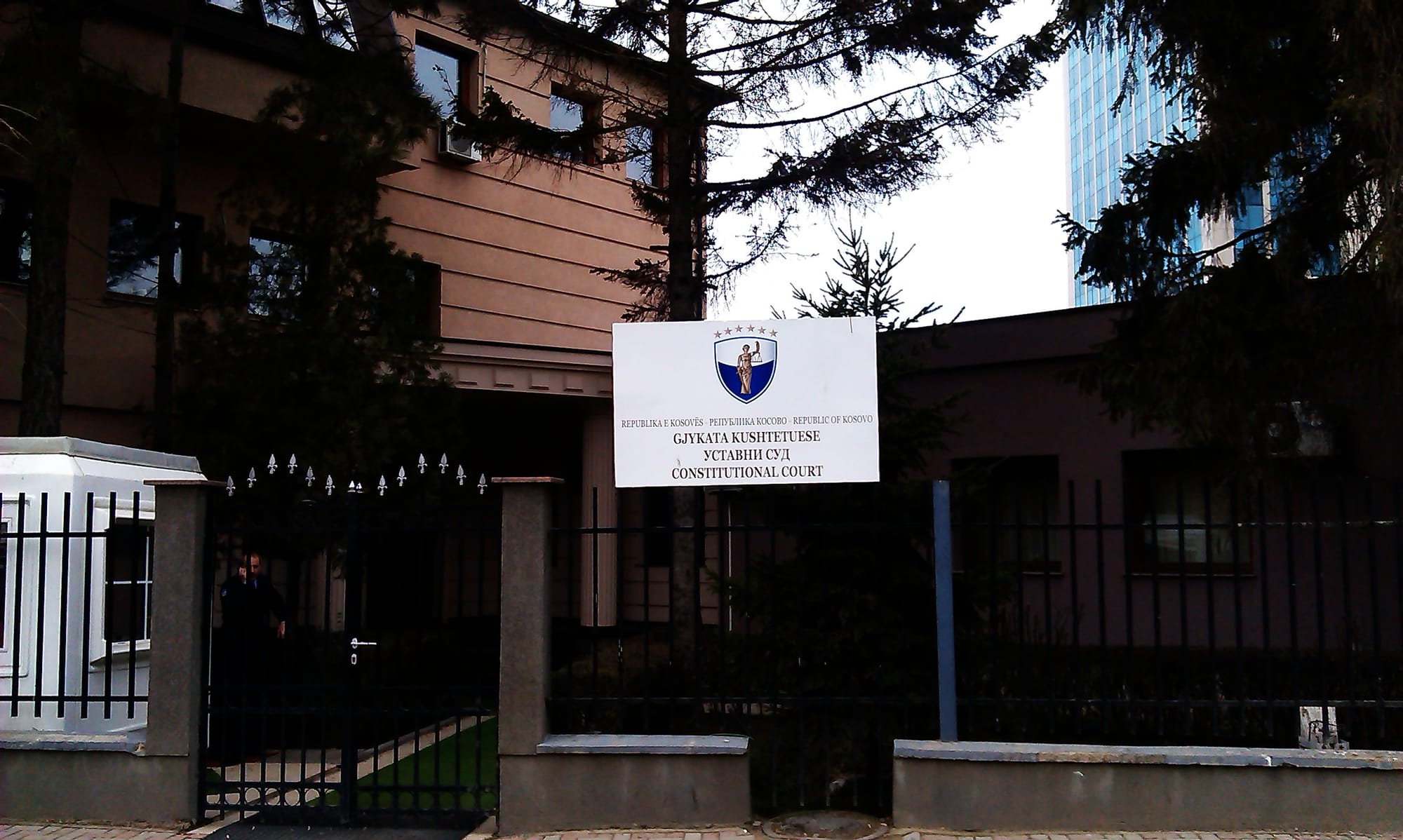
Even before this mechanism, the court already faced significant delays. In 2022, the court handled 3,111 cases with an average processing time of about 168 days overall. For cases that reach the merits after initial court review, the average rose to about 753 days—more than two years—raising concerns about litigation costs and the possibility of defendants and plaintiffs using delayed outcomes as a strategy.
Experts say that without rapid staffing and logistical support, the new influx could overwhelm the system. The Constitutional Court employs a small pool of constitutional researchers (헌법연구관), currently 89 in number, of which only 64 meet the statutory qualification to serve as judges. If thousands of additional petitions arrive, workload pressures are likely to mount.

Lawyers and analysts also emphasized administrative and interagency challenges. Beyond the researchers, administrative staff would need to grow to handle filing, notification, and post-decision work, and closer cooperation between the courts and the Constitutional Court would be essential to move records efficiently.
Some observers argue that the system will stabilize once case law develops and the process matures. Others caution that in the early stages it is still too soon to judge, noting that even modest daily intake could become heavy if the backlog materializes quickly.
For U.S. readers, the development matters because Korea’s judiciary is a major arena for foreign investment, multinational commerce, and cross-border disputes involving Korean entities. The new “재판소원” channel could affect how quickly and predictably legal challenges to final court decisions are resolved, with implications for regulatory risk, compliance, and the cost of doing business in Korea. As Korea’s legal framework evolves, international companies will want to monitor how the Constitutional Court copes with higher caseloads and how this affects the overall climate for litigation and risk management in one of Asia’s largest economies.