New English Translation Examines U.S. Army Psychiatrist at Nuremberg Trials
A new English translation of a Korean-language book explores the role of a U.S. Army psychiatrist at the Nuremberg trials. Captain Douglas McGlashan Kelly accompanied 22 Nazi defendants to the courtroom, and the work by Jack Ellahy, translated by Chae Jae-yong, is published by Hippocrates at a price of 18,000 won. The book is also described as the basis for the film Nuremberg, starring Russell Crowe and Ramy Malek.
Officially, Kelly’s task was straightforward: keep the prisoners mentally fit so the trials could proceed. But the translator and author frame his journey as more than a clinical assignment. Kelly sought to uncover “common defects” or a predisposition toward evil that might distinguish the perpetrators.
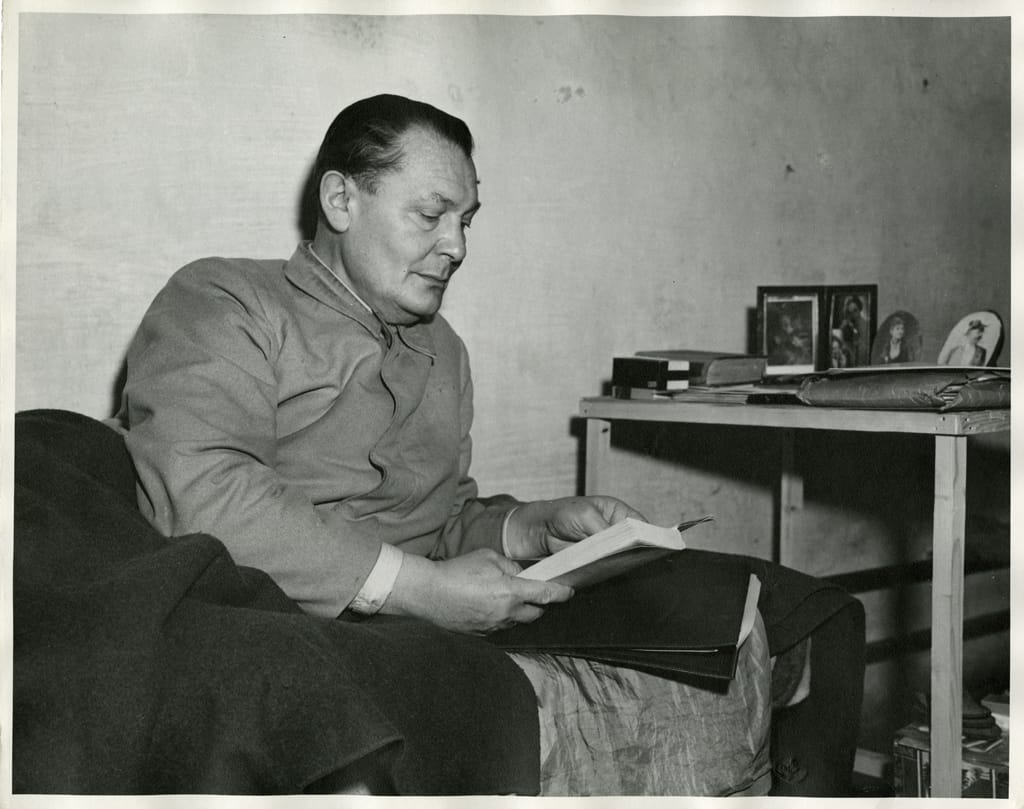
What he found was not a single, consistent evil trait. Instead, he became absorbed by Hermann Göring’s overwhelming charisma and intelligence. Göring held numerous titles—chairman of the Reichstag, prime minister of Prussia, field marshal, among others—and the book details how his personality captivated Kelly. Göring claimed he did not know about the Final Solution, a claim similar to Hitler’s, though the book notes few believed them.
The narrative also delves into other high-profile figures such as Rudolf Hess, Julius Streicher, and Alfred Rosenberg, painting a vivid portrait of the defendants across the trial’s timeline. Ellahy grounds his portraits in historical records, newly obtained documents, and an interview with Kelly’s son, Douglas Kelly Jr., to illuminate pivotal moments in Nuremberg.

Kelly’s conclusion was provocative: “They are not special people.” He argued that anyone who expends immense energy toward power and uses any means at hand could become a Nazi in the right conditions. The book, however, does not fully endorse that claim; instead, it traces the ironies in Kelly’s life—his own career arc, his eloquent condemnations, and his suicide in January 1958 by potassium cyanide.
Beyond Korea, the book matters to U.S. readers for its exploration of war crimes accountability, the psychology of leadership, and the ethical limits of psychiatric assessment in extreme situations. The Nuremberg Trials established a precedent for prosecuting crimes against humanity and raised enduring questions about the influence of charisma and authority on ordinary people. The work offers historical context relevant to contemporary debates over governance, human rights, and the risks of authoritarianism in global security and policy.