One THAAD launcher returns to Seongju after Osan relocation; five others' locations unknown
One of six THAAD launcher vehicles relocated from the Seongju base in North Gyeongsang Province to Osan Air Base in Gyeonggi Province on March 3 has returned to Seongju, according to the Soseong-ri Situation Room, a local group opposed to THAAD. The group said the launcher re-entered Seongju at about 11:25 p.m. on March 12.
As of now, the other five launchers have not returned to Seongju. Their current locations were not specified in the report, and no official statement has indicated when or if they will come back.
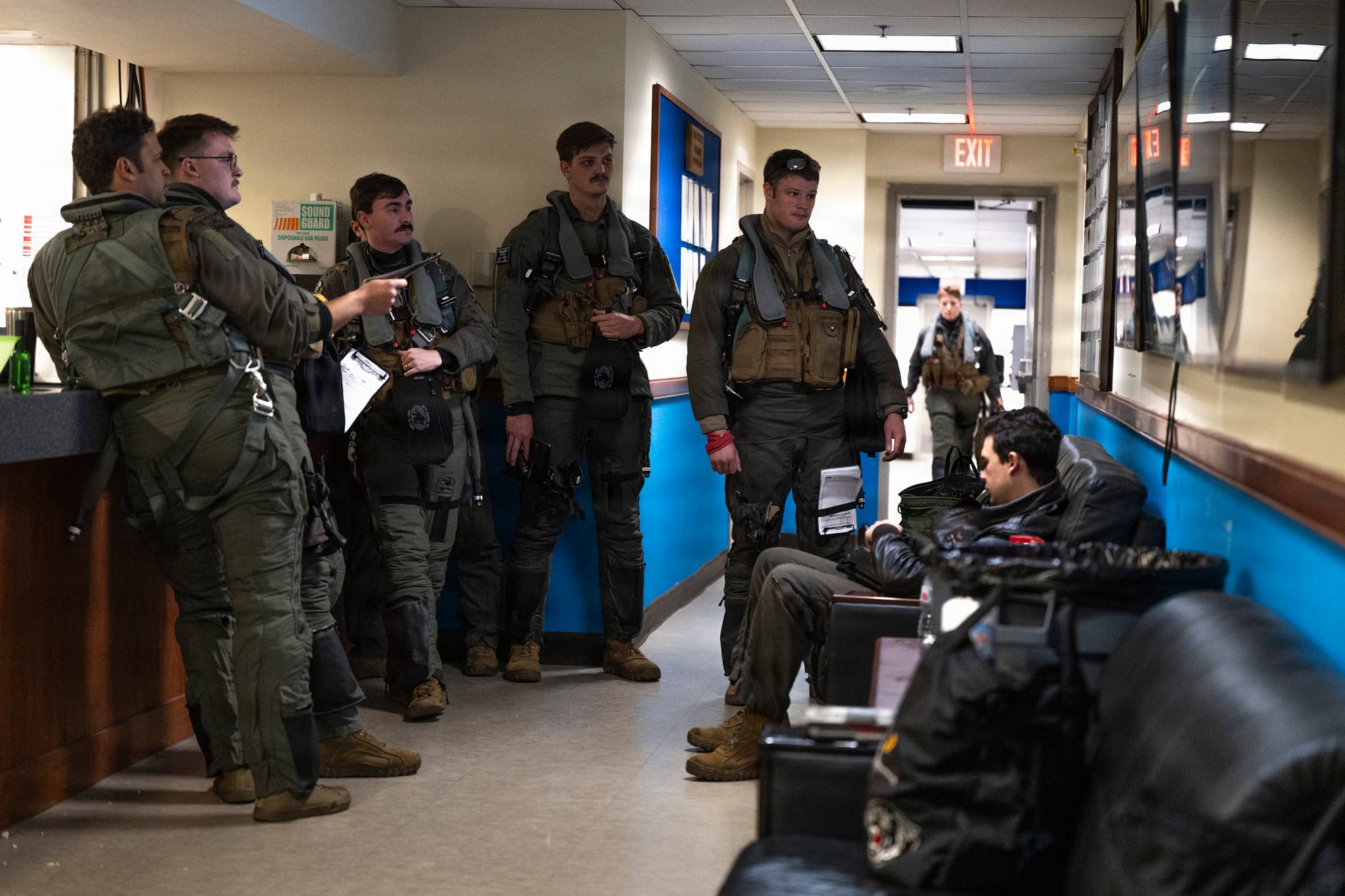
Some observers have suggested that the five remaining launchers could stay at Osan, arguing that the base has the capacity to accommodate large transport aircraft should redeployment become necessary. The note about possible moves references hypothetical scenarios involving THAAD assets in the Middle East.
Since its deployment to Seongju in 2017, THAAD has been a point of domestic contention in South Korea. The system is designed to defend against short- and intermediate-range ballistic missiles, and its operation involves both launcher vehicles and radar equipment located at Seongju.
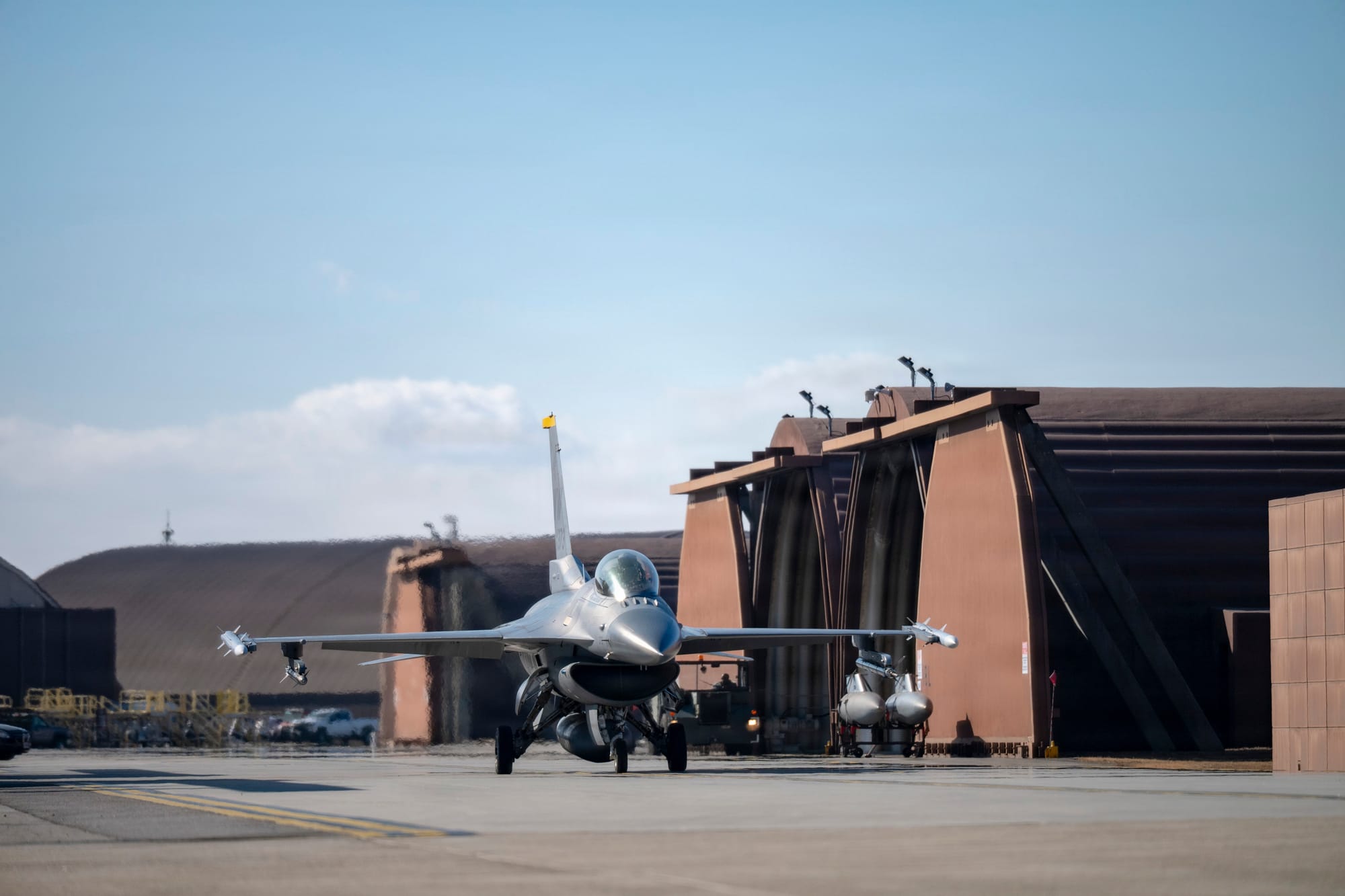
For U.S. readers, the situation matters because THAAD is part of the U.S.–South Korea alliance's defensive posture in the Asia-Pacific. Changes in where launchers are kept or how quickly they can redeploy can affect alliance signaling, regional deterrence, and joint planning with U.S. forces stationed in Korea, including those at Osan Air Base near Pyeongtaek.
The Seongju controversy reflects broader (and ongoing) debates about the balance between extended deterrence for South Korea and domestic opposition to U.S. missile defenses. The current report does not indicate a change in policy from the United States or South Korea, but it underscores how alliance posture and public sentiment continue to shape operational decisions around THAAD.