Daegu civil servant found dead at Beomeo-dong annex, Suseong District Office; autopsy planned
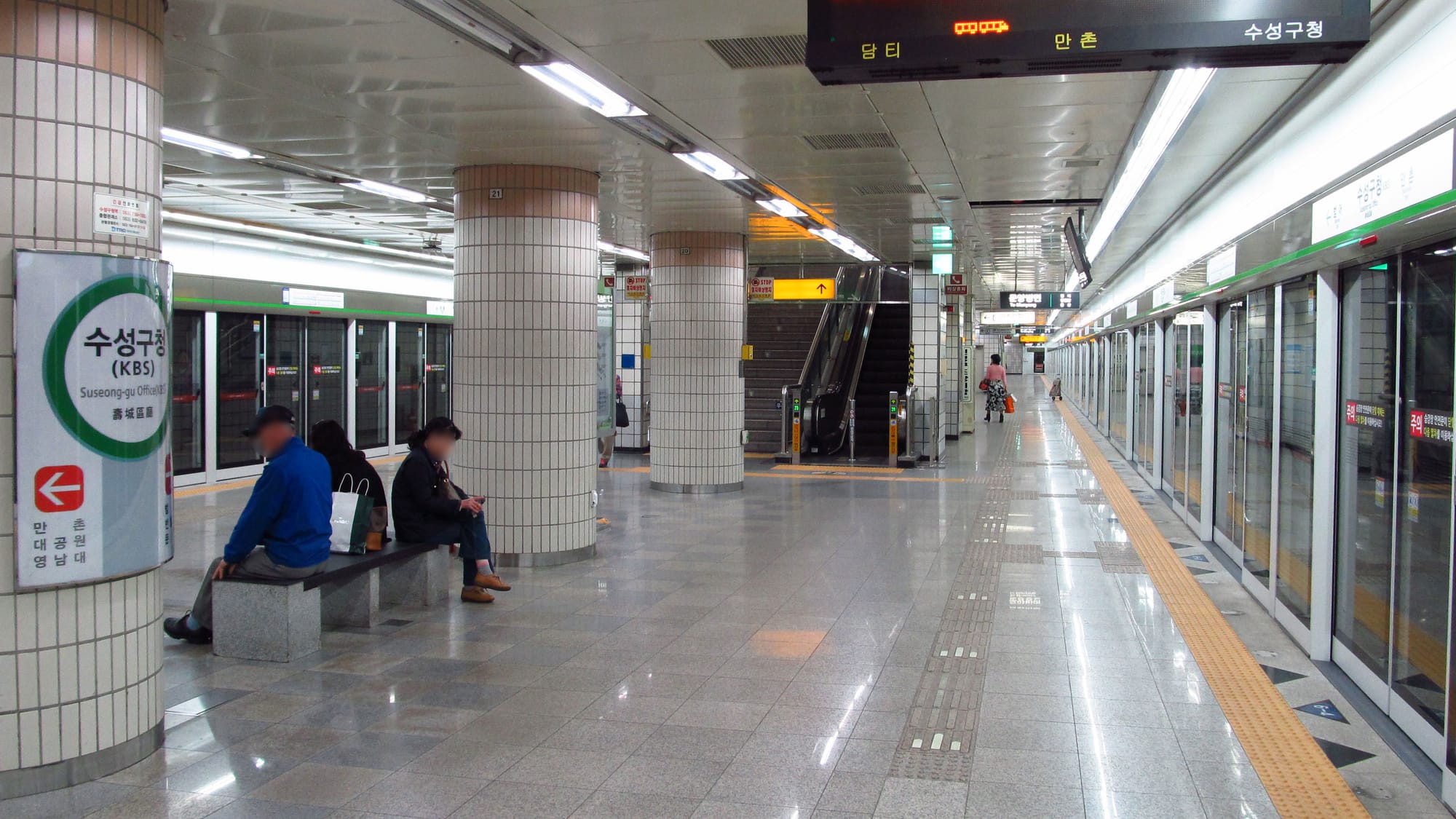
A civil servant in his 30s was found dead Thursday morning on the fourth-floor office space of the Beomeo-dong annex of Daegu’s Suseong District Office, police said.
The deceased, identified only as A, was a public employee affiliated with the Suseong District. A cleaning worker found him unconscious and alerted emergency services after discovering the body.
Police said A had felt unwell while working late the previous evening and used his cellphone to report to 119, South Korea’s emergency medical service, around 11:30 p.m. He experienced difficulty speaking due to vomiting, and authorities say he could not clearly convey his location.
Investigators noted that A had a preexisting medical condition and had eaten a late hamburger. At the scene, remnants of the hamburger and traces of blood in vomit were found. Police believe the food may have become lodged in his throat, contributing to his inability to speak.
Fire authorities attempted to locate him using GPS tracking and made eight calls to his phone, but could not reach him. At about 11:40 p.m., 119 crews went to the district office to search for him but were unable to locate him and handed the case to police around midnight before departing.

Police and emergency response teams secured CCTV footage from inside the annex and reviewed dispatch records to establish the timing of his death and the sequence after the 119 call. Officials said there were no signs of external trauma or foul play, and no suicide note has been found. An on-site examination and an autopsy are planned to determine the exact cause of death.
Context for international readers: Daegu is South Korea’s fourth-largest city, and the Suseong District Office functions as a local government facility serving a large urban population. This incident highlights the coordination between local government offices, EMS, and police in responding to sudden-health crises involving public-sector workers, including the use of GPS-based location tracking and CCTV evidence in investigations. For U.S. audiences, the case underscores ongoing concerns about late-night workplace health and safety, emergency-response effectiveness, and how death investigations are conducted when the cause is not immediately clear.