South Korea's KAIST president stays on as successor search proceeds to ensure stability
KAIST said that President Lee Kwang-hyung will remain in his post until a successor is appointed, following the board’s request for continuity during a critical period.
The university described the move as a measure to maintain stability in operations and minimize disruption to teaching and research on the ground.
Lee had signaled his resignation after the board failed to approve the appointment of a new president on the 27th of last month, according to KAIST.
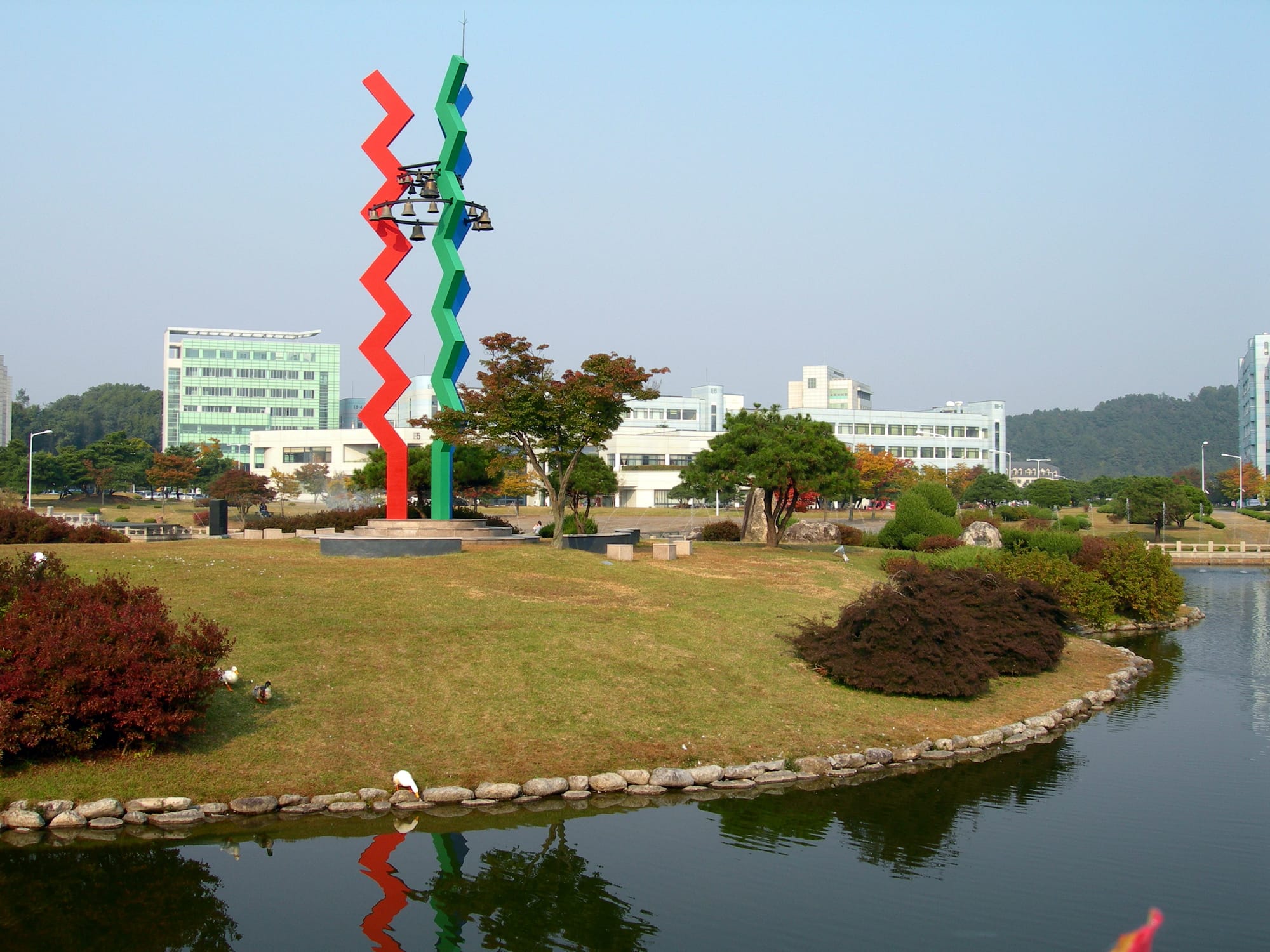
KAIST is South Korea’s leading science and technology university, based in Daejeon, and plays a central role in the country’s research ecosystem and its linkages with government and industry.
For the United States, the situation matters because KAIST is a major hub for advanced research in areas such as artificial intelligence, robotics, and semiconductors, and it maintains collaborations with U.S. universities and tech firms that influence joint projects, talent pipelines, and technology supply chains.
Leadership changes at flagship institutions like KAIST can affect funding priorities, research agendas, and international partnerships, with implications for bilateral science and technology cooperation.
In broader terms, the interim arrangement underscores how governance at Korea’s premier research universities can have ripple effects on global innovation, academic exchange, and strategic tech sectors shared with the United States.