KAIST president to remain in office amid delayed successor selection
KAIST President Lee Kwang-hyung has reversed his decision to resign and will continue to serve as president until a successor is appointed, the Korea Advanced Institute of Science and Technology said on March 13. The university cited the need to maintain stability while the presidential selection process is delayed.
The move aims to safeguard routine university operations and minimize disruption to teaching and research as governance changes and the selection process unfold. KAIST noted that the delay in appointing a new leader had raised concerns among faculty, students, and supporters.
Lee said he understands the growing worries about the delay and the confusion it has caused. He explained that, while he had previously offered to take moral responsibility and step down, ongoing discussions about the presidential selection system and governance changes had amplified concerns about a leadership gap.
He added that maintaining stability during this period is essential, and he accepted the board’s request to remain in office until the next president is chosen. He stressed his commitment to ensuring seamless operations through the transition.
Lee also warned that continued uncertainty could burden education and research activities and might affect KAIST’s role in national science and technology policy, including the government’s AI strategy described as the “AI 3강” or AI Three-Pillars plan. He said the university must not waver in its contribution to national priorities.
Earlier, at a KAIST board meeting on the 26th of last month, the appointment of a new president from a slate of three candidates failed to materialize, and Lee announced his resignation with plans to step down on the 16th. The board’s intervention to keep him in place aims to avoid disruption during the transition.
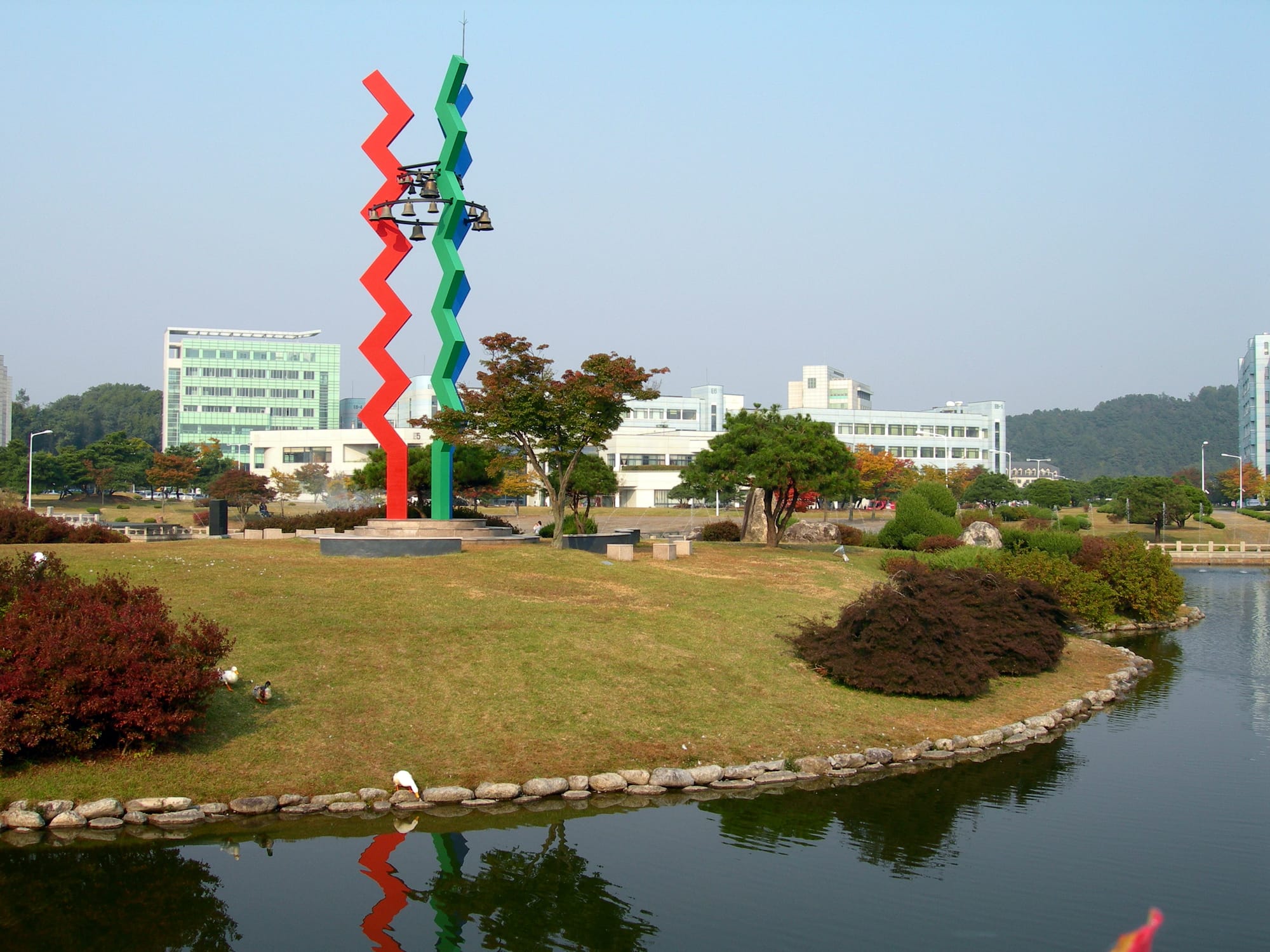
KAIST, based in Daejeon, is Korea’s premier science and engineering university and a major driver of advanced research in artificial intelligence, semiconductors, and biotechnology. For U.S. readers, the episode underscores how leadership changes at Korea’s leading tech institutions can influence international research collaborations, talent pipelines, and the pace of joint AI and tech initiatives in a closely watched arena of global technology competition.