Iranian drone intercepted over Dubai DIFC; banks shift to remote work.
On the 13th, an Iranian drone intercepted over Dubai’s International Financial Centre (DIFC) was shot down, and debris from the interception struck a downtown Dubai building, causing minor damage to its exterior. No injuries were reported. Authorities did not disclose whether the target was a missile or a drone.
The Dubai Government Media Office said there was a “successful interception” and that debris hit a nearby building in the city center with no casualties. The exact target of the interception was not released.
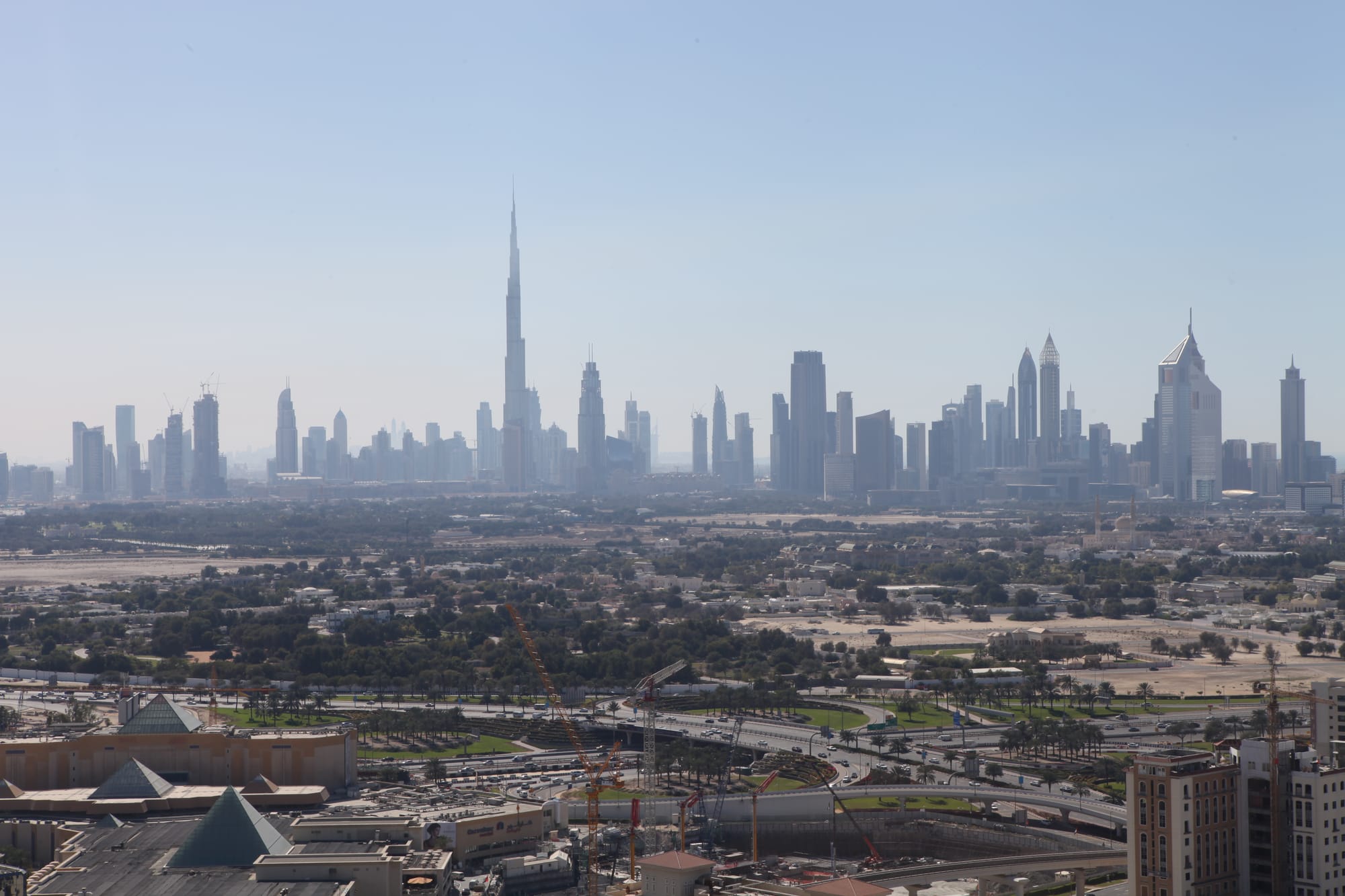
Banks and financial firms with offices in the DIFC reported no direct damage to their premises. Global institutions such as Goldman Sachs and Citigroup, which have presences in the DIFC, shifted to remote work for staff in the affected area.
Woori Bank, which operates a branch in the DIFC, noted that the closest attacked building was about one kilometer from its Dubai office. The bank said there were no casualties or damage to its premises; its Dubai staff are working remotely from Mumbai, and local employees have moved to remote work under an emergency contact protocol. Woori had preemptively arranged for the return of employees’ families to Korea in response to tensions in the region.
Shinhan Bank reported its Dubai branch is nearby but in a different building within the same DIFC district, saying the attacked building is in the DIFC but not its own office. Korean staff at Shinhan have been working remotely.

Hana Bank’s Dubai branch is described as being farther from the attack site and reported no damage. Local authorities said there has been no confirmed damage to domestic banks operating in Dubai.
For U.S. readers, the incident highlights how geopolitical tensions in the Middle East can affect international finance hubs. The DIFC is a major global financial center in the United Arab Emirates, housing numerous Western and Asian banks and investment firms. Even when direct damage is limited, disruptions to office operations and broader risk perceptions can influence regional supply chains, risk insurance costs, and the continuity planning of multinational banks with exposure to Gulf markets. The event also underscores the continuing security considerations surrounding foreign banks and their staff in the region.