HD Hyundai Eyes Gunsan Shipyard Asset Transfer Under MOA
Eco Prime Marine Pacific has signed a memorandum of understanding with HD Hyundai Heavy Industries to pursue an asset transfer of the Gunsan shipyard, marking the first step toward a potential full acquisition. A final agreement would follow after due diligence and closer inspection of the yard’s assets and operations.
The Gunsan shipyard sits in the Gunsan National Industrial Complex in North Jeolla Province. Hyundai Heavy Industries built the facility in 2010, but its operations were halted in 2017 amid a downturn in Korea’s shipbuilding sector. Since 2022, it has operated in a limited, block fabrication mode.
The yard is home to a 700-meter dry dock and can assemble about 250,000 tons of ships annually. It is regarded as capable of producing roughly 12 ships per year in the 180,000-ton class bulk carrier category. Beyond its traditional role, there have been proposals to expand its use into specialized and purpose-built vessels, with broader discussions tied to Korea-U.S. cooperation under the MASGA framework, which envisions stronger collaboration to revitalize American shipbuilding.
Under the MOA disclosed by Eco Prime Marine Pacific, HD Hyundai Heavy Industries would, for three years, place orders for block production at Gunsan and provide design technology support, raw material procurement services, and smart-ship technology assistance. HD Hyundai officials say asset transfer could enable new shipbuilding at Gunsan, and that the company would continue to receive the same volume of blocks after the transfer, aiming for a mutually beneficial outcome for the parties and the Gunsan community.
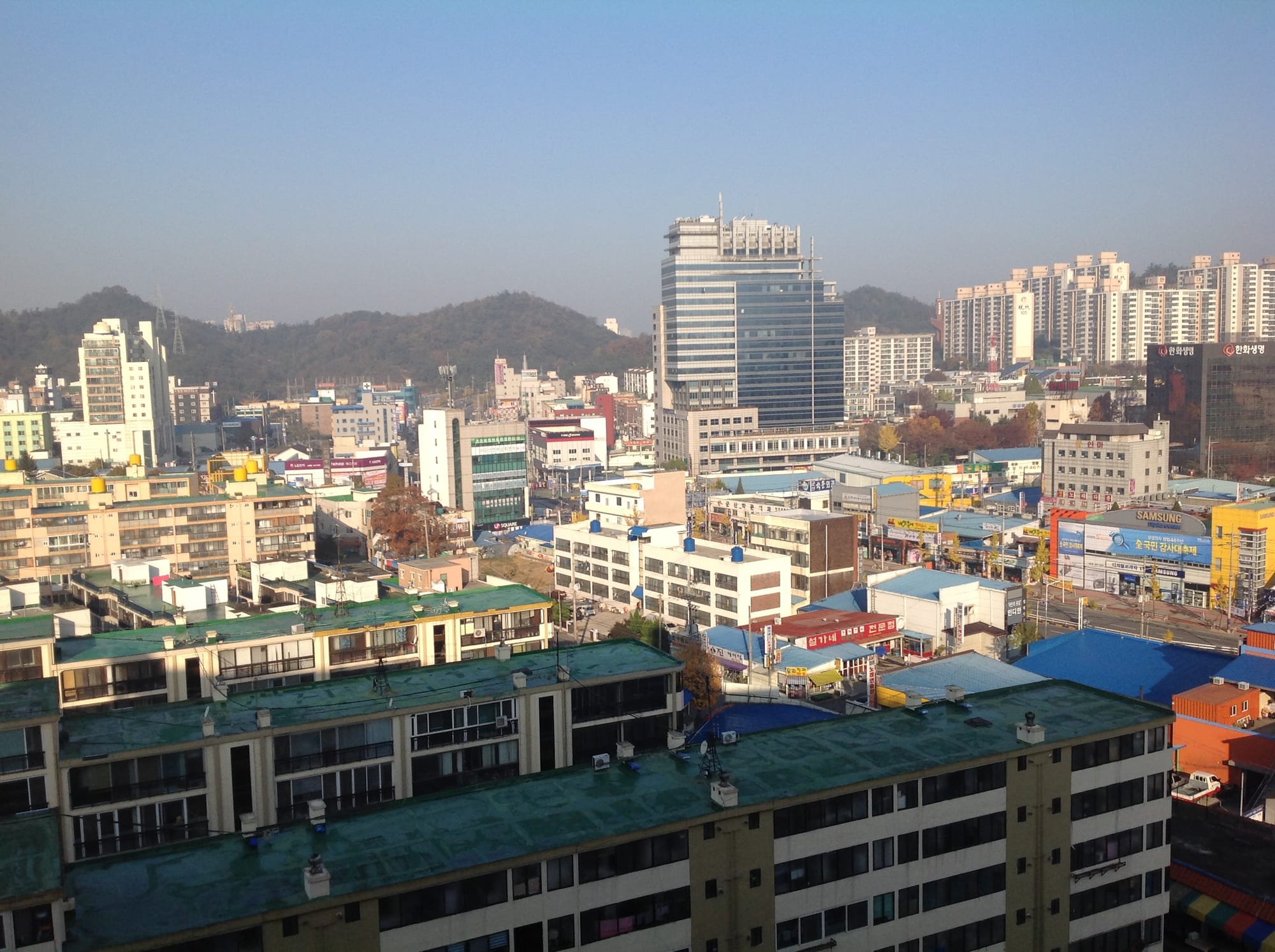
Local industry voices have welcomed the move, with the Jeonbuk Regional Chamber of Commerce suggesting that revitalizing Gunsan could spur regional economic activity. Officials noted that with sustained government and local backing, Gunsan could rise as a flagship shipyard for Korea.
For U.S. readers, the deal matters beyond Korea because it aligns with broader defense and supply-chain considerations in the Asia-Pacific. The MASGA discussions reflect a push to deepen Korean-U.S. cooperation in shipbuilding and ship maintenance, which could influence where and how U.S. Navy assets are serviced in the region, and how regional shipbuilding capacity supports allied defense needs. The MOA remains a preliminary step, contingent on due diligence and eventual regulatory approvals, with HD Hyundai, Eco Prime Marine Pacific, and Gunsan authorities watching closely.