Gunsan Shipyard Revival Moves Ahead under MASGA, Boosting Korea-US Shipbuilding Ties
EcoPrime Marine Pacific and HD Hyundai Heavy Industries have signed a memorandum of agreement to transfer assets of the Gunsan shipyard in North Jeolla Province, a move that would flag a restart of new shipbuilding at the facility. The sale price is expected to be in the range of 700 billion to 1 trillion won, with final terms to be set after due diligence. Officials described the agreement as a milestone in reviving Gunsan’s shipbuilding operations, potentially opening the door to a broader Korea-U.S. collaboration in shipbuilding under the MASGA project.
Gunsan Shipyard, located in the coastal city of Gunsan, was established in 2010 within a large industrial complex spanning about 1.8 million square meters. The yard was shut for several years amid a downturn in the global shipbuilding market but began partial reactivation in October 2022, producing ship blocks at roughly 100,000 tons per year. It houses a 700-meter dry dock, among the largest in Korea, and facilities including a 1,650-ton crane and a 1.4-kilometer quay, enabling the concurrent construction of multiple large vessels.
EcoPrime Marine Pacific is the largest shareholder of HJ Heavy Industries, a shipbuilder known for eco-friendly container ships and LNG carriers. The asset transfer would allow EcoPrime to operate two shipyards, expanding its footprint to Busan’s Yeongdo yard in addition to Gunsan, and positioning the group as a major global player in shipbuilding.
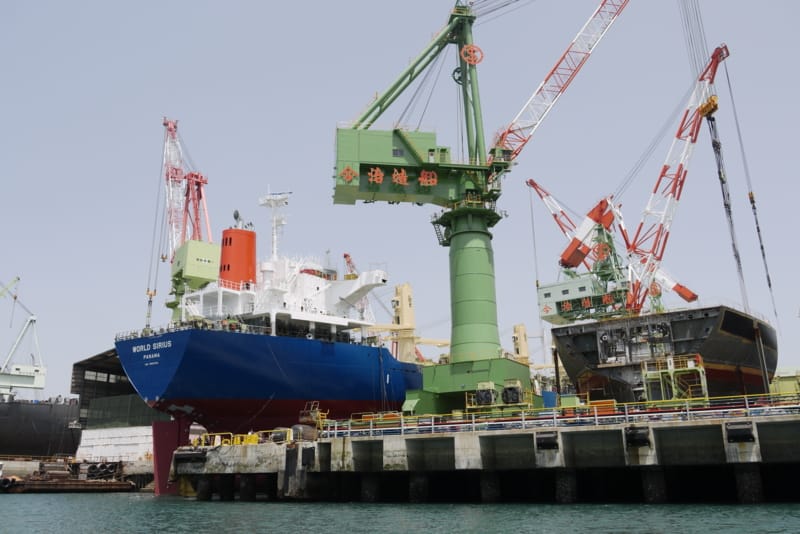
Under the proposed arrangement, HD Hyundai Heavy Industries will continue to place orders with Gunsan for about 100,000-ton ship blocks over the next three years. In addition to blocks, HD Hyundai would provide design services, procure raw materials, and offer automation and smart-shipyard technology support as part of the transition. An HD Hyundai official said the transfer could enable ongoing ship production at Gunsan and that the company would maintain its current level of block orders, creating a potential win-win for the company, EcoPrime, and the local government.
Locally, the reaction has been positive. Gunsan City and the local business community have welcomed the development as a potential catalyst for regional economic revival. In recent years, Gunsan has attracted investments from dozens of firms, including LG Chem, HD Construction Machinery, DS Danyang, and SeAH Steel, with 55 companies committing to invest about 12.36 trillion won in the 2023–2025 window. Officials say revitalizing the shipyard would boost employment and broader industrial activity.
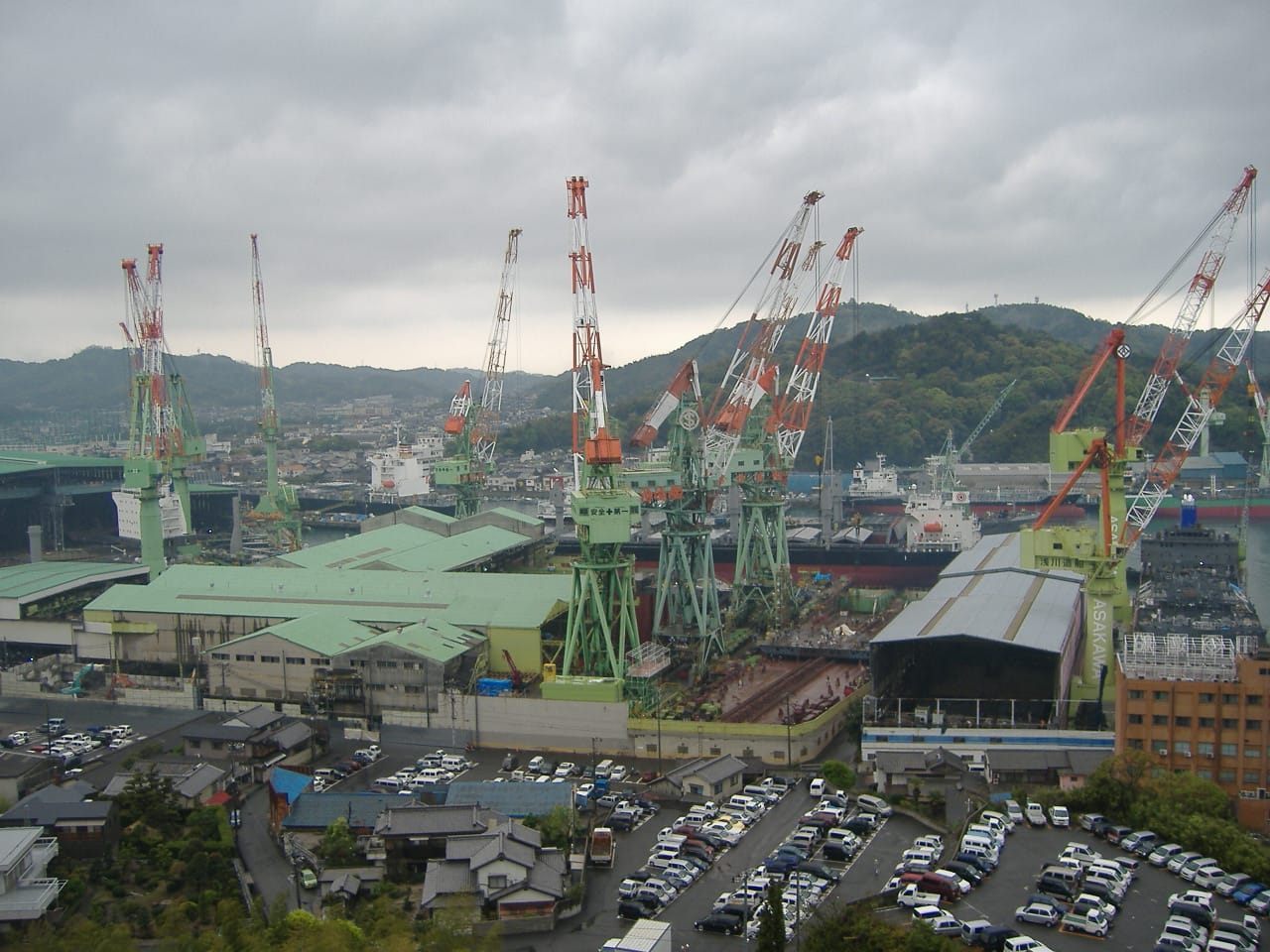
Some observers see a broader strategic dimension tied to the MASGA project, which envisions cooperation between Korea and the United States in shipbuilding and related services. Utilizing Gunsan for U.S. Navy ship maintenance, repair, and overhaul could elevate the city’s role as a regional hub for Korea’s shipbuilding ecosystem, reinforcing security ties and defense collaboration with the United States.
For U.S. readers, the development matters beyond Korea because it highlights how major South Korean shipyards underpin global supply chains for commercial vessels and defense-related work alike. The Gunsan deal could influence the availability of LNG carriers and eco-friendly ships, and it introduces the possibility of expanded U.S. Navy maintenance access in Northeast Asia, with implications for defense logistics, interoperability, and regional economic stability.
The MOA signals a crucial step toward reactivating Gunsan’s legacy shipbuilding capacity. Final sale terms will follow ongoing due diligence, but the agreement already signals a potential shift in Korea’s industrial map, with possible repercussions for regional employment, the global shipbuilding market, and Korea-U.S. defense and economic cooperation.