Iran began laying mines in Strait of Hormuz, U.S. officials say.
New York Times reporting, citing U.S. government officials, says Iran began laying mines in the Hormuz Strait starting yesterday, using small boats. The report adds that the Islamic Revolutionary Guard Corps, beyond its regular warships, can mobilize thousands of small vessels for operations.
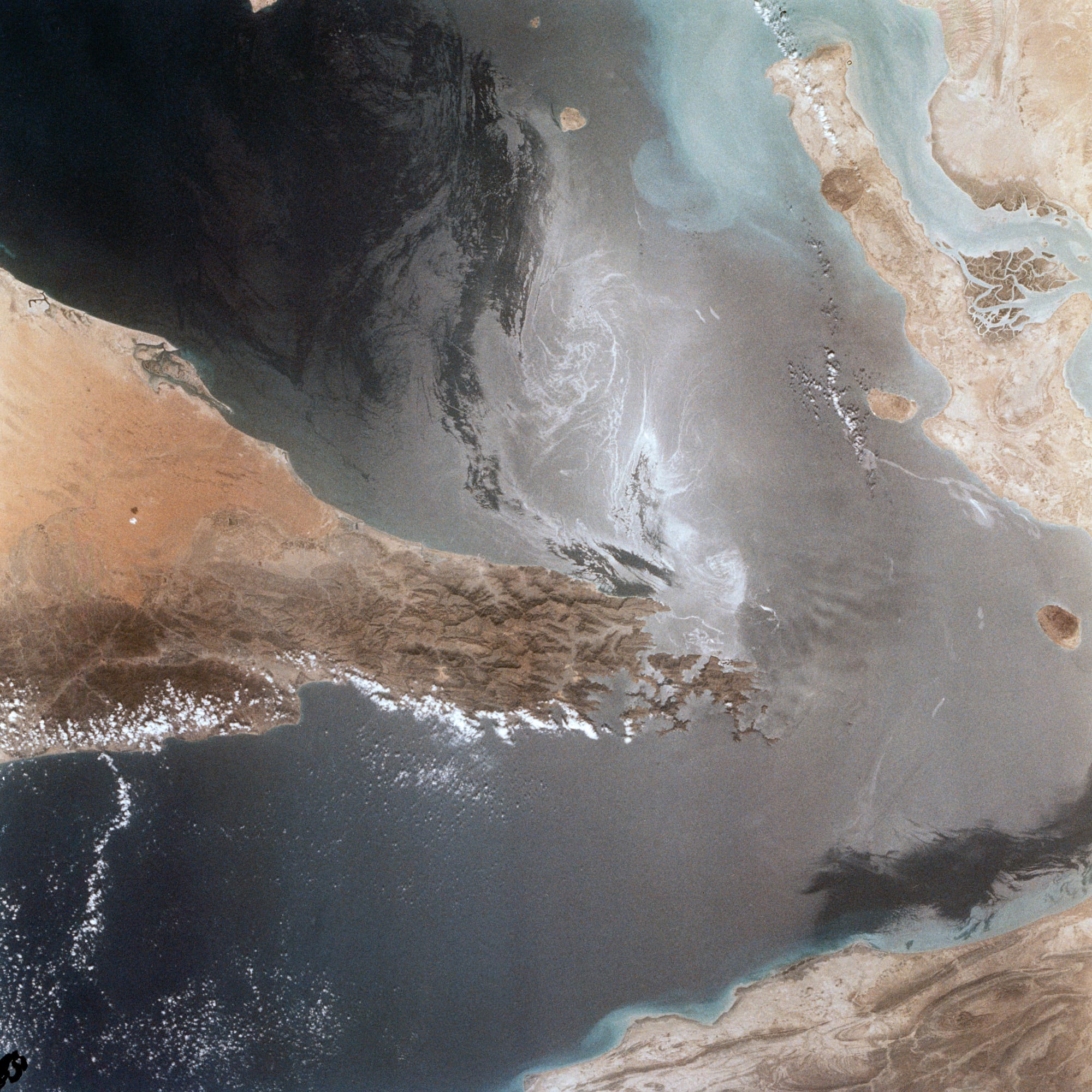
The Hormuz Strait, a crucial chokepoint through which about 20 percent of global seaborne oil passes, narrows to roughly 33 kilometers at its tightest. The passage for commercial ships is effectively a corridor of around 6 kilometers, making even a modest mine threat potentially disruptive to tanker traffic.
Since last month, U.S. authorities have publicly contested Iran’s mining capabilities, insisting no mines remain in the strait after carrying out airstrikes that targeted Iranian mine-laying vessels. President Donald Trump, reacting to a surge in oil prices, claimed that most of Iran’s mine-laying ships had been removed and that 59 to 60 ships had been destroyed.
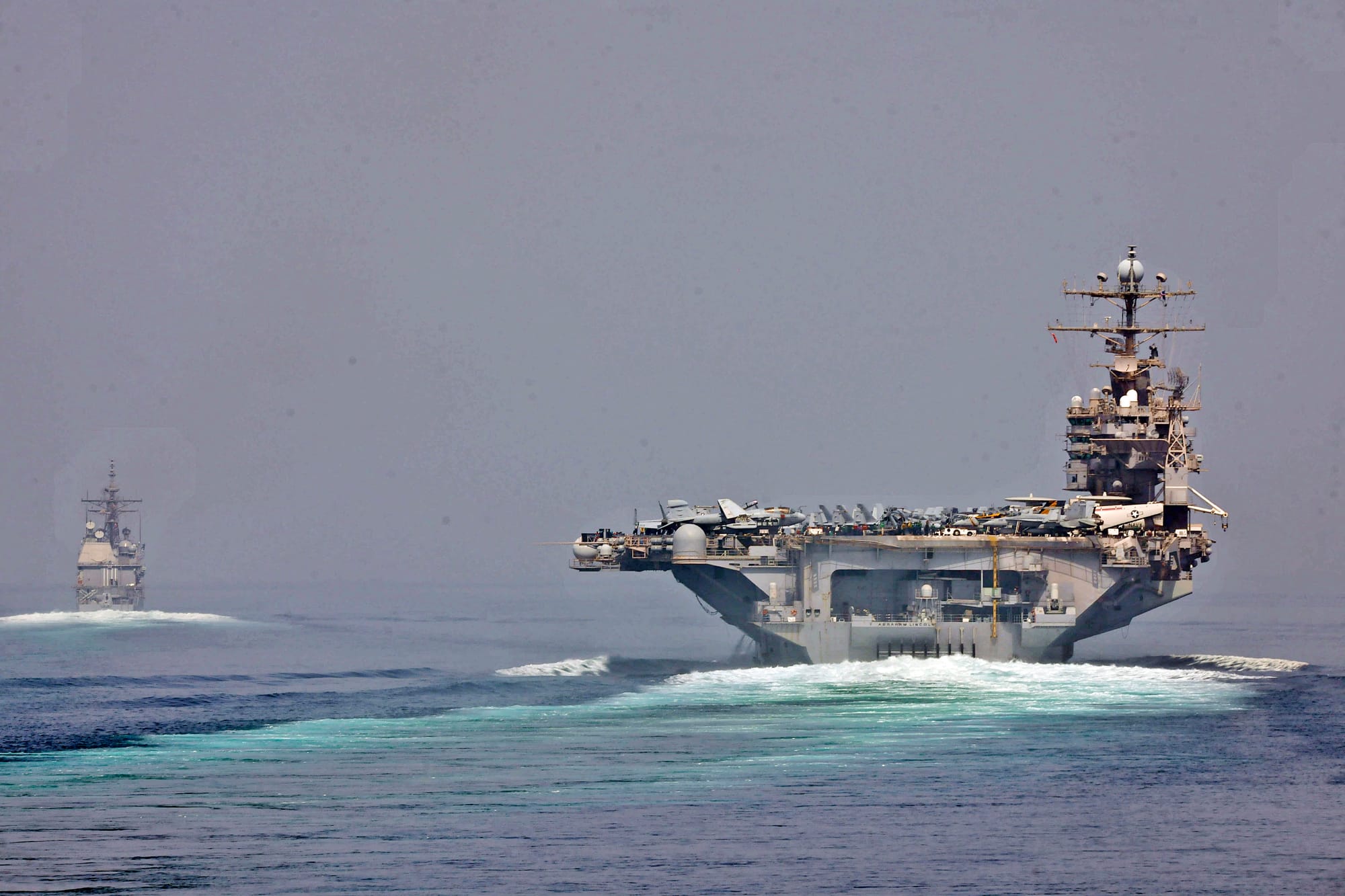
The U.S. military’s Central Command posted on X (formerly Twitter) on the 12th that, since the airstrikes began, roughly 6,000 Iranian targets were attacked, with about 90 ships destroyed, including roughly 30 that were mine-laying vessels. These figures illustrate the intensity of the U.S. campaign, even as rival claims circulate about the status of Iran’s mining activity.
The New York Times article also references a separate claim, citing a Sky News interview, that Iranian tankers and some Chinese-flagged ships continue to transit the Hormuz Strait and that mines had not been laid. The report underscores the competing narratives about the current state of access to the strait.
The Wall Street Journal cited experts who, on the same day, estimated that as many as 10 mines had already been installed in the strait. Meanwhile, the U.S. military’s own site notes one Iranian mine—the “Maham 1” buoy—designed to float in about 1 meter of water, capable of detonating up to 120 kilograms of explosives, and able to be tethered or placed on the seabed.
Iran’s leadership responded to the situation by affirming that the Hormuz Strait blockade would be kept in place. On the same day, Iranian authorities signaled continued control over the strait, even as other port and shipping actors remain active in the region.
For U.S. readers, the dispute matters beyond Tehran’s rhetoric: Hormuz is a major conduit for global oil supply and linked to energy prices and markets, with implications for U.S. energy security and inflation. The episode also has broader-security relevance for Gulf partners, international shipping insurance, and the strategic calculus surrounding sanctions, deterrence, and potential escalation in a volatile region.