KRIBB, Puriosa AI Sign MOU for NPU-Based AI Drug Discovery
Seoul, South Korea — the Korea Research Institute of Bioscience and Biotechnology (KRIBB) announced a push to accelerate AI-driven drug discovery, signing a memorandum of understanding with Puriosa AI to establish a research collaboration focused on neural processing unit (NPU)–based AI drug development.
The core of the agreement is to actively apply Puriosa AI’s second-generation NPU, RNGD, to digital AI cells (virtual cells) and a digital bio platform, expanding the computational tools available for AI-assisted drug design and screening.
The collaboration also brings in Yonsei University College of Pharmacy, Omphalos Korea, and Insilicox, alongside KRIBB’s National Center for Preclinical Trials (KPEC) and other partners. The effort is organized under the “Digital AI Cell Sejong the Great Project Consortium,” which is led by KRIBB’s Director Ko Kyung-chul, with research leadership from KRIBB’s center.
Over time, the partners aim to strengthen a research network spanning industry, academia, and government to advance AI-enabled drug discovery. Planned areas include AI-based drug development, upgrading digital AI cells and the digital bio platform, development of biotech-focused large language models and data analytics platforms, and the creation of next-generation biotech logic tailored to lab environments. They also seek to integrate data analysis platforms with computing farm resources.
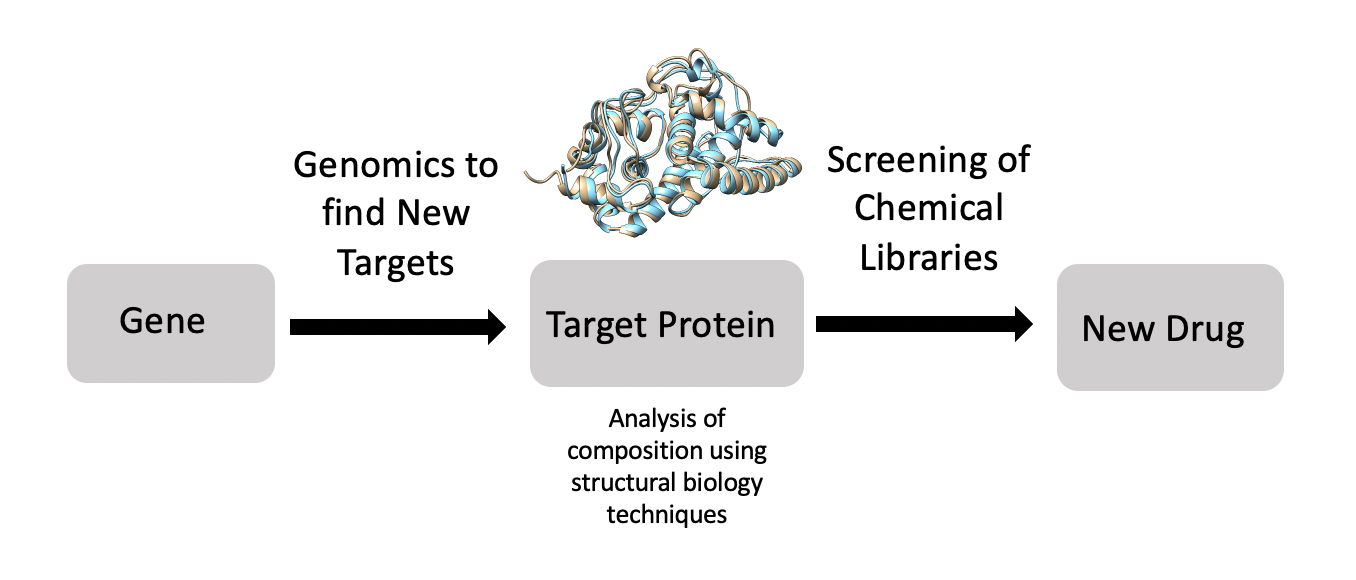
KRIBB’s Ko Kyung-chul underscored that AI drug development relies on large-scale bioinformatics—data analysis, AI model training, and virtual screening—and that introducing high-performance, NPU-based AI computing infrastructure will bolster digital-bio research capabilities, including identifying drug candidates and predicting drug responses.
Puriosa AI CEO Jun-ho Baek said the convergence of AI semiconductors and biotech is rapidly altering drug development, and the collaboration aims to contribute to building the next generation of AI computing infrastructure needed for a digital-bio era.
Beyond Korea, the partnership signals an expanding trend in AI-enabled life sciences that matters to U.S. readers for several reasons. It highlights growing cross-border collaboration on AI drug discovery, a key area for accelerating pharmaceutical innovation and potentially shortening development timelines. The effort also reflects broader demand for advanced AI hardware and specialized software platforms that could influence global supply chains for biotech and pharmaceutical products, including any future joint ventures, licensing, or investment flows involving U.S. partners. Finally, the push to develop biotech-specific AI models and data platforms may shape international standards and interoperability in bioinformatics, data sharing, and regulatory frameworks that affect U.S. research institutions, startups, and large pharmaceutical companies.