South Korea's ruling party faces internal strife over Seoul mayoral nominations.
Incheon’s mayoral candidate Yu Jeong-bok of South Korea’s ruling People Power Party (PPP) held an urgent press conference at the party’s central office, urging a quick end to internal strife over nominations for the June 3 local elections. He said the party’s central figures have become locked in a high-stakes, unproductive confrontation, and that such turmoil is causing anxiety among party members and the public. He called for open dialogue and give-and-take to move forward.
Yu directed his remarks at party leader Jang Dong-hyek, urging him to steady the party’s course and consider a more open approach to forming an innovative campaign committee. He also urged Seoul Mayor Oh Se-hoon to quickly apply for nomination and to join the party’s path forward with confidence.
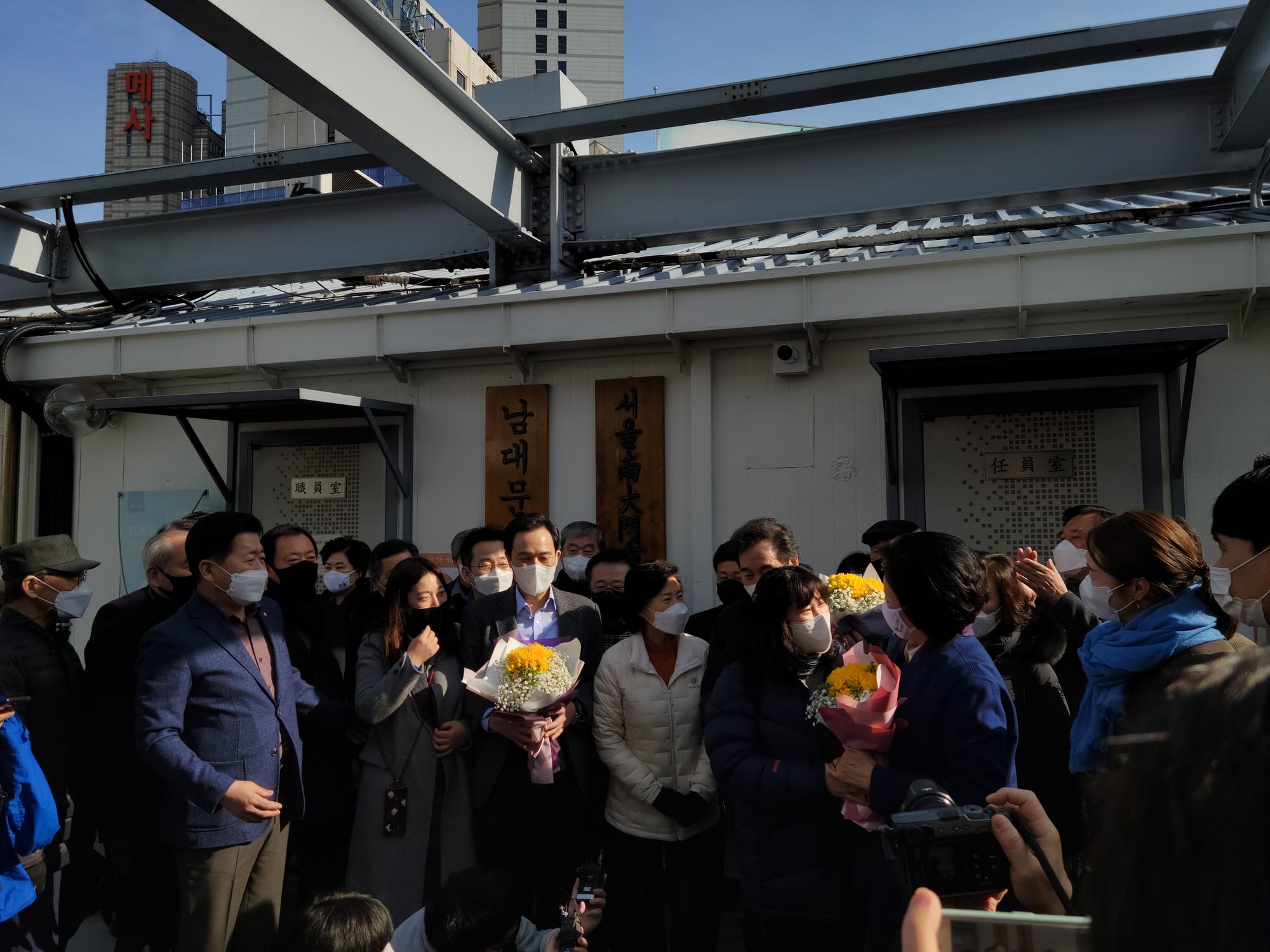
Oh Se-hoon had, the day before, urged the early launch of an innovative campaign committee as a follow-up to a “Yoon Again” opposition resolution, and he did not register for additional PPP nomination for Seoul’s mayoral race. Jang’s camp has characterized those demands as effectively forcing the party leader into a second-term retreat, a stance that drew clear pushback from Yu and allies.
Meanwhile, Yu also addressed the resignation of Lee Jeong-hyeon, the head of the PPP’s nomination-management committee, asking him to retract his resignation and promptly return to duty to help secure winning nominations.
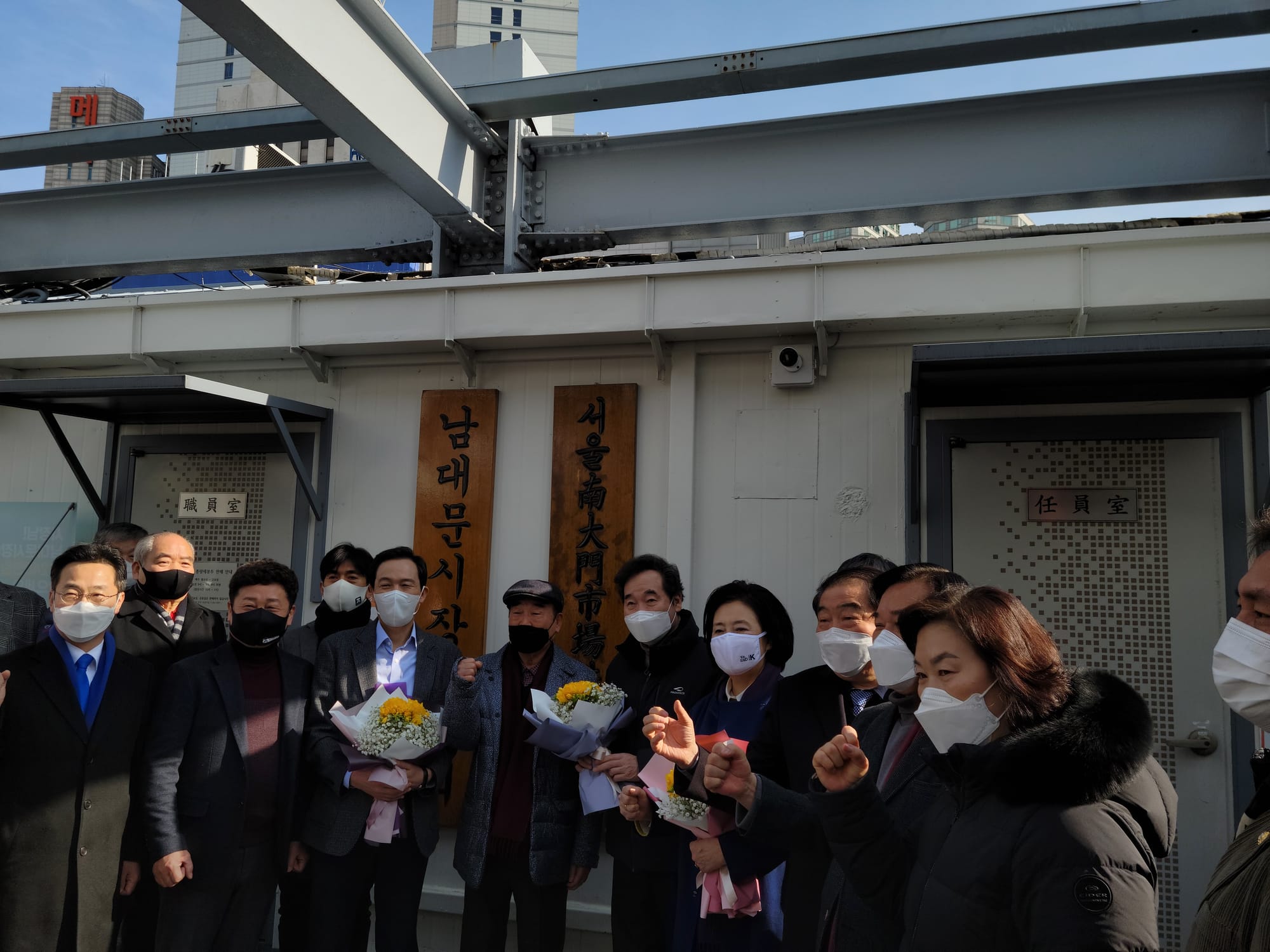
The intra-party tensions unfold as the PPP tries to unify behind its slate for major metropolitan races, including Seoul and the wider onslaught of local elections. The events matter beyond Korea because Seoul and Incheon sit at the heart of South Korea’s economy, tech sector, and regional supply chains, and political stability in the ruling party can influence policy directions, investment climate, and collaboration with the United States on security, trade, and technology.
For U.S. readers, the stakes are indirect but real: local leadership in Seoul and the surrounding metropolitan area shapes regional governance, infrastructure plans, and regulatory environments for Korea’s high-tech industries, including semiconductors and batteries, that are central to global supply chains and U.S.–Korean cooperation. Internal party dynamics in the ruling party can affect how quickly, and with what political capital, the government pursues policy priorities aligned with allied interests.