New book by Michael Albertus links land ownership to global power and inequality.
Land Power, a book by Michael Albertus, traces how land ownership has long shaped power and inequality across civilizations. Focusing on roughly the last 200 years, it highlights a global realignment in who controls land and how that control translates into economic, social, and political influence.
The author argues that land is the starting point of power: owning land allows control over the means of production, enables wealth accumulation, and anchors social hierarchy and political sway. This linkage, he says, helps explain why land issues repeatedly determine a country’s development path.
Albertus surveys a sequence of upheavals—colonization, revolutions, wars, and land reforms—that shifted land into new hands and reconfigured national power structures. He describes these shifts as a set of deliberate, consequential transfers that helped rewrite how states function.
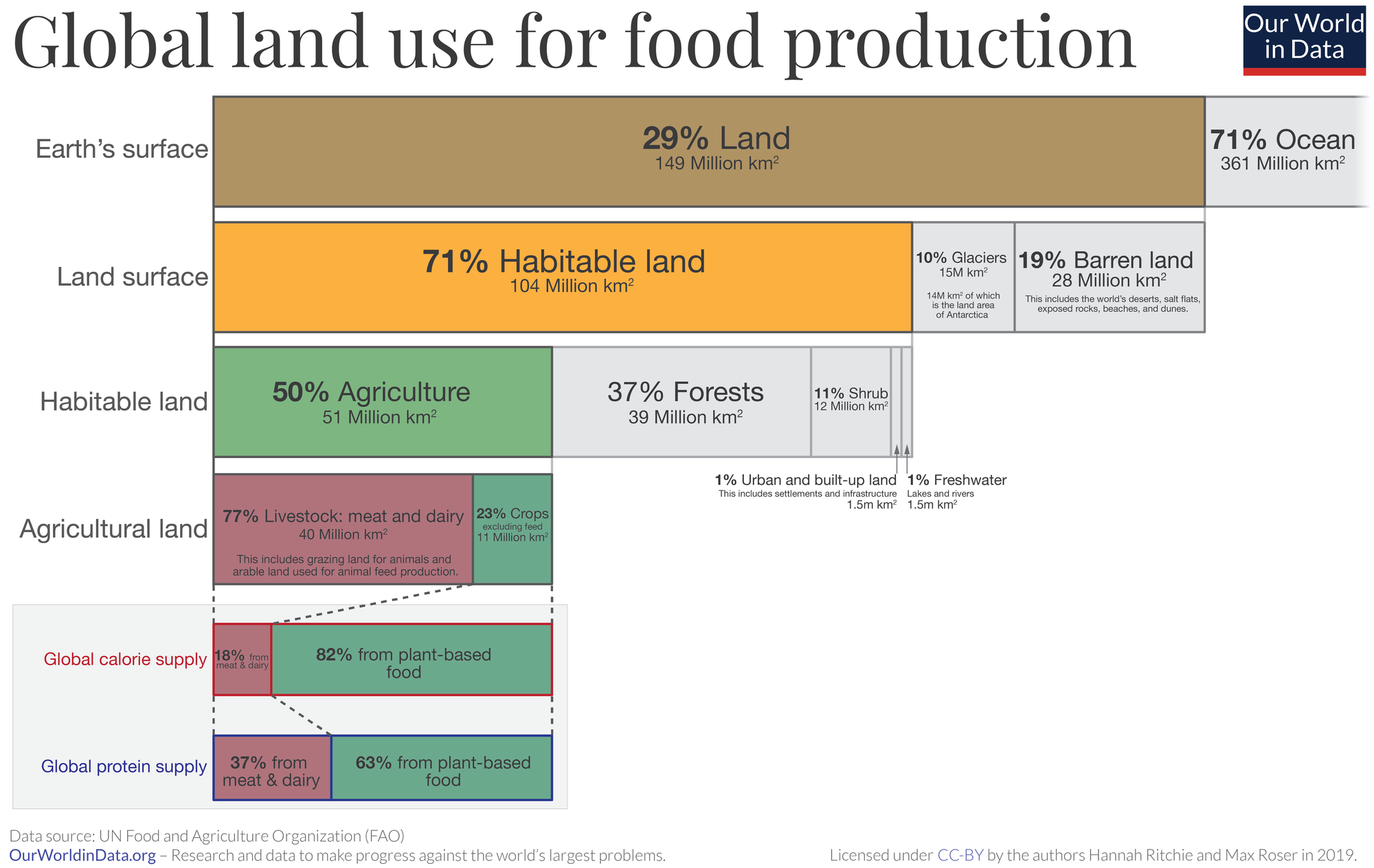
In the Americas, for example, European settlers treated vast tracts as vacant and displaced Indigenous peoples, while slavery underpinned land development. Landownership by early settlers subsequently concentrated political and economic power in white communities, illustrating how land distribution can entrench hierarchy.
The book notes similar land-dispossession patterns elsewhere: Indigenous Australians, Black South Africans, Indigenous peoples in North America, and Palestinians are cited as groups pushed off land, underscoring a shared dynamic of land-driven inequality across regions.
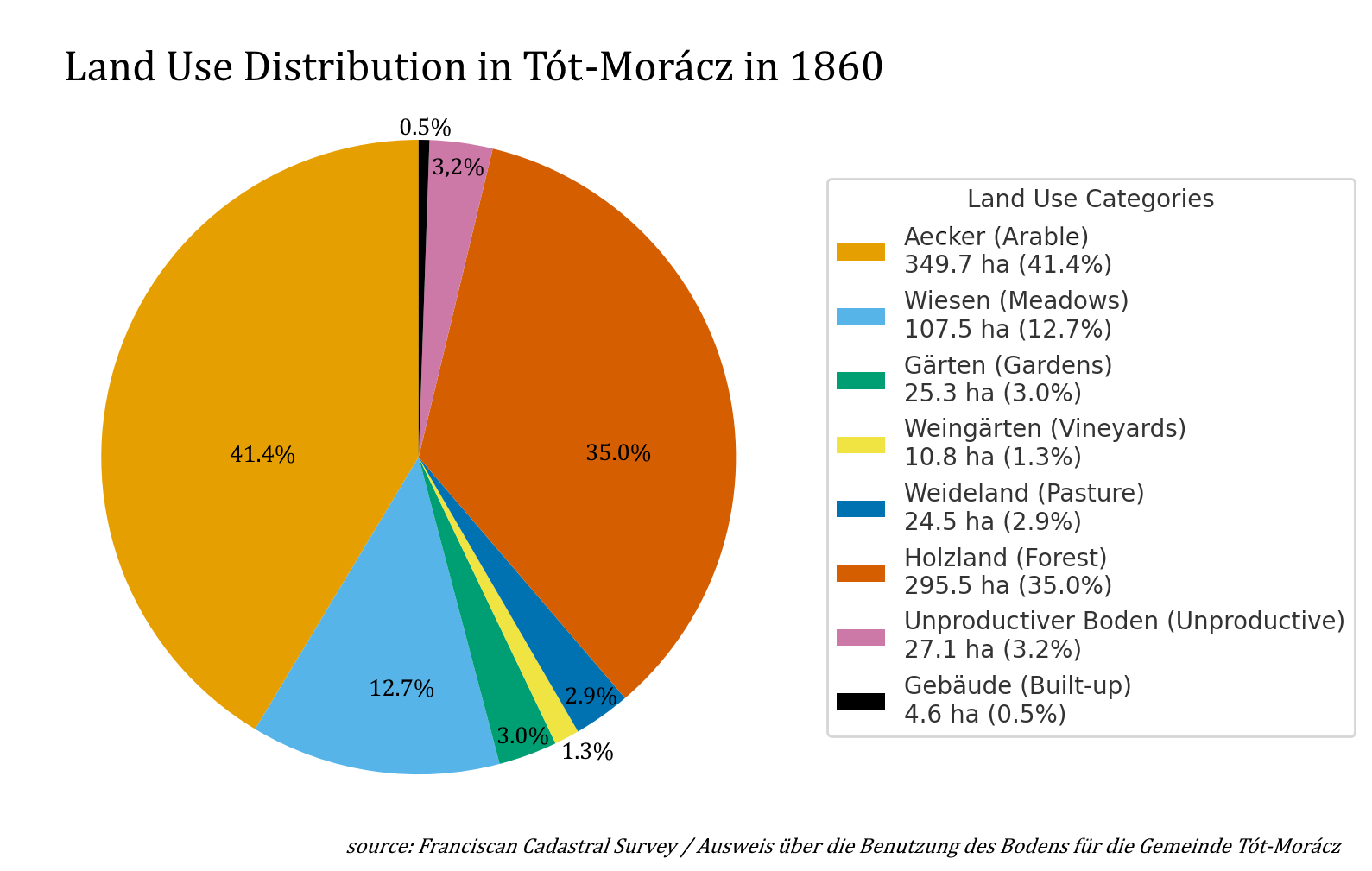
On reform, Albertus highlights how Korea, Taiwan, and Japan pursued agrarian reforms that redistributed land from large landlords to peasants, promoting a relatively even distribution. This shift helped empower rural households, boosting education and enabling the broader industrialization that fueled East Asian growth. By contrast, on the Korean peninsula, North Korea collectivized land, while South Korea distributed small plots to tenants for a price; the different approaches led to divergent development trajectories for agriculture and the economy.
The author warns that land power is not confined to the past. Climate change is squeezing arable land and demand for minerals is rising, which could rekindle global land grabs. He cites examples such as discussions around annexing Greenland and ongoing resource-ownership disputes in parts of South America to illustrate that land remains a potent instrument of power.
For U.S. readers, the work matters beyond Korea because land politics intersect with global supply chains, energy and mineral markets, and national security. Understanding how land ownership has shaped or distorted development helps explain contemporary geopolitical flashpoints, the resilience of certain value chains, and the policy choices that influence international stability.