South Korea's NHRC urges pause on facial recognition for phone activations
Seoul’s National Human Rights Commission has recommended that the government pause and reexamine a plan to require facial recognition for mobile-phone activations. The proposal, pushed by the Ministry of Science and ICT, aims to curb crimes tied to “dopo phones” — devices activated using stolen or forged IDs — by mandating biometric verification in the activation process.
Under the plan, facial recognition would compare an applicant’s ID photo with a real-time video of the applicant’s face to confirm identity. The policy is being advanced for the three major mobile carriers—SK Telecom, KT, and LG Uplus—and their MVNO partners. A pilot program began last year, with full rollout expected soon, as the ministry moves toward universal implementation.
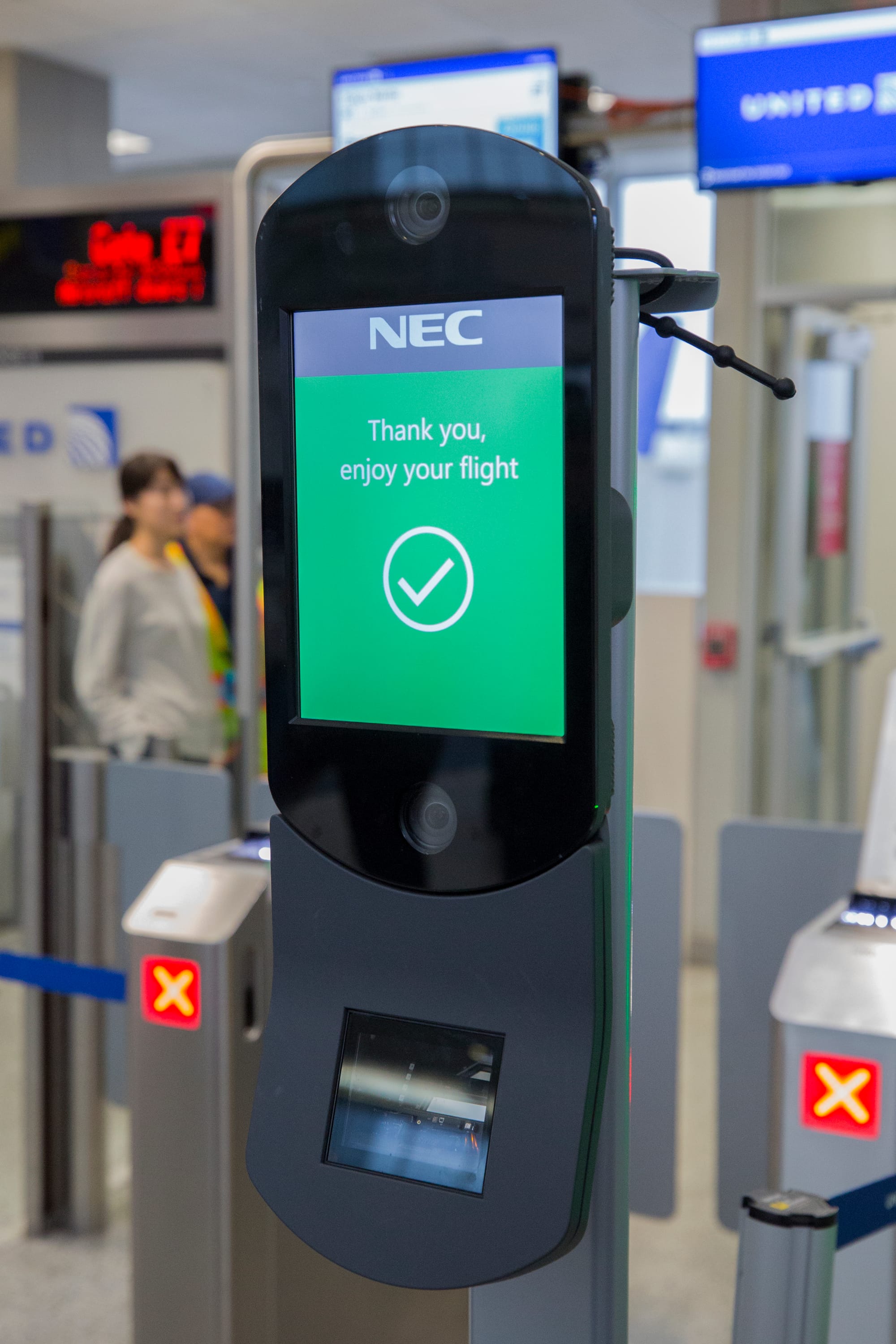
The National Human Rights Commission, in a statement, urged that any use of biometric data be anchored in clear legal grounds under relevant laws such as the Telecommunications Business Act. It also called for alternatives for people who cannot or do not want to provide biometric data, including older adults, people with disabilities, or digitally vulnerable individuals, ensuring their right to participate in the activation process.
The commission further advised operators to provide detailed explanations about what biometric data is collected, how it is used, stored, and destroyed, both before the policy takes effect and afterward as the technology is deployed. It also recommended ongoing, transparent reporting on the biometric system’s security, with regular security audits made public.
Biometric data are highly sensitive and difficult to reverse if compromised, the commission noted, warning that leaks could cause lasting harm. Because mobile numbers are closely tied to financial transactions and access to public services in Korea, the policy touches on broader rights beyond privacy, including the freedom of expression and the right to information, according to the commission.
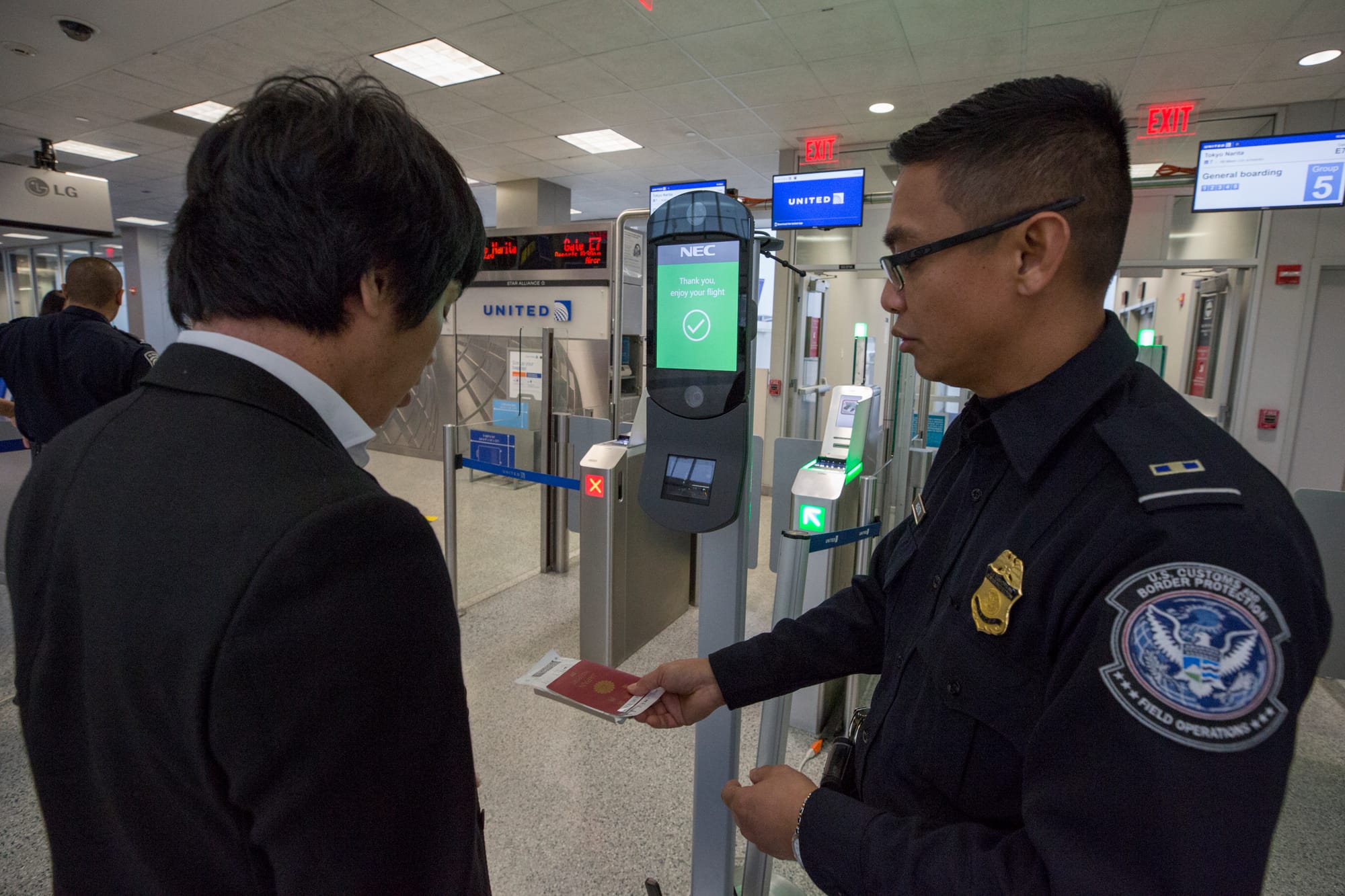
The commission said it will continue to monitor rapid advances in digital technology, including artificial intelligence, and to review related policies to safeguard citizens’ rights as the digital environment evolves.
For U.S. readers, the debate highlights a broader global trend: governments and telecom operators weighing biometric identity checks to curb fraud while balancing privacy and civil liberties. The approach in Korea could influence how biometric verification is deployed in consumer tech and fintech sectors worldwide, including the treatment of sensitive data, the need for legal clarity, and the availability of non-biometric alternatives. It also underscores potential implications for cross-border data practices, regulatory alignment, and the security of communications infrastructure that many U.S. firms and markets rely on.