South Korea’s weekend forecast: chilly mornings, frost risk; dust to worsen Sunday.
Forecasters say this weekend in South Korea will be mostly overcast, with no rain or snow expected, making it a decent window for hiking. Daytime temperatures will feel mild, but mornings and evenings will be noticeably chilly, underscoring the need for warm, layered clothing to handle a pronounced day-night temperature swing.
Snow advisories in Gangwon Province’s inland areas have been lifted. However, temperatures overnight can drop enough to turn mountain trails icy, so hikers should proceed with caution. A light frost is also possible in parts of the southern inland early in the morning.
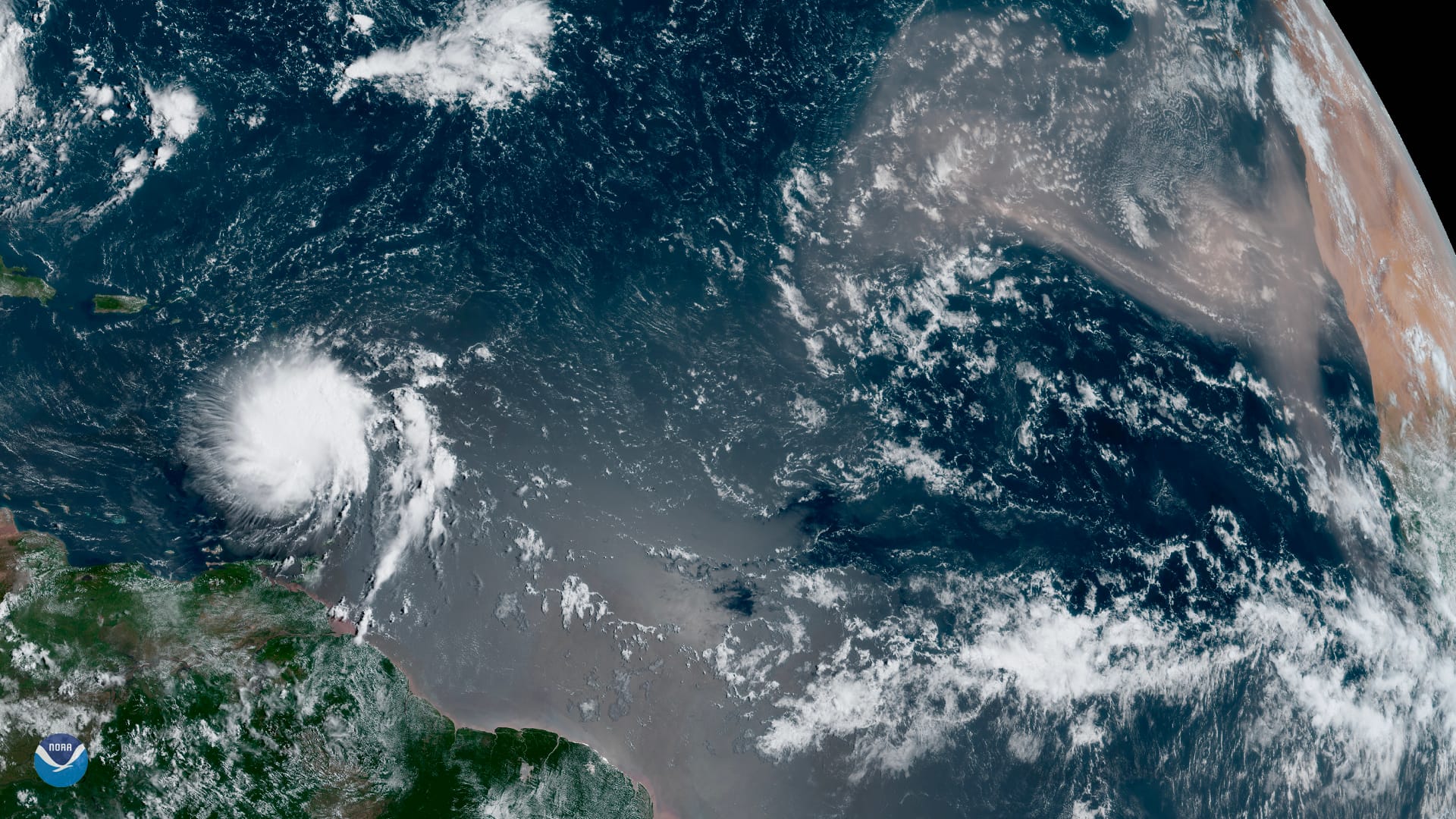
Air quality is expected to be generally acceptable tomorrow, but from Sunday an influx of external fine dust will push dust levels higher across the country. The deterioration would spread in the afternoon, with the Seoul metropolitan area, western Gangwon, and Chungcheong regions forecast to bear the heaviest load. Sensitive and vulnerable individuals are advised to limit outdoor activity on those days.
Temperatures at major mountains are expected to be around -5°C to -6°C at dawn, with daytime highs near 10°C. Seoraksan and Sokrisan are listed at around -5°C to -6°C in the morning and rising to about 10°C by midday, with Odaesan also near -6°C to start. The temperature can plunge quickly after sunset, so hikers should bring extra outerwear and plan for rapid cooling in exposed areas.
The guidance emphasizes dressing in easily adjustable layers and avoiding excessive sweating, which can lead to rapid cooling on mountain slopes. If you get hot while hiking, removing a layer rather than stopping to remove multiple items helps maintain core warmth without getting chilled.
This weekend’s mountain weather matters for domestic tourism and outdoor recreation, particularly in Gangwon and central regions around Seoul. The air quality shift on Sunday could influence outdoor plans for weekend travelers and visitors from abroad who are planning hikes or city-to-nature trips.
For U.S. readers, the forecast highlights common cross-border climate and health considerations: seasonal dust from outside the country affecting air quality, and the importance of layered clothing for rapid temperature changes in mountainous terrains. It also offers a snapshot of South Korea’s outdoor recreation patterns, which are a notable driver of domestic travel and related industries.