KFC Korea raises chicken prices on 23 items as won weakens
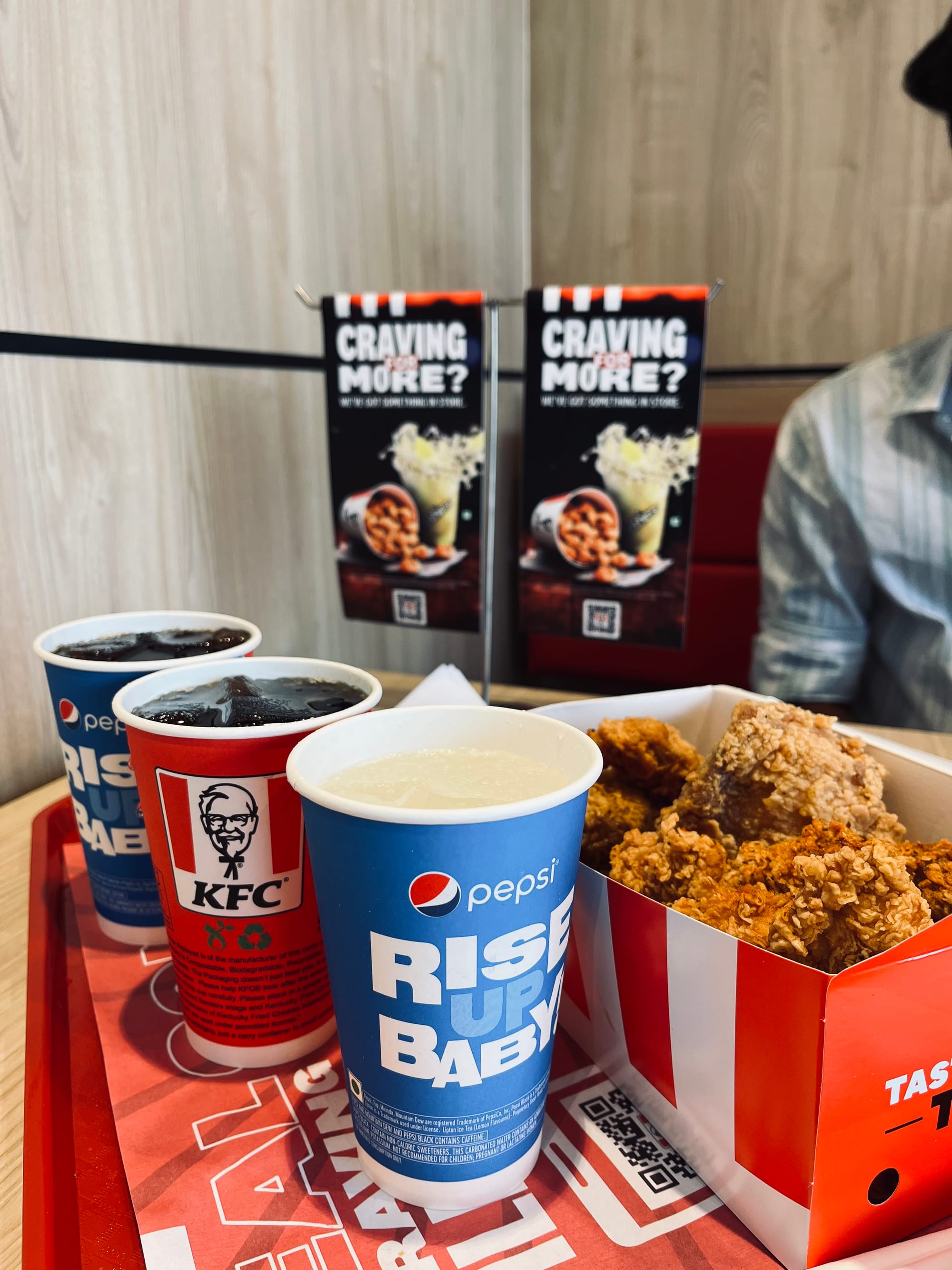
South Korea’s KFC is raising prices on chicken items, effective today. The Original Chicken will cost 300 won more, while other chicken menu items rise by 200 won each, affecting a total of 23 menu items.
KFC attributed the increases to the persistent won’s high exchange rate, rising raw material costs, and higher operating costs, saying the adjustments are needed to maintain stable quality and service.

This is the first price increase for KFC Korea in about 11 months. In April of last year, the chain raised prices on some chicken and burger items by 100 to 300 won due to higher costs. Last month, KFC’s Mexican brand Taco Bell, operated in Korea, also raised some items by up to 16.9%.
Earlier, as part of a government price-stability push, Shinsegae Food’s NoBrand Burger launched the Amazing Bulgogi burger at 2,500 won, about half the price of typical franchise burgers. NoBrand is Shinsegae’s budget restaurant concept.
NoBrand is run by Shinsegae Food, the food division of Shinsegae, a major South Korean retailer and conglomerate. The price point highlights how government efforts to moderate inflation coexist with cost pressures faced by global fast-food brands operating in Korea.
For U.S. readers, the moves illustrate how currency fluctuations and commodity costs influence pricing in Korea’s fast-food sector, which has implications for American brands with Korean operations and for investors monitoring inflation, supply chains, and consumer markets in a major Asian economy. They also reflect how policy-driven price stabilization can yield contrasting outcomes: some items become cheaper under government programs, while others rise due to global cost pressures.