South Korea names Baek Tae-ung as OECD ambassador, unusual economics post
The South Korean Ministry of Foreign Affairs announced a set of ambassadorial appointments on the 12th, including naming Baek Tae-ung, a 63-year-old law professor at the University of Hawaii, as ambassador to the OECD in Paris.
Baek Tae-ung brings a highly independent career path. He was once a student leader at Seoul National University and a founder of a 1980s liberal-left grouping known as the Socialist Workers’ League. In 1992 he was tried under the National Security Act, initially given a life sentence, with the Supreme Court later reducing the sentence to 15 years; he was released in 1999 after a special pardon. He later earned graduate degrees in international human rights law at Notre Dame Law School and taught as an assistant professor at the University of British Columbia before joining the University of Hawaii School of Law as a professor in 2011. He has also been active in international human rights work, serving on the United Nations Human Rights Council Working Group on Enforced or Involuntary Disappearances from 2015 to 2022, including a term as chair in 2020–2021.
In Korea’s announcement, Baek also has a noted domestic political role, having chaired a committee focused on international standards and rule of law under the Democratic Party’s central campaign organization during the last presidential election. That role signals a blend of legal expertise and political involvement in his selection for an OECD post.

The appointment to the OECD is described as unusual because the post is typically filled by diplomats with substantial economics or finance background. The ministry underscored that past Korean ambassadors to the OECD have included senior officials from the Ministry of Economy or Finance. For example, in the current administration, Choi Sang-dae, a former deputy minister of the Ministry of Economy and Finance, served as ambassador, while in the Moon Jae-in era other ambassadors to the OECD also came from the same ministry's ranks.
Alongside Baek Tae-ung, the ministry named several other ambassadors. Jo Young-jun was appointed as ambassador to Nicaragua, while Kangwon Province’s international relations official will serve in that capacity. Son Hyuk-sang, who heads Kyung Hee University’s public administration program, was named ambassador to Paraguay. Lee Won-jae, a veteran diplomacy professor at the National Foreign Affairs Institute, was named ambassador to Turkmenistan. Bu Seok-jong, a former chief of the Korean Navy, was posted to Turkey, and Park Cheol-min, a former ambassador to Hungary, was reassigned to Hungary.
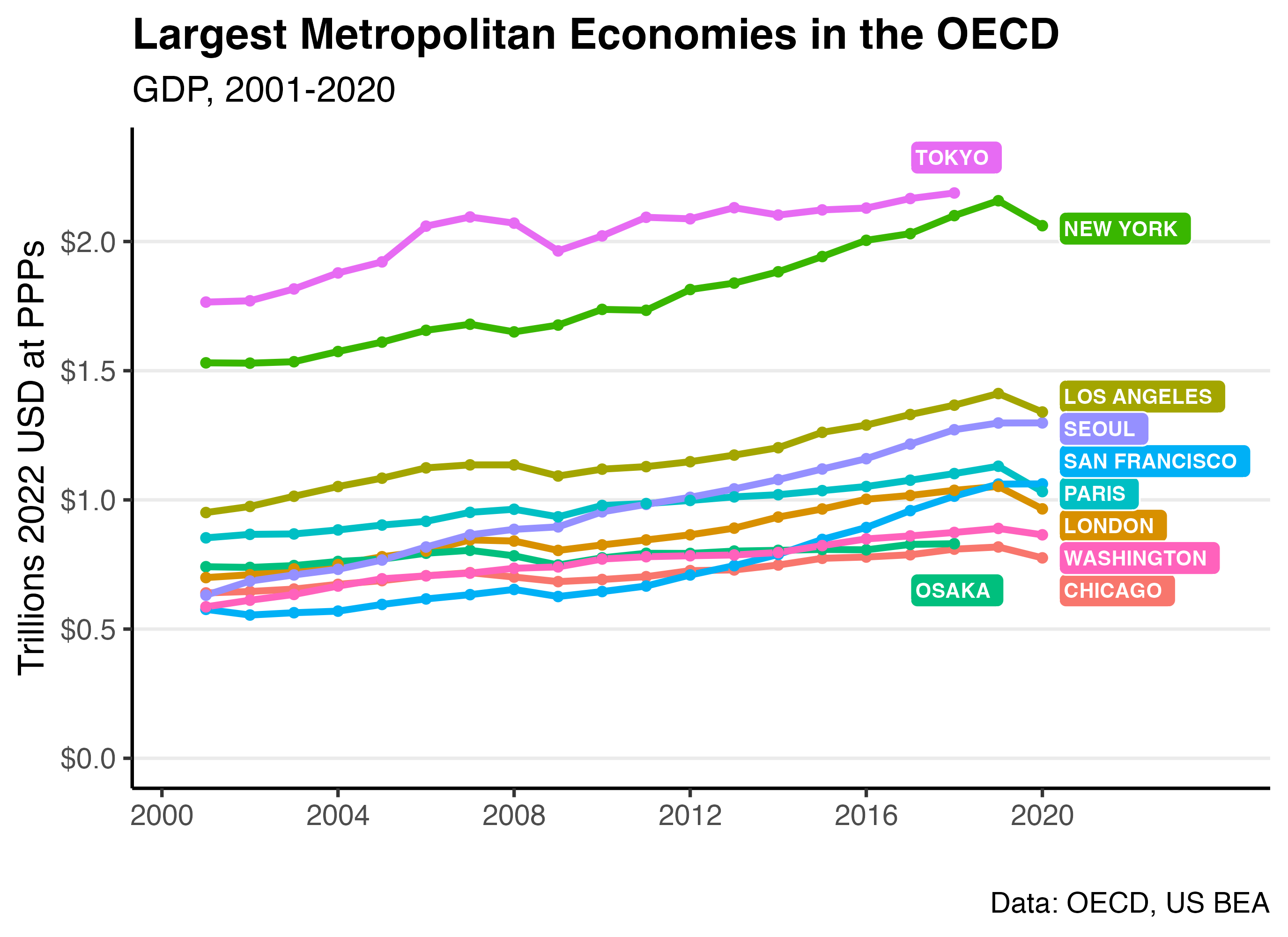
For international audiences, these moves matter beyond Korea because OECD diplomacy shapes how Seoul aligns with global economic policy, standards on taxation, trade, technology, and climate initiatives that affect multilateral markets and supply chains in which the United States participates. Baek’s background in international human rights and law, combined with the OECD post, may influence Korea’s emphasis on rule-of-law issues within economic diplomacy and cross-border governance.
The changes also reflect Korea’s broader approach to global governance, where diplomats increasingly blend traditional economic diplomacy with human rights, rule-of-law advocacy, and multilateral issue-spotting. As the United States and other major economies coordinate on digital policy, climate transition, and supply-chain resilience, Seoul’s leadership choices for key postings like the OECD ambassador could influence how Korea engages with the United States and other partners on shared challenges.
Overall, the ministry’s announcements illustrate a shift toward diversified backgrounds in Korea’s overseas representation, including scholars with international human rights credentials and figures with deep political and legal experience. For U.S. readers, the implications center on how Korea will balance economic policy with human rights considerations in its participation in OECD discussions and broader multilateral forums.