Spain's Sanchez largely cuts contact with Merz after U.S.-Germany summit
European reactions to the March U.S.–Germany summit show lingering tensions, centering on Spain and the attitude of German Prime Minister Friedrich Merz toward Spanish Prime Minister Pedro Sánchez. The German news weekly Der Spiegel reports that Sánchez has largely cut off personal contact with Merz, despite Merz repeatedly reaching out by phone and text.
Der Spiegel notes that Sánchez has not replied to Merz, while other European leaders such as French President Emmanuel Macron, EU Commission President Ursula von der Leyen, and Mexican President Claudia Sheinbaum have recently spoken with Sánchez. The report ties the rift to the White House meeting on March 3, where Merz and U.S. President Donald Trump were present.
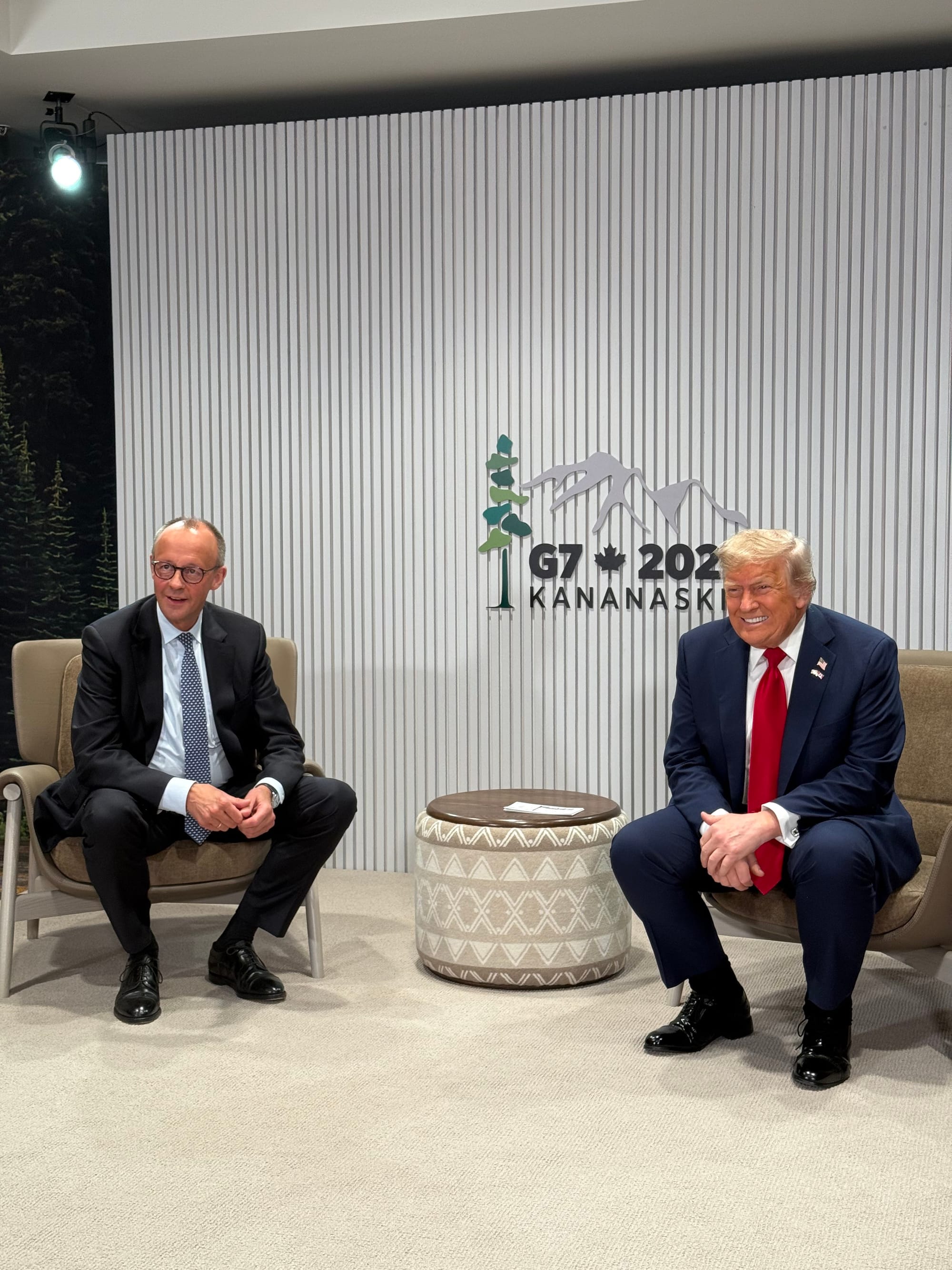
During that visit, Trump publicly criticized Spain before a private session, pressuring Madrid to allow the United States to use Spanish naval and air bases for potential strikes on Iran, an appeal Sánchez reportedly refused. The episode is cited as part of the broader tension over how the United States engages with European allies.
Trump had previously pressed NATO allies to meet defense-spending targets, and he described Spain as “lousy,” saying the country has “great people but not leadership.” He went so far as to suggest he did not want to conduct any trade with Spain. The public intensity of his remarks added to perceptions of a contentious, personal dynamic with Madrid.
In Madrid, the government pushed back. Foreign Minister José Manuel Albares and Deputy Prime Minister Yolanda Díaz suggested Merz’s approach would be unthinkable if it involved leaders such as Olaf Scholz or Angela Merkel, and they argued Europe should not be subjected to undisguised U.S. pressure. Their criticisms reflected broader discomfort in Spain with what they characterized as a subservient stance toward Trump.
Pedro Sánchez, leader of Spain’s Socialist Party, has long been one of the most outspoken European adversaries of Trump’s immigration policies, including a recent op-ed in The New York Times. The report also notes public friction on social media, where Elon Musk criticized Sánchez as a “dirty tyrant” on X, illustrating how personal and political rivalries between U.S. and European figures can spill into business and tech circles.
Why this matters for the United States goes beyond a bilateral quarrel. The episode highlights strains within the Western alliance over leadership, shared security commitments, and how EU countries coordinate on NATO defense spending, Iran policy, and trade. Spain’s role as a NATO ally and host to U.S. bases means Madrid’s stance can influence U.S.-EU cooperation on security, defense planning, and related supply chains, especially at a time of shifting European political dynamics.