South Korea Deepens Civilian-Military Cooperation on Wildfire Drones and Air Assets
The Korea Forest Service’s National Aviation Headquarters hosted a visit by the commander of the Army’s 36th Infantry Division and other senior officials on the 13th to review wildfire response systems and discuss cooperation on firefighting and unmanned aerial vehicle operations.
During the visit, the division commander was guided through firefighting helicopters and tethered-landing facilities, while officials explained the aviation-based wildfire suppression system and current helicopter operations.
Officials also introduced the main wildfire suppression equipment used in the field and shared how the gear is operated and deployed in real-world responses, outlining the on-site response framework.
The talks emphasized the importance of a coordinated response system between civilian forestry authorities and the military, with discussions aimed at strengthening joint operations.
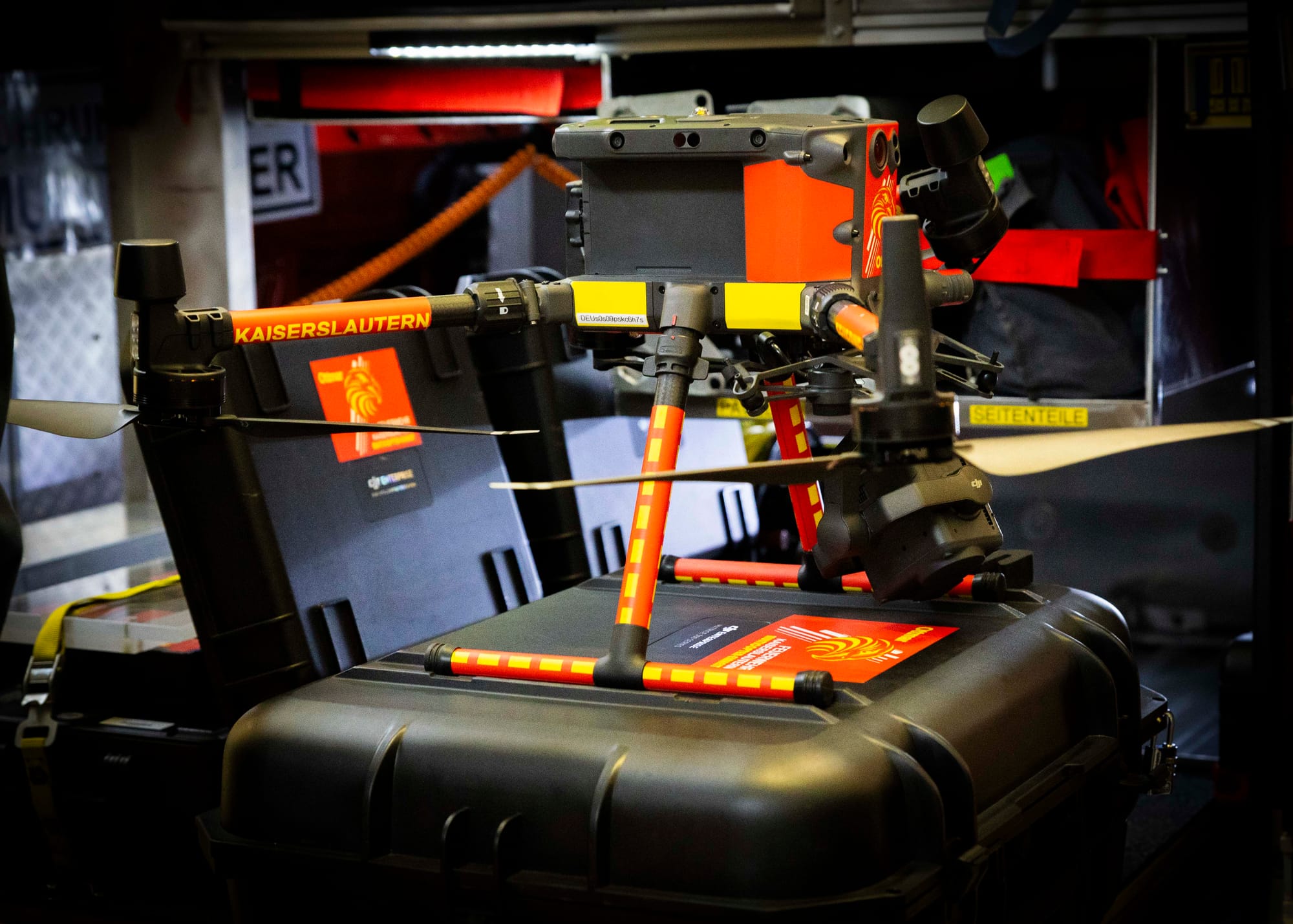
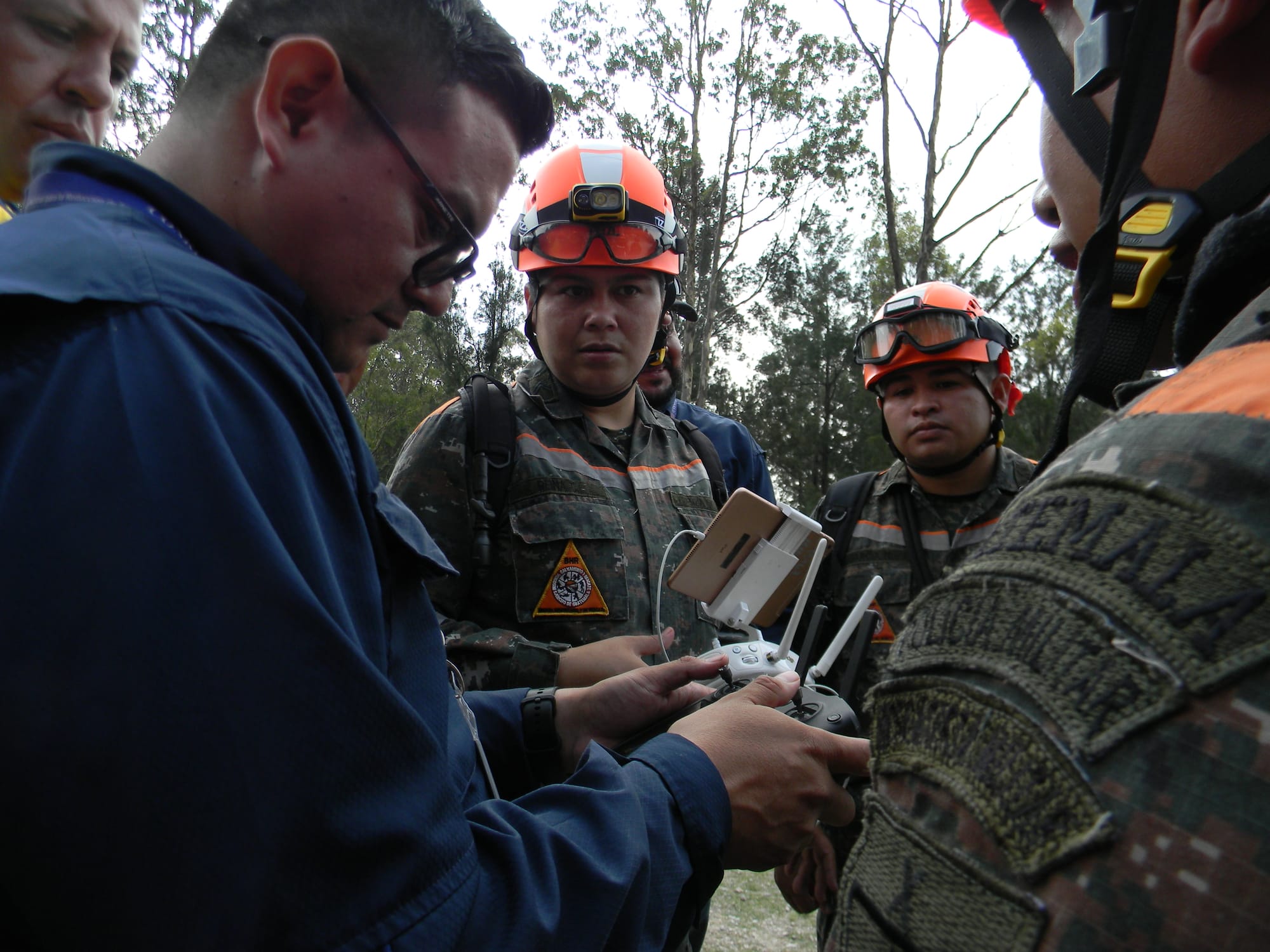
A particular focus was placed on drones, with both agencies agreeing to deepen cooperation and provide ongoing support in the drone sector as unmanned aircraft become more integral to wildfire response.
Kim Man-ju, head of the National Forestry Aviation Headquarters, said that during the period of heightened large-fire activity, cooperation with the military will help strengthen wildfire response capabilities.
For international audiences, the exchange illustrates how a civilian agency and the armed forces can pool air assets, equipment, and technology to address large-scale wildfires. It also highlights the growing role of drones in emergency response and the potential benefits of civil-military collaboration for disaster management in other countries, including the United States, where wildfire seasons have become a critical policy and security issue.
Context for non-Korean readers: the Korea Forest Service operates the Forestry Aviation system to support firefighting, search and rescue, and related missions. The Army’s 36th Infantry Division is a unit within the Republic of Korea Army. The term “large-fire special measures period” refers to a seasonal mobilization of additional resources to combat major wildfires.