Iran begins laying mines in Strait of Hormuz, threatening global oil markets
Iran has begun laying mines in the Strait of Hormuz, a narrow waterway where about 20% of the world’s crude oil shipments pass. Analysts say once sea mines are deployed, they are extremely difficult to remove during an ongoing conflict, potentially giving Iran a powerful lever over global energy markets and Western pressure campaigns.
The New York Times, citing U.S. officials, reported that American forces destroyed a large number of mine-laying vessels but that Iran has shifted to using smaller boats to lay mines since the 12th. The paper quoted experts suggesting Iran could deploy hundreds or even thousands of small craft to keep the hazard in the water, complicating efforts to reopen the strait.
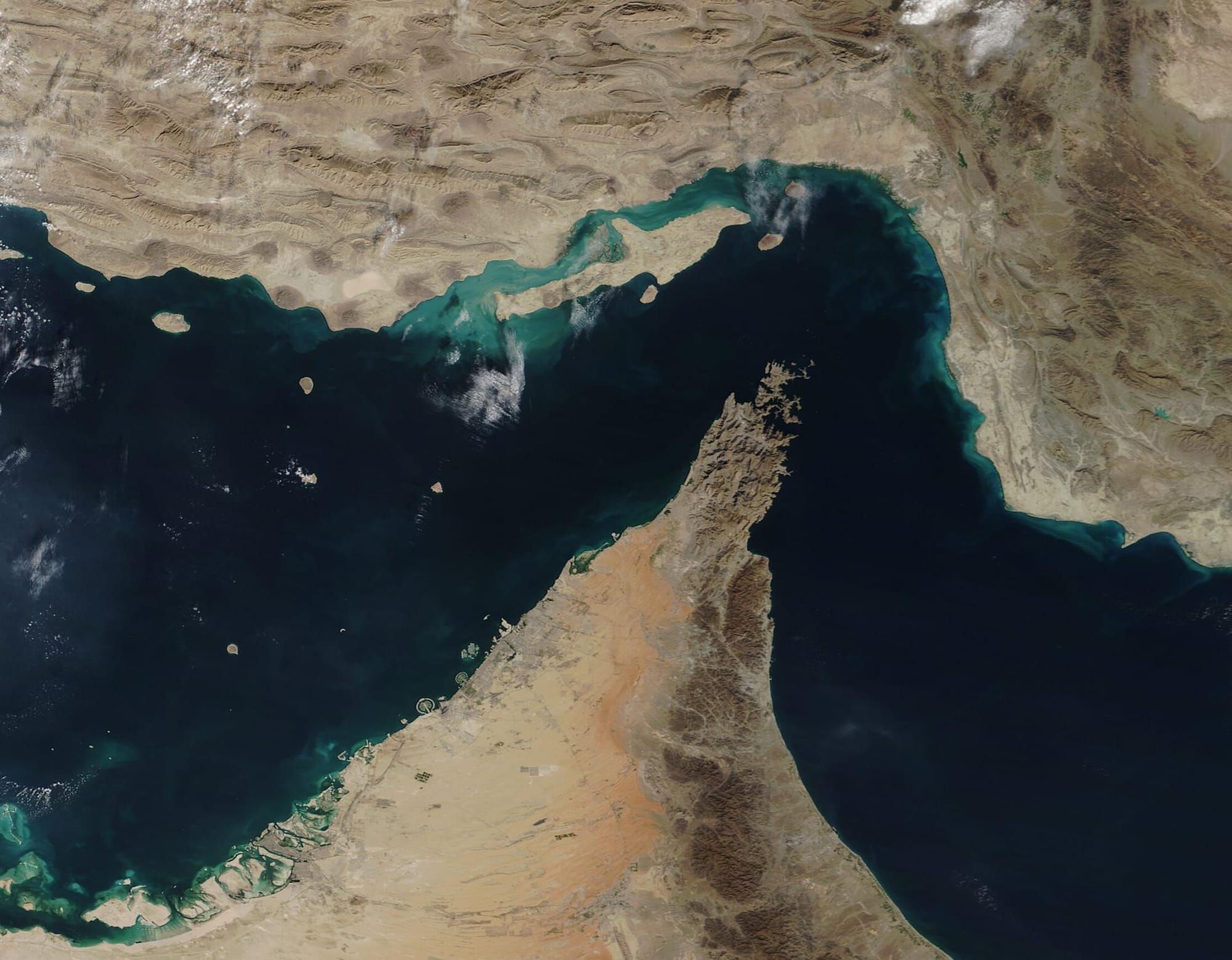
Britain’s defense secretary, James Healey, told reporters that reports about Iran’s mining activities are becoming clearer and that the likelihood of mine-laying in the Hormuz is high. Earlier assessments from think tanks varied on the extent of Iran’s mining, with the Institute for the Study of War estimating that Iran could have already laid as many as 10 mines.
U.S. officials had downplayed some of the more sweeping claims about mines, while noting the broader risk. The U.S. has conducted strikes targeting Iranian mine-laying capability, claiming to have destroyed more than 30 mine-laying ships in recent operations as a preventive measure. Still, the use of small, hard-to-detect vessels raises ongoing concerns about detecting and clearing such threats.
The United States has been rearranging its mine-countermeasures approach in the region. The last dedicated mine-sweeper used in the Middle East reportedly retired last year, with planning to rely on coastal combat ships equipped with unmanned systems for future mine-clearing tasks. Defense officials say the new approach aims to maintain clearance ability, but questions remain about its effectiveness in a contested environment.
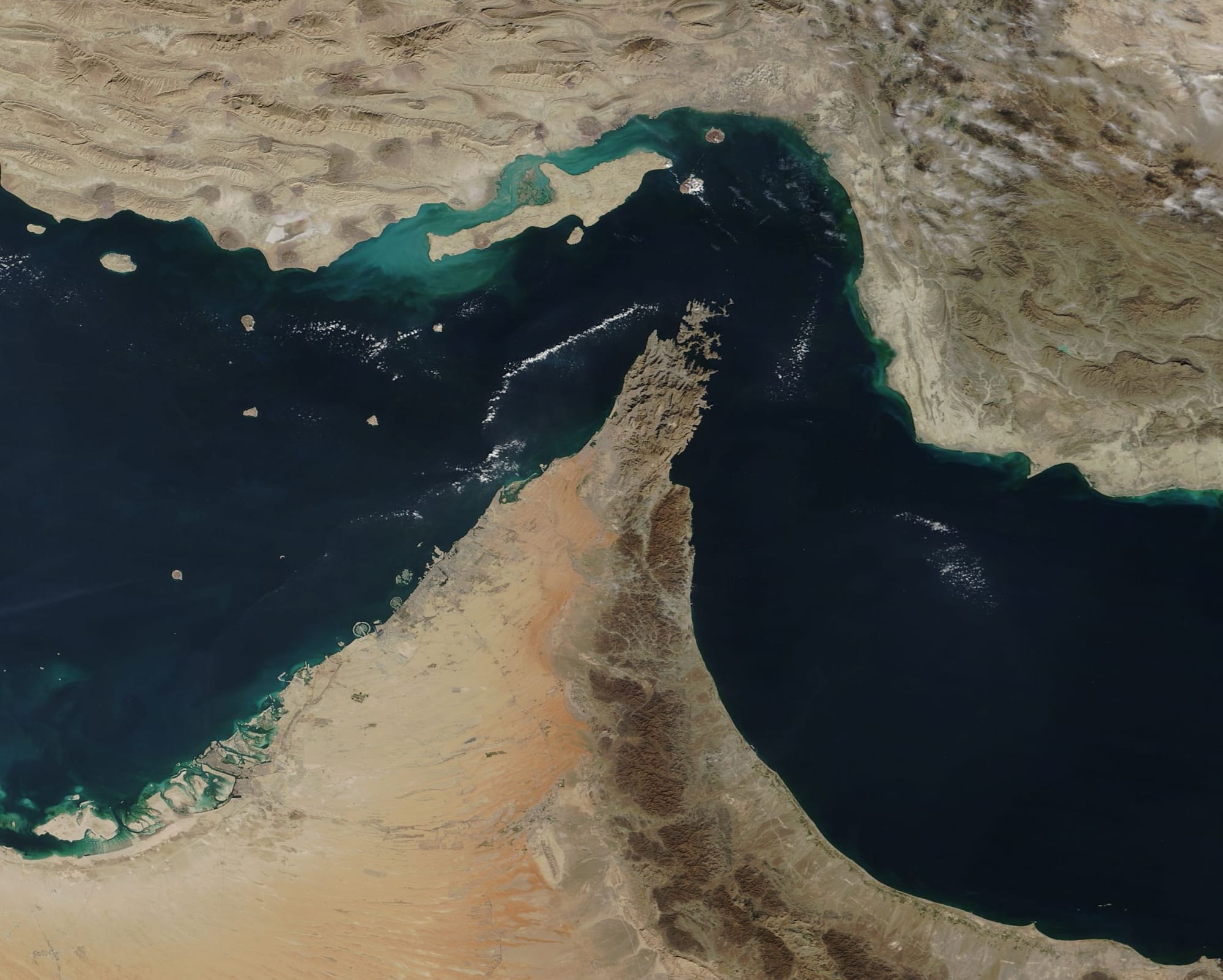
Iran’s leadership is signaling a strategic shift tied to leverage against the United States and its allies. State television quoted Ayatollah Moztaba Hamenei, described as the newly chosen supreme leader, insisting that the Hormuz Strait blockade remain a tool to pressure adversaries. The stance comes as Iran has also emphasized its use of drones and other asymmetric capabilities to disrupt energy infrastructure and shipping.
For U.S. readers, the developments matter beyond the region because Hormuz is a global energy chokepoint. A sustained or renewed blockade could reverberate through energy prices, supply chains, and markets worldwide, including those for American refiners and consumers. The situation also tests U.S. and allied management of critical sea lanes, the resilience of global sanctions regimes, and the capacity of Western navies to prevent disruption in one of the world’s busiest maritime corridors.