Gunsan Shipyard Asset Transfer MOU Could Create Up to 10,000 Jobs
Gunsan’s mayoral candidate Kang Im-joon welcomed a memorandum of understanding on the asset transfer of Gunsan Shipyard, signed by Eco Prime Marine Pacific, described as the largest shareholder of Hyundai Heavy Industries and HJ Heavy Industries. The agreement concerns the transfer of the shipyard’s assets as part of a broader deal.
Kang said the signing signals the start of full operations at the Gunsan Shipyard, though he noted that due diligence and the main contract still remain to be finalized before the transfer is complete.
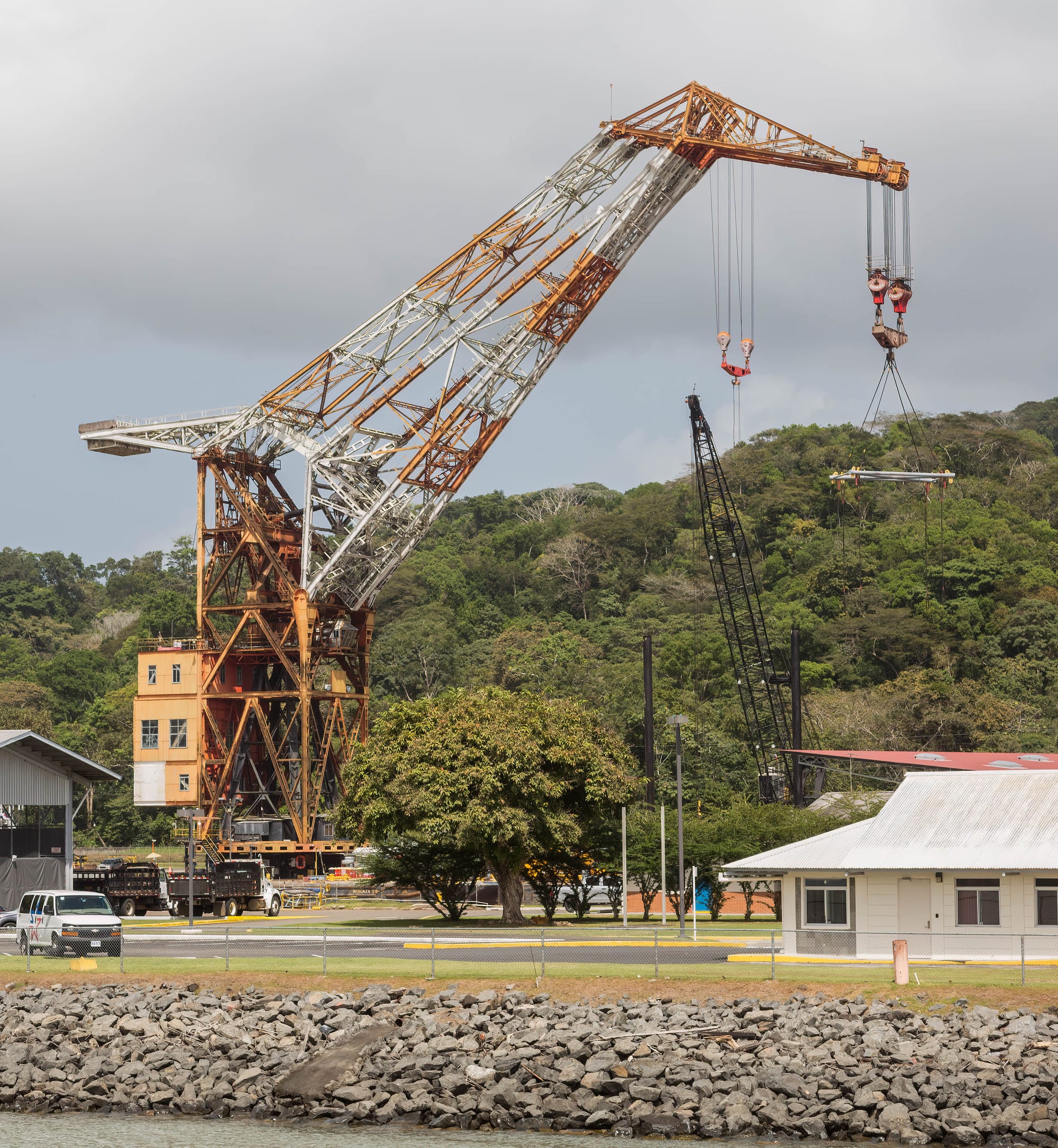
He estimated that if HJ Heavy Industries proceeds with the acquisition and operation of the plant, the project could generate about 5,000 direct jobs, with total employment rising to around 10,000 when indirect positions are included.
The candidate expressed gratitude to Gunsan residents for their patience and support, calling the milestone a realization of the city’s long-standing wish for the shipyard to operate at full capacity.
For readers unfamiliar with the setting, Gunsan is a coastal city in North Jeolla Province, western Korea, home to one of the country’s notable shipyards. Eco Prime Marine Pacific, meanwhile, is described as the largest shareholder of Hyundai Heavy Industries and HJ Heavy Industries.
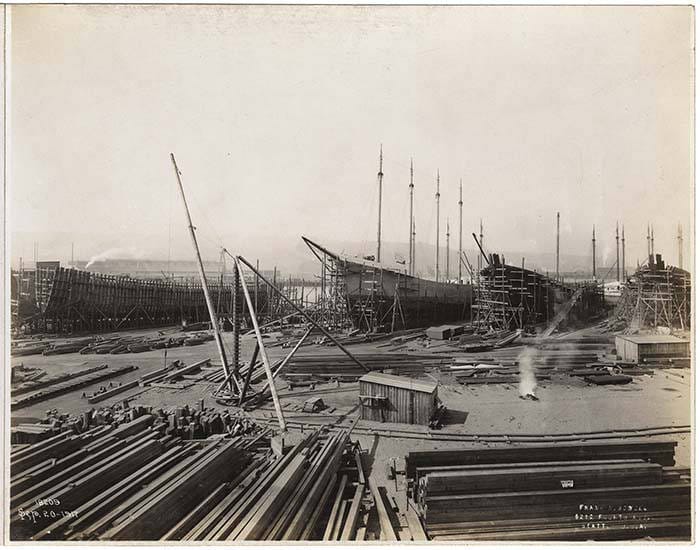
The memorandum of understanding is a non-binding step that paves the way for asset transfer, but it does not finalize ownership. The completion of due diligence and the signing of a main contract are still required, after which HJ Heavy Industries would be expected to operate the yard.
Why this matters to the United States: Korea’s shipbuilding sector is a crucial global supplier for commercial fleets and a potential partner in defense-related shipbuilding. A successful transfer and rapid ramp-up at Gunsan could affect global shipbuilding timelines, pricing, and supply chains, with potential implications for U.S. shipping interests, fleet operators, and allied defense procurement. The development also reflects ongoing consolidation in Asia’s maritime industry, a factor shaping international trade and security dynamics.