Land Power argues land reform underpins global power, citing South Korea's growth.
Land Power, by Michael Alberts and translated by No Seung-Young, surveys how land has underpinned political and economic power from the 19th century to today, arguing that who owns land helps determine who holds influence in world affairs. The book positions land as a strategic resource whose control can reshape economies, borders, and governance.
The opening chapters revisit a provocative moment in global geopolitics: the idea of the United States attempting to acquire Greenland at the start of the year, a move that alarmed other countries because land ownership, beyond simple territory, signals access to resources and strategic leverage. The discussion frames land as a proxy for power in international competition.
A central idea is that land wields economic, political, and social force. The author traces how land ownership has long structured inequality, citing the 1850s settlement of California and the fate of the Cahuilla people in Palm Springs. The U.S. federal government pressured unfavorable treaties in 1852, and remaining land was carved up to serve railroad interests, pushing many Indigenous communities into reserves and widening gaps in income, education, and health—reproducing racial hierarchies that endured for generations.
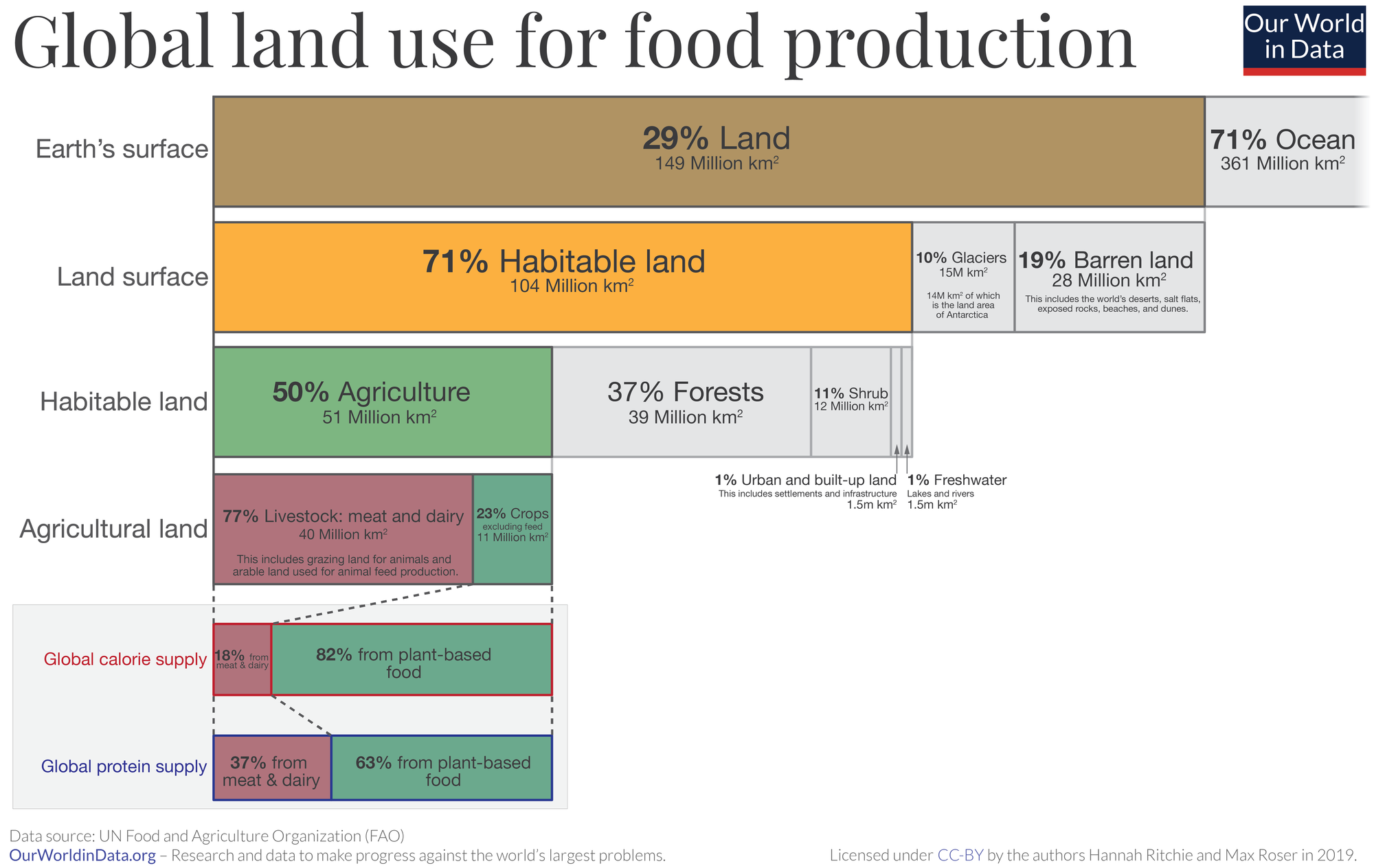
The book labels these shifts a broader, ongoing process it calls “The Great Reshuffle,” the sweeping reallocation of land that occurred across continents in the 19th and 20th centuries and that deepened structural inequities in many societies. Yet Alberts emphasizes that land reform is not inherently zero-sum, noting cases where redistributing land has produced broader social and economic gains.
In highlighting Peru, the author points to a deregulatory and redistributive sequence beginning in 1968, when large landholders’ estates were restructured in favor of farm workers. By the early 2000s, formal documentation of land ownership aided clearer property rights and was associated with faster economic development. These examples are offered to show how property and land policy can translate into measurable economic outcomes.

The author also foregrounds Korea’s experience, arguing that South Korea’s land reform laid the foundation for its later development, in contrast to the North’s collective land system. South Korea distributed small plots to cultivators on a paid basis, a model the book treats as a significant structural reform that helped fuel postwar growth and social stability.
Ultimately, the author argues that how land power is reorganized will shape a sustainable future, with implications beyond Korea for global markets, supply chains, and security. For U.S. readers, the book’s cross-border comparisons illuminate how land policy intersects with topics of American concern—from agricultural resilience and rural livelihoods to technology-enabled resource security and geopolitical competition over critical land and resources.
The work runs 420 pages and is priced at 25,500 won.