U.S. Tomahawks deplete as war costs surge in Iran conflict
Two weeks into a conflict with Iran, the United States has depleted a large share of its core weapons stocks, with reports highlighting rapid consumption of long-range, precision munitions. The Financial Times notes that U.S. forces are burning through weapons stocks that would normally take years to replenish, with Tomahawk cruise missiles singled out as particularly depleted.
The Tomahawk is produced by RTX, at a unit price of about $3.6 million. In the past five years, the U.S. military has bought roughly 370 of these missiles. According to the Center for Strategic and International Studies, the U.S. military used 168 Tomahawks in the first 100 hours after the conflict began last month.
A defense official warned that the ammunition drawdown from this war will be felt by the Navy for years to come. The scale of consumption and the price of replacement missiles raise questions about the durability of U.S. stockpiles in extended conflicts.
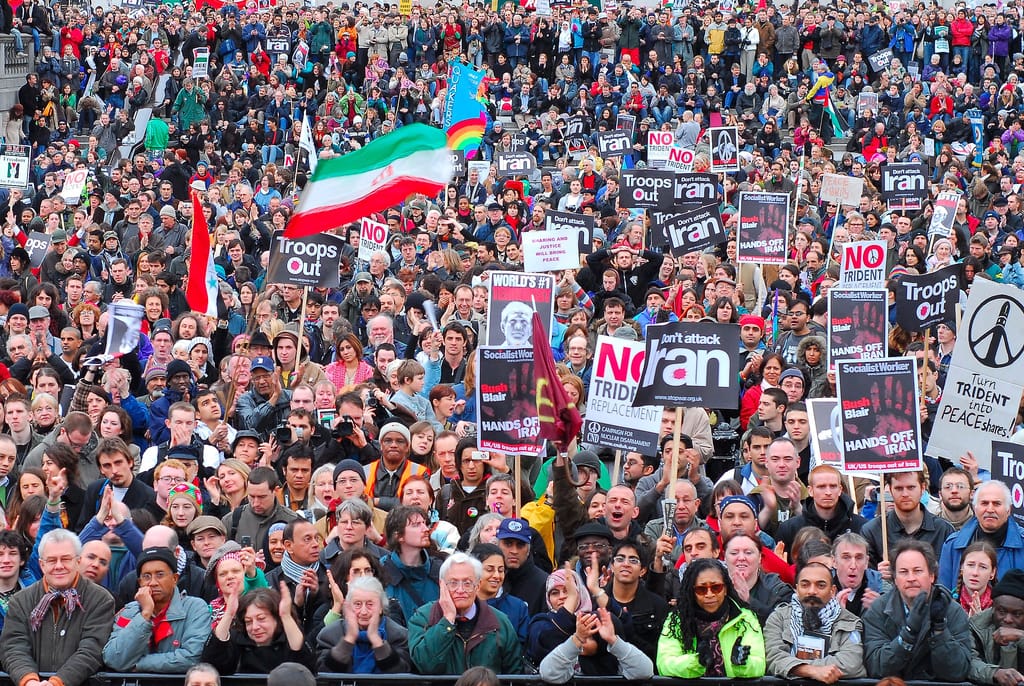
Observers say the combination of weapon depletion and rising war costs could become a political liability for former President Donald Trump, given the ongoing war and questions about responsibility and fiscal impact.
Meanwhile, Iran has blocked the Strait of Hormuz at times, a chokepoint for global oil shipments, contributing to crude prices topping $100 per barrel and rising U.S. gasoline costs. That dynamic has broad implications for U.S. energy markets and consumer prices.
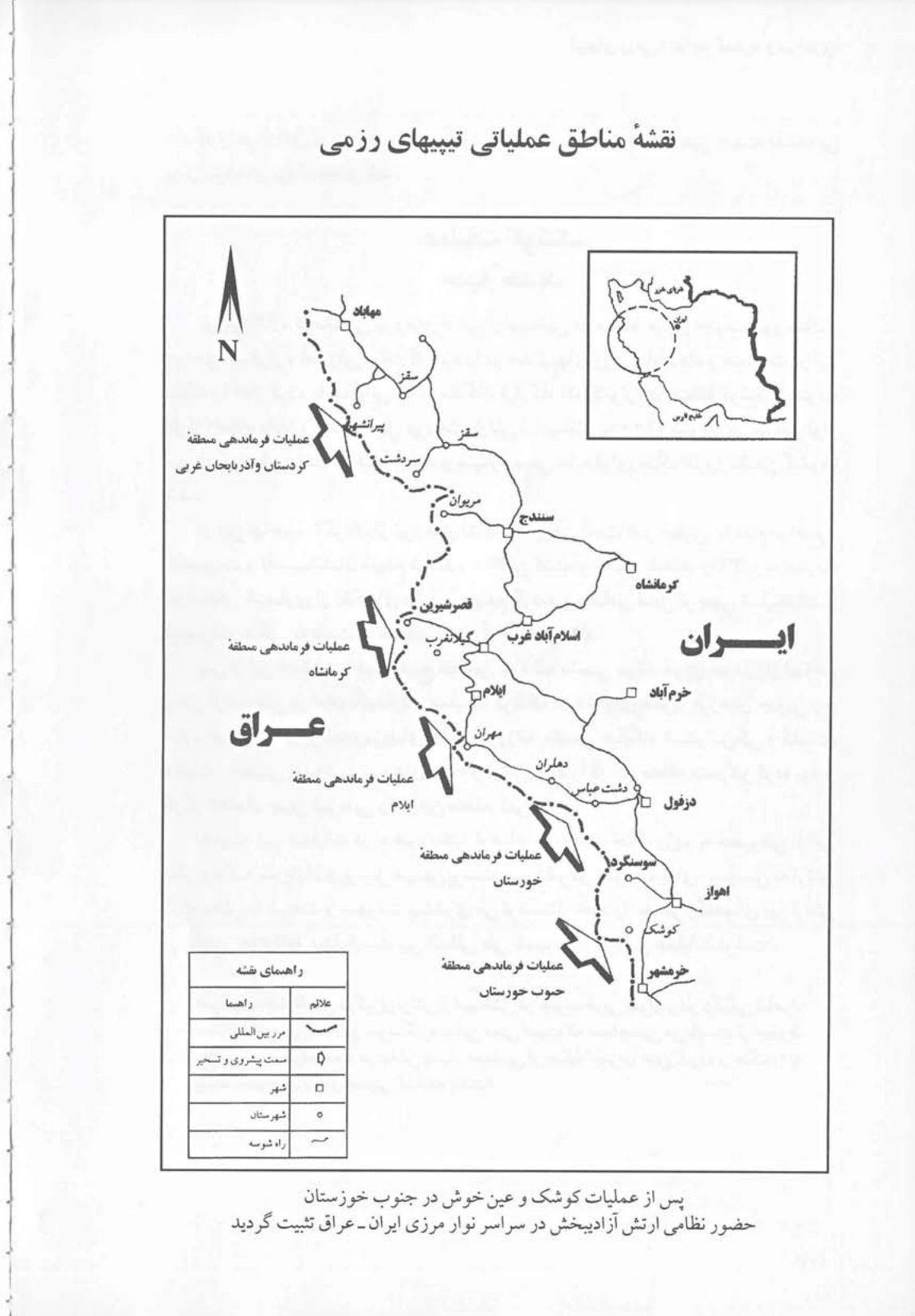
Pentagon figures cited to lawmakers show costs for the first six days of strikes exceeded $11.3 billion, largely tied to weapons use. Officials are expected to request up to $50 billion in additional military spending in the coming days.
Budget-conscious lawmakers are likely to oppose a large funding package, and White House plans to pair defense spending with other budget items could amplify opposition. Democratic lawmakers, who have criticized the war for lacking formal congressional approval, are also cautious about further appropriations.
Senator Mark Kelly, a Democrat and Air Force veteran, contrasted the high cost of advanced air defenses with the comparatively inexpensive attack drones used by Iran, noting that missiles cost millions per shot while Iran can produce drones for about $30,000, highlighting concerns about the war’s cost-effectiveness.